







As the first expedition of Alive – Adventures, Tours, and Expeditions, this pilot journey successfully fulfilled its objectives, providing a solid foundation for future explorations and research initiatives. The invaluable data collected during this expedition will contribute to scientific understanding, conservation efforts, and the promotion of responsible expedition tourism in the Niassa Concession. The pioneering spirit and dedication of the team marked the beginning of a new chapter in our ambition to discover Southern Africa’s remarkable natural wonders.
Expedition Report: Niasa Concession Ecological Research and Species Discovery
Date: May 24, 2016
Objective:
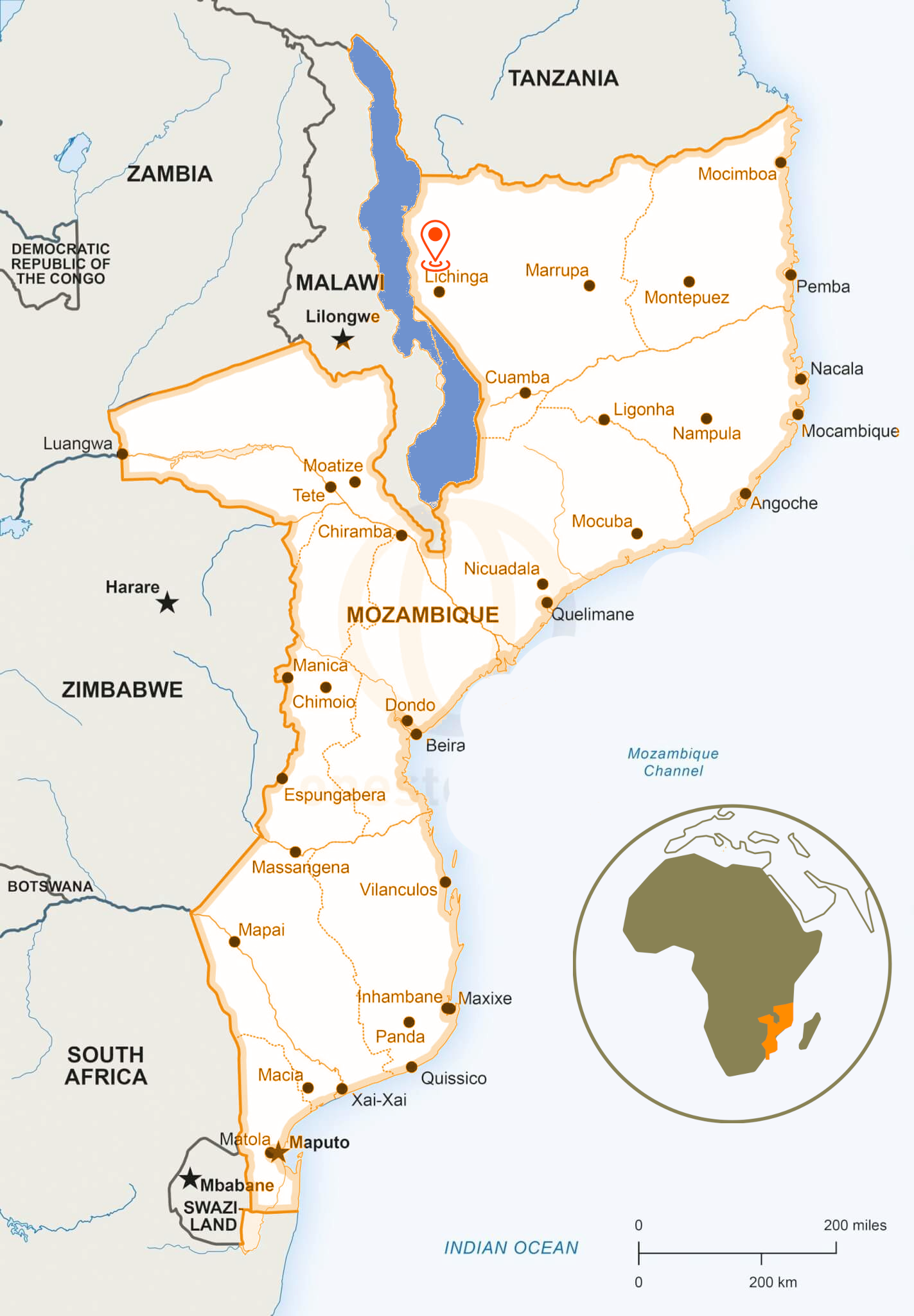
The primary objective of this expedition to the Niasa Concession in Mozambique was to gather baseline data for ecological research and to search for new species within the region. The Niasa Concession is known for its rich biodiversity and unexplored areas, making it an ideal location for scientific exploration and discovery.
Team:
Our research team consisted of six scientists specializing in various disciplines, including botany, zoology, entomology, and ecology. Each team member possessed expertise and experience in field research and species identification, enabling us to conduct a comprehensive study of the Niasa Concession.
Equipment:
We equipped ourselves with a range of scientific instruments and tools, including GPS devices, cameras, binoculars, entomological nets, specimen collection kits, and environmental sensors. These tools were crucial for accurately documenting our findings and collecting relevant data during the expedition.
Expedition Highlights:
Setting up Base Camp:
Upon arrival, we established a base camp near the heart of the Niasa Concession. This camp provided us with a central location to plan our daily excursions and served as a hub for data analysis and equipment maintenance.
Vegetation and Habitat Surveys:
We conducted extensive surveys to assess the vegetation and habitat diversity within the concession. Transects were laid out systematically across different ecosystems, ranging from savannahs to dense forests. Our team meticulously recorded vegetation types, plant species abundance, and identified potential ecological niches.
Fauna Inventory:
We employed various sampling techniques to document the diverse fauna inhabiting the Niasa Concession. Camera traps were set up strategically to capture images of elusive mammals, and acoustic monitoring devices recorded the vocalizations of avian species. Additionally, our team performed night surveys to identify nocturnal animals such as reptiles and amphibians.
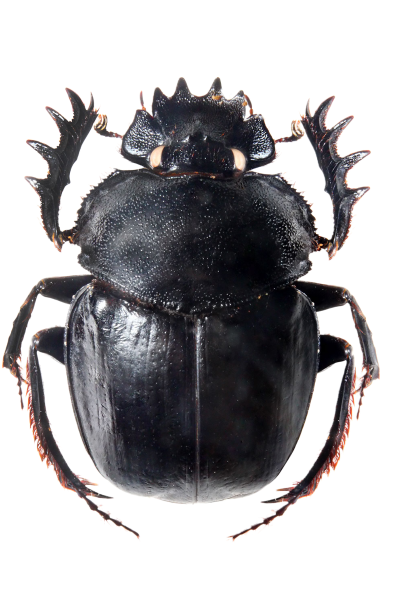
Insect Collection and Identification:
Given the incredible insect biodiversity in the region, we dedicated a significant portion of our expedition to insect collection and identification. Our entomologists captured numerous specimens using specialized nets and traps. These specimens will be analyzed further in the laboratory to identify new species and contribute to the existing understanding of insect taxonomy.
Exploration of Uncharted Areas:
One of the key aspects of our expedition was to explore previously uncharted regions within the Niasa Concession. We ventured deep into untouched forests and remote corners of the concession, discovering pristine habitats and encountering potential new species that may have evaded scientific observation.
Findings and Preliminary Observations:
Biodiversity Hotspot:
Our preliminary observations suggest that the Niasa Concession is indeed a biodiversity hotspot. We encountered a wide array of plant and animal species, including several endemic and threatened species. This finding underscores the importance of conservation efforts to protect this unique ecosystem.
Potential New Species:
Several specimens collected during our expedition exhibit characteristics that deviate from known species within their respective taxonomic groups. These findings strongly suggest the presence of new species within the Niasa Concession. Further analysis and genetic studies are necessary to confirm these exciting discoveries.
Threats and Conservation Concerns:
Despite the pristine nature of the concession, we observed signs of human encroachment and habitat degradation in certain areas. Logging activities and the expansion of agriculture pose significant threats to the integrity of this ecosystem. Urgent conservation measures and increased protection efforts are warranted to safeguard the unique biodiversity of the Niasa Concession.
Conclusion:
Our expedition to the Niasa Concession in Mozambique proved to be highly fruitful in terms of baseline data collection for ecological research and the potential discovery of new species. The biodiversity observed, combined with the identification of potential threats, emphasizes the urgent need for conservation
Sponsors:
On behalf of the entire team at Alive – Adventures, Tours, and Expeditions, we would like to express our heartfelt gratitude for your generous support and sponsorship of our inaugural expedition to the Niassa Concession in Mozambique. Your contribution was instrumental in making this remarkable journey a reality and achieving our scientific and conservation objectives.
Your belief in our vision and commitment to exploring the uncharted wilderness has played a crucial role in our success. Your sponsorship allowed us to assemble a team of experienced scientists, acquire essential research equipment, and establish a well-equipped base camp from which we conducted our fieldwork.
We are inspired by your commitment to environmental stewardship and your dedication to supporting scientific exploration and conservation initiatives.
Once again, thank you.