Namibia, situated between the Kalahari and the Atlantic Ocean, is a captivating destination renowned for its geological wonders. As one of the youngest countries in Africa, Namibia holds immense potential and promises a unique experience. Its distinctive feature is the desert habitat, which provides a breathtaking setting for a distinct safari experience. While animal populations may be smaller in this vast and rugged environment, wildlife sightings in this sparse landscape are exceptionally rewarding. This hidden gem remains largely unexplored, making it an ideal frontier realm for adventurous travelers seeking new horizons. Here, you will encounter the world’s oldest desert, adorned with rust-red dunes that define its character. The quintessential African landscapes abound with a rich diversity of wildlife, offering captivating encounters. Above it all, the vast open horizons are adorned with extraordinarily blue skies, adding to the awe-inspiring beauty of the region.
Namibia, previously known as South-West Africa, experiences a subtropical climate with cooler and drier conditions than one might expect. The country is characterized by a desert climate along its coast and in the southern regions, while the inland north-central areas and the northeast have an arid climate with a rainy season that typically occurs from November to March.
Due to its location in the Southern Hemisphere, Namibia has reversed seasons compared to Europe or North America, and the coolest period generally falls between May and August. Despite being crossed by the Tropic of Capricorn, Namibia's coastal areas are influenced by a cold current known as the Benguela Current, while the interior is dominated by a plateau. However, summer temperatures can still become hot, particularly in areas located away from the sea and at lower altitudes. The north experiences scorching days from September to March, Windhoek in the central region encounters such temperatures from November to January (given its high altitude), and the central-south areas endure hot weather from September to April or early May.
During the winter months, the plateau can become cold at night, occasionally leading to light frosts across the country. Namibia boasts breathtaking natural reserves and parks, including the renowned Etosha National Park.
The driest parts of Namibia are the coastal region, where the Namib Desert is located, and the southern region, home to the Kalahari Desert. The Kalahari receives slightly more rainfall and supports xerophyte plants such as aloe and other succulent species.
In terms of precipitation, the northeast region of Namibia is the rainiest, with an average annual rainfall ranging from 500 to 600 millimeters (20 to 23.5 inches). Winter tends to be dry throughout the country, whereas non-desert regions (north and east) experience summer rainfall from November to March, typically in the form of afternoon showers or thunderstorms. The peak of the rainy season occurs between January and March.
This information should only be deemed as a guideline. For more information regarding visas to Namibia please go to the Namibian government website.
All visitors require a passport to enter Namibia. This passport must be valid for at least 6 months beyond the intended stay and have sufficient pages for entry and exit stamps. All visitors must also have a valid return ticket.
Minimum Requirements for Tourists exempted from visa requirements to enter Namibia:
- Be in possession of a valid passport that is valid for at least 6 months beyond the intended departure date from Namibia.
- Be in possession of a valid return / onward air ticket or proof of other means of transportation enabling him to leave Namibia.
- Entry into Namibia will be permitted for a maximum period of 90 days, (extension possible on application to The Ministry of Home Affairs during stay in Namibia).
- Visitors from the following countries do not require visas for stays of up to 90 days:
Holders of ordinary passports issued by the following 55 jurisdictions can enter Namibia without a visa for a maximum stay of 3 months within one calendar year:
|
|
|
|
|
 Angola
 Armenia
 Australia
 Austria
 Azerbaijan
 Belarus
 Belgium
 Botswana
 Brazil
 Canada
 Cuba
Cuba Denmark
 Eswatini
 Finland
 France
 Germany
 Hong Kong
 Iceland
 Indonesia
 Ireland
 Italy
Italy Jamaica
 Japan
Japan Kazakhstan
 Kenya
Kenya Kyrgyzstan
 Lesotho
 Liechtenstein
 Luxembourg
 Macao
Macao Malaysia
 Malawi
 Mauritius
 Moldova
 Mozambique
 Netherlands
 New Zealand
 Norway
 Portugal
 Russia
 Seychelles
 Singapore
 South Africa
 Spain
Spain Sweden
 Switzerland
 Tajikistan
 Tanzania
 Turkmenistan
 Ukraine
 United Kingdom
 United States
 Uzbekistan
 Zambia
 Zimbabwe
Citizens of the following countries and territories can obtain a visa on arrival arriving at Hosea Kutako International Airport or Walvis Bay Airport for a maximum stay of 3 months. The cost of the visa on arrival is N$1000.
|
|
|
|
 Benin
Benin Bulgaria
 Burkina Faso
 Burundi
 Cape Verde
 Cambodia
 Cameroon
 Central African Republic
 Chad
Chad Chile
Chile Comoros
 Côte d’Ivoire
 Czech Republic
 Djibouti
 Equatorial Guinea
 Eritrea
 Gabon
Gabon Gambia
 Guinea
 Guinea-Bissau
 Hungary
 Liberia
 Madagascar
 Mexico
 Nicaragua
 Nigeria
 Poland
 Romania
 Rwanda
 São Tomé and Príncipe
 Sierra Leone
 Slovakia
 South Korea
 Thailand
 Togo
Togo Tunisia
 Turkey
 Uganda
 United Arab Emirates
 Venezuela
 Vietnam
For visitors from other countries, please check with your nearest Namibian Consulate about obtaining a visa.
Please visit the following link for visa requirements for Namibia.
The ethereal beauty and vastness of Sossusvlei and the Namib Desert, which is located within the Namib-Naukluft National Park. This remarkable desert landscape is a photographer’s paradise and a true testament to the wonders of nature. The star of the show is undoubtedly the towering sand dunes that dominate the scenery. Among them, the most famous is Dune 45, named for its location 45 kilometers from the park’s entrance. Rising over 170 meters high, this majestic dune offers a challenging but rewarding climb, especially during sunrise when the shifting colors of the desert cast a mesmerizing glow over the landscape.
Deadvlei, another iconic site within Sossusvlei, is a surreal and hauntingly beautiful pan surrounded by towering red dunes. The cracked white clay floor provides a stark contrast to the dark, petrified camel thorn trees that have stood here for centuries, preserved by the arid conditions. The striking contrast of colors creates a surreal and otherworldly atmosphere, making Deadvlei a photographer’s dream. To fully appreciate the grandeur of Sossusvlei and the Namib Desert, consider taking a scenic hot air balloon ride. Soar above the vast expanse of dunes and witness the ever-changing hues of the desert as the sun rises or sets, casting long shadows over the landscape. This unique perspective offers a breathtaking and unforgettable experience.
For those seeking more adventure, quad biking or sandboarding down the steep slopes of the dunes provides an exhilarating rush. Feel the thrill as you navigate the shifting sands, experiencing the sheer magnitude of the desert firsthand. In addition to the mesmerizing dunes, the Namib Desert also boasts other captivating attractions. The rugged beauty of Sesriem Canyon, a natural gorge carved by the Tsauchab River, offers a refreshing contrast to the expansive desert. Take a leisurely stroll along its ancient paths, marveling at the towering walls and unique rock formations.
The Namib-Naukluft National Park is also home to a diverse array of flora and fauna that have adapted to survive in this arid environment. Keep an eye out for fascinating desert-adapted wildlife such as the elusive oryx, the nimble springbok, and the charming desert-dwelling creatures like the Namaqua chameleon. Visiting Sossusvlei and the Namib Desert is an awe-inspiring experience that immerses you in the raw beauty and grandeur of nature. The interplay of light, color, and vast open spaces creates a sense of wonder and invites contemplation. It is a destination that will captivate your senses and leave an indelible imprint on your memories.
Prepare yourself for an extraordinary wildlife safari experience as you venture into the renowned Etosha National Park, a jewel in Namibia’s crown. Spanning over 22,000 square kilometers, this diverse and captivating park offers an unrivaled opportunity to witness Africa’s majestic animals in their natural habitat. The centerpiece of Etosha is the vast Etosha Pan, an enormous salt pan that stretches across the horizon. The pan’s shimmering white surface, particularly during the dry season, creates a surreal backdrop against which wildlife congregates. The scarcity of water in the surrounding area makes the waterholes along the pan’s edge crucial for both resident and migratory animals, ensuring exceptional game viewing opportunities.
Embark on game drives and guided safaris to encounter an impressive array of wildlife. The park is home to four of the Big Five, with elephants, lions, leopards, and rhinoceros making appearances throughout the year. Observe herds of elephants as they gracefully navigate the grassy plains, witness the raw power and stealth of a lion on the prowl, and catch a glimpse of the elusive and endangered black rhino. Alongside these iconic species, you’ll encounter giraffes, zebras, wildebeests, and an abundance of antelope species, showcasing the park’s rich biodiversity. Etosha’s waterholes are a focal point for both animals and visitors, providing an incredible opportunity to observe wildlife interactions up close. From the comfort of strategically positioned hides, watch as zebras, elephants, and various antelope species gather to quench their thirst, creating captivating scenes of both harmony and competition.
The park is a birdwatcher’s paradise, with over 300 recorded bird species. Keep your binoculars handy to spot vibrant bee-eaters, striking ostriches, and the regal African fish eagle. The wetland areas around the pan attract an abundance of birdlife, creating a haven for avid bird enthusiasts. To enhance your wildlife experience, consider staying at one of the park’s camps or lodges. From luxury lodges to more rustic accommodations, each offers unique opportunities to immerse yourself in the sights and sounds of the African bush. Guided night drives provide a chance to witness the nocturnal wonders of Etosha, as well as the chance to spot elusive predators on the prowl.
Etosha National Park is not just about wildlife; it is a landscape of contrasts and captivating vistas. The Mopane woodlands, grassy plains, and rocky outcrops add depth to the scenery, creating a photographer’s dream. As the sun dips below the horizon, casting its golden glow across the savannah, Etosha reveals a magical world that will leave you spellbound. A visit to Etosha National Park is an extraordinary journey into the heart of Africa’s wilderness, where nature’s spectacle unfolds before your eyes. The abundance of wildlife, breathtaking landscapes, and unique safari experiences make it an essential destination for any nature lover or adventure seeker. Prepare to be enthralled by the untamed beauty that Etosha has to offer.
Step into the realm of geological wonder as you venture to Fish River Canyon, one of Africa’s most impressive natural landmarks and the second-largest canyon in the world. Located in the southern part of Namibia, this awe-inspiring gorge is a testament to the powerful forces of nature that have shaped the landscape over millions of years. The canyon stretches for approximately 160 kilometers, reaches a depth of over 550 meters, and is up to 27 kilometers wide at its broadest point. It was formed by the erosive power of the Fish River, which has carved its way through the rocks to create this magnificent chasm. The layers of sedimentary rock reveal the history of the Earth, with each stratum offering a glimpse into the canyon’s ancient past.
One of the best ways to experience the grandeur of Fish River Canyon is by embarking on the Fish River Canyon Hiking Trail, a multi-day trek that takes you deep into the heart of the gorge. This challenging 85-kilometer hike typically takes around 4-5 days to complete, and it offers an unforgettable adventure for seasoned hikers and nature enthusiasts alike. The trail takes you through diverse terrain, from rocky plateaus to sandy riverbeds, and rewards you with breathtaking viewpoints overlooking the vastness of the canyon. For those who prefer a less strenuous experience, there are numerous viewpoints along the canyon’s rim that offer stunning panoramas of the canyon’s meandering path and the river below. Sunrise and sunset are particularly magical times to visit, as the changing light creates a mesmerizing play of shadows and colors across the rugged landscape.
Besides its striking geological features, Fish River Canyon is also a sanctuary for unique flora and fauna that have adapted to the harsh desert environment. The canyon’s vegetation includes the peculiar Quiver Tree and the ancient Welwitschia mirabilis, a living fossil that can live for over 1,000 years. Keep an eye out for the elusive mountain zebra, klipspringer, and other desert-adapted wildlife as you explore the area. Within the canyon, you might also come across natural hot springs, where you can take a soothing dip to rejuvenate your body after a day of exploration. These natural pools offer a serene and contrasting experience amidst the arid surroundings.
To ensure a safe and enjoyable visit to Fish River Canyon, it’s essential to come prepared with sufficient water, sun protection, and sturdy hiking gear, especially if you plan to venture into the canyon on foot. Additionally, obtaining permits and following park regulations are essential to preserving the delicate ecosystem of this extraordinary natural wonder. Fish River Canyon is a place of breathtaking beauty, and standing at its edge or hiking through its depths will make you feel small in comparison to the vastness of the Earth’s history. A visit to this awe-inspiring landmark will leave you with a profound appreciation for the marvels of nature and the forces that have shaped our planet over millennia.
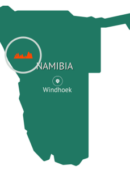
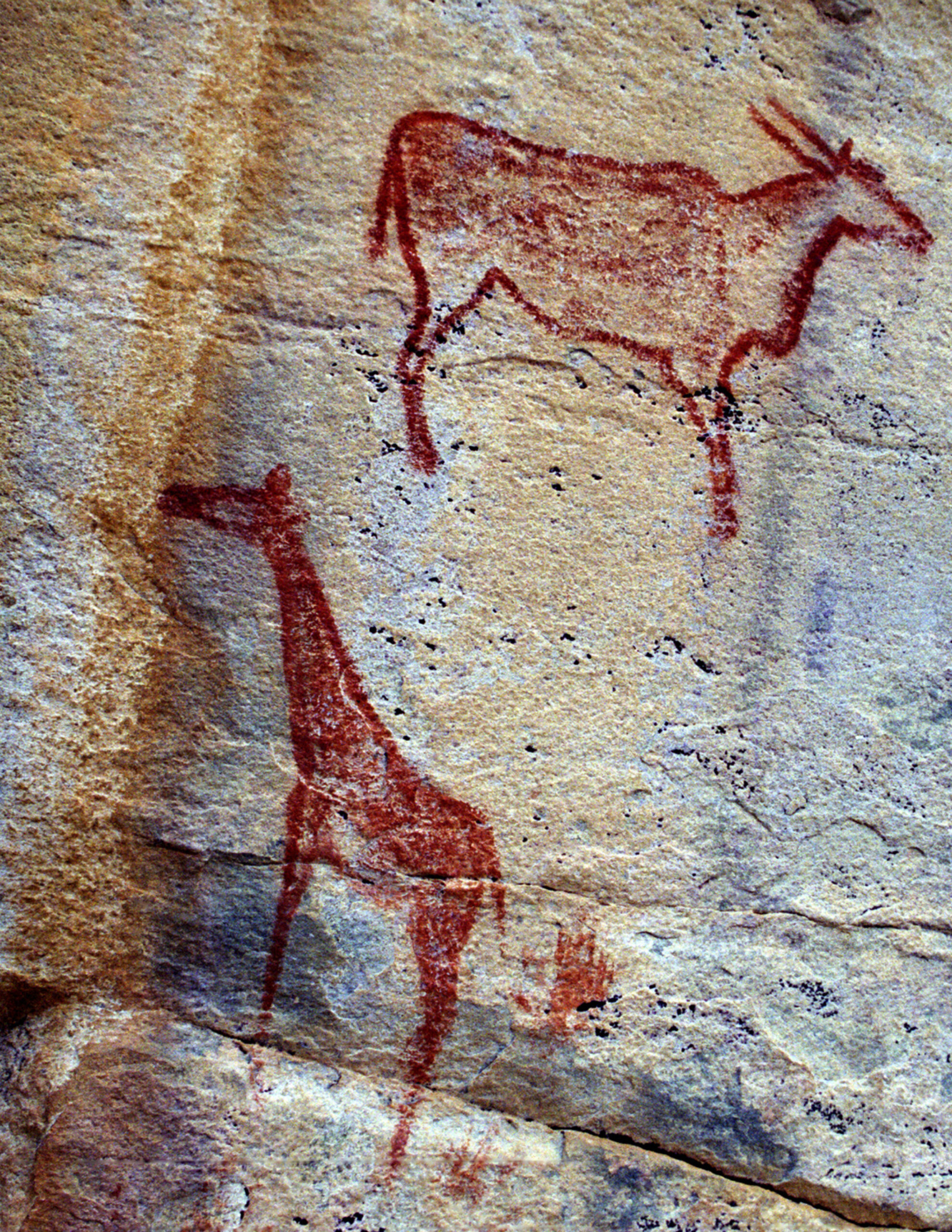
Venture into the ancient landscape of Twyfelfontein and Damaraland, a UNESCO World Heritage Site that showcases the rich cultural and geological heritage of Namibia. This remarkable area, located in the northwestern part of the country, offers a captivating blend of prehistoric rock art, dramatic rock formations, and a unique array of desert-adapted wildlife. Twyfelfontein is renowned for its extensive collection of rock engravings, which date back thousands of years and provide a fascinating glimpse into the lives and beliefs of the region’s early inhabitants. Explore the open-air gallery, where over 2,500 engravings have been discovered, depicting animals, human figures, and intricate geometric patterns. Guided tours offer insight into the cultural significance of these ancient artworks, highlighting the spiritual and historical importance of the site.
The geological formations of Twyfelfontein are equally impressive. The Organ Pipes, a series of towering basalt columns, create a symphony of shapes and textures, while the Burnt Mountain showcases striking hues of orange, red, and purple, giving the impression of a landscape set ablaze. The Petrified Forest, featuring fossilized trees that have transformed into stone over millions of years, is yet another intriguing natural wonder to explore.
Damaraland, the wider region surrounding Twyfelfontein, is home to a unique ecosystem that has adapted to the arid conditions. This rugged and vast wilderness offers the opportunity to encounter desert-adapted elephants, one of Namibia’s most iconic wildlife species. These majestic creatures have learned to survive in this harsh environment, navigating vast distances in search of water and food. Witnessing these elephants against the backdrop of Damaraland’s rocky plains is a truly unforgettable experience. The region is also home to other desert-adapted wildlife, including the endangered black rhino, giraffes, zebras, and various antelope species. Guided nature drives provide a chance to track these remarkable animals and learn about their remarkable adaptations.
Damaraland’s scenic beauty is best appreciated through guided hikes or 4×4 excursions. Marvel at the massive granite boulders of Brandberg Mountain, Namibia’s highest peak, or take in the panoramic vistas from viewpoints overlooking the valleys and plains. The vast open landscapes, punctuated by unique rock formations and ancient valleys, create a sense of tranquility and solitude, allowing visitors to connect with nature on a profound level. To immerse yourself in the local culture, consider visiting a traditional Himba village, where you can learn about the customs and way of life of this indigenous community. Gain insights into their rich traditions, intricate hairstyles, and distinctive attire, and engage in meaningful cultural exchanges that foster understanding and appreciation.
Twyfelfontein and Damaraland offer a unique blend of cultural and natural wonders, providing a glimpse into the ancient past and the resilience of life in the desert. Exploring the rock art, admiring the geological formations, and encountering desert-adapted wildlife all contribute to a deeper understanding of Namibia’s diverse landscapes and the deep-rooted connections between its people and the land.
As you venture into this remote and captivating region, be sure to respect and preserve its delicate ecosystem and cultural heritage, ensuring that future generations can also appreciate its extraordinary beauty and significance.
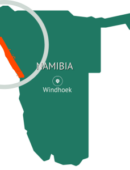
Prepare to be captivated by the hauntingly beautiful and mysterious Skeleton Coast, a stretch of coastline along the Atlantic Ocean in northern Namibia. Named for the numerous shipwrecks that dot its shores, this remote and desolate region offers a unique and mesmerizing landscape that combines rugged beauty with a sense of melancholic allure. The Skeleton Coast National Park encompasses a vast area of sand dunes, gravel plains, and rocky shores. It is a haven for marine life, with colonies of Cape fur seals congregating along the beaches and providing a spectacle of playful antics and cacophonous barking. The coastline is also home to a variety of bird species, including flamingos, pelicans, and cormorants, which add splashes of color to the stark scenery.
Exploring the Skeleton Coast is an adventure in itself. Guided tours and self-drive expeditions allow you to traverse the sandy tracks and discover the secrets of this enigmatic landscape. Marvel at the massive dunes that seem to stretch endlessly to the horizon, and witness the raw power of the Atlantic Ocean as it crashes against the rugged cliffs. One of the highlights of the Skeleton Coast is the opportunity to visit the iconic shipwrecks that have become a symbol of the region’s maritime history. These ghostly remnants, slowly corroded by the salt-laden air, stand as silent witnesses to the perils faced by sailors navigating these treacherous waters. Each shipwreck tells its own story, sparking the imagination and evoking a sense of wonder and curiosity.
The Skeleton Coast is a place where nature and wilderness reign supreme, offering a stark reminder of the forces of nature and the fragility of human existence. It is a destination that appeals to those seeking solitude, adventure, and a deeper connection with the untamed beauty of the natural world.
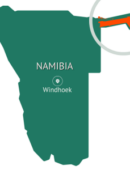
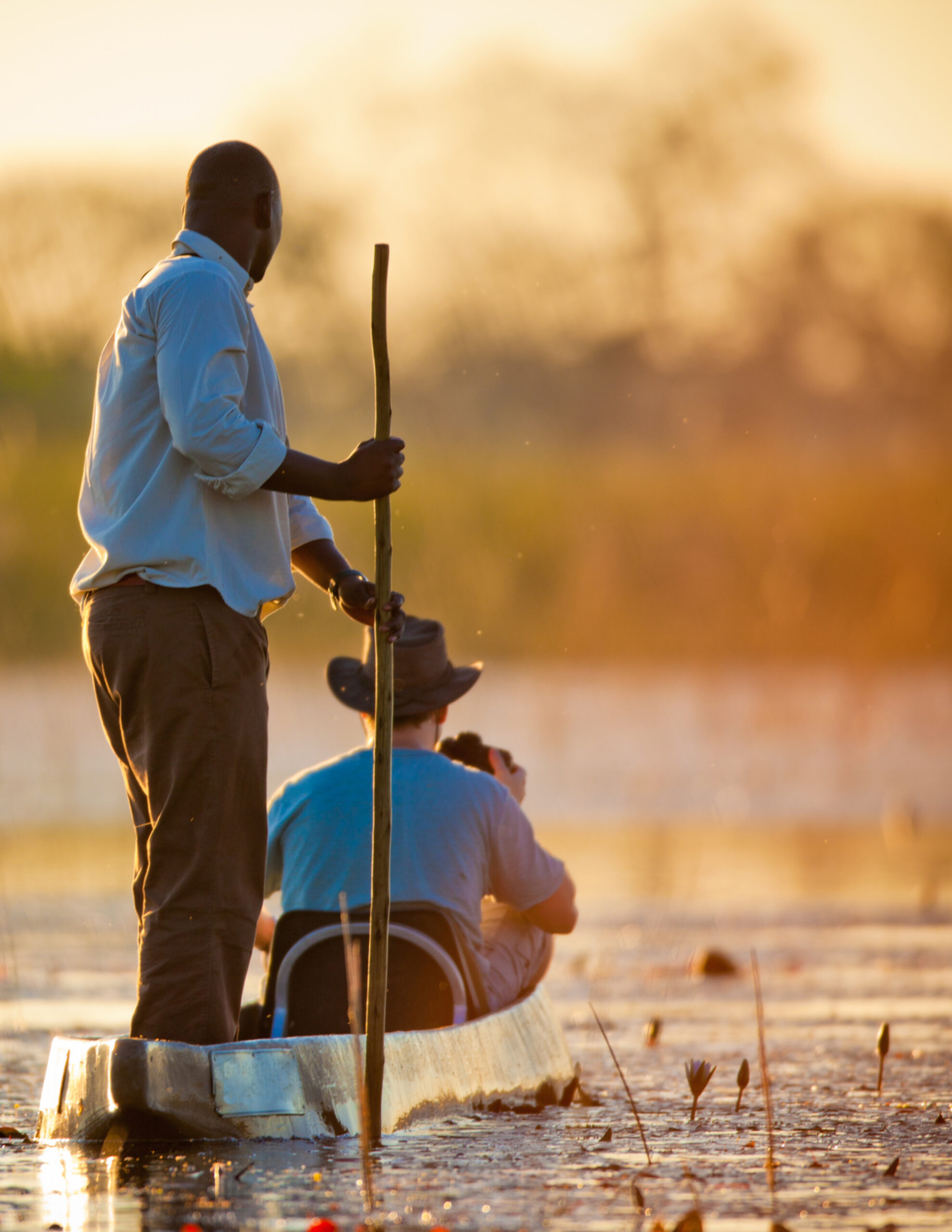
Located in the northeastern corner of Namibia, the Caprivi Strip is a narrow strip of land that extends eastwards, bordered by Angola, Zambia, and Botswana. This unique region stands out from the rest of Namibia due to its lush vegetation, perennial rivers, and diverse wildlife, making it a hidden gem for nature enthusiasts. The strip is crisscrossed by the Kwando, Linyanti, and Zambezi Rivers, which provide a lifeline to the surrounding landscapes and support a remarkable concentration of wildlife. Embark on boat safaris or guided canoe trips along the rivers to witness the abundance of hippos, crocodiles, and birdlife that thrives in this wetland ecosystem. Keep your binoculars ready to spot elephants, buffalo, and a variety of antelope species that come to quench their thirst on the riverbanks.
Bwabwata National Park, encompassing a significant portion of the Caprivi Strip, offers a pristine wilderness teeming with wildlife. Explore the park on guided game drives or walking safaris, accompanied by experienced guides who share their knowledge about the flora and fauna that call this region home. The park is renowned for its large herds of elephants, often spotted roaming through the dense woodlands and marshy areas. For a cultural experience, visit the traditional villages of the local communities that inhabit the Caprivi Strip. Engage with the local people, learn about their customs and traditions, and gain insights into their way of life. Traditional dances, crafts, and storytelling sessions provide an opportunity to immerse yourself in the rich cultural heritage of this diverse region.
The Caprivi Strip is also a gateway to some of Southern Africa’s most renowned natural wonders, such as the Okavango Delta in Botswana and Victoria Falls on the border of Zambia and Zimbabwe. Consider extending your journey to explore these iconic destinations and witness the grandeur of the Okavango’s waterways or the thundering cascades of Victoria Falls. With its unique blend of lush landscapes, abundant wildlife, and vibrant cultural heritage, the Caprivi Strip offers a refreshing contrast to the arid regions of Namibia. Discover the untamed beauty of this remote corner of the country, where the rhythms of nature and the traditions of local communities create an unforgettable experience.
Namibia, a land of vast deserts, dramatic landscapes, and abundant wildlife, is also home to several vibrant towns and cities that offer a glimpse into the country’s rich cultural heritage, history, and modern life. From the bustling capital city of Windhoek to the coastal charm of Swakopmund, each destination has its own unique character and attractions. Let’s embark on a journey to discover some of the main towns and cities of Namibia.
Windhoek:
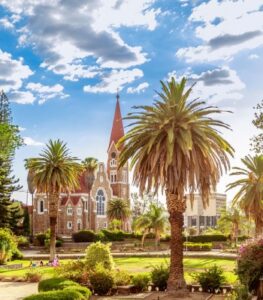
As the capital and largest city of Namibia, Windhoek serves as the country’s economic, cultural, and political hub. This cosmopolitan city showcases a blend of German colonial architecture and modern African influences, creating a captivating fusion of old and new. Stroll through the city center and admire iconic landmarks such as the Christuskirche, an impressive Lutheran church, and the Tintenpalast, the seat of Namibia’s parliament.
Windhoek offers a variety of attractions, including museums, art galleries, and markets. Visit the Namibia National Museum to learn about the country’s history, diverse cultures, and natural heritage. The Craft Center is a treasure trove of Namibian handicrafts, where you can find beautifully crafted souvenirs and artworks. To experience the local flavors, explore the city’s vibrant food scene, featuring a fusion of Namibian and international cuisines.
Swakopmund:
Escape the desert’s embrace and make your way to the charming coastal town of Swakopmund, a haven where German colonial architecture meets the picturesque Atlantic Ocean. With its unique blend of natural beauty, adventure activities, and cultural attractions, Swakopmund offers a delightful retreat on Namibia’s coast.
Swakopmund’s rich history is evident in its well-preserved colonial buildings, which add a distinctive charm to the town’s streets. Take a leisurely stroll along the palm-lined avenues, admiring the architecture and soaking in the relaxed atmosphere. The blend of German and Namibian influences is seen not only in the buildings but also in the cuisine, with many local restaurants serving up German-inspired dishes and freshly caught seafood.
Adventure enthusiasts will find Swakopmund to be a paradise. The town serves as a gateway to thrilling activities set against the backdrop of the stunning coastline and vast dunes. For an adrenaline rush, try sandboarding down the towering dunes that stretch toward the ocean. Strap on a board, slide down the slopes and experience the exhilaration of gliding over the shifting sands.
Another popular activity is quad biking, where you can explore the dunes and the rugged desert terrain on an all-terrain vehicle. Guided tours take you through the ever-changing landscapes, offering a thrilling adventure and the opportunity to witness the unique flora and fauna that have adapted to this harsh environment.
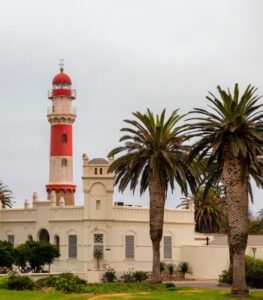 For a bird’s-eye view of Swakopmund and its surroundings, consider taking a scenic flight or a thrilling skydiving experience. Soar above the coastline, marvel at the expansive desert vistas, and feel the rush of adrenaline as you descend from the skies.
If you prefer a more relaxed pace, Swakopmund offers plenty of leisurely activities. Enjoy a leisurely walk along the beach, with the refreshing Atlantic Ocean breeze on your face. Alternatively, visit the Swakopmund Museum, which provides insights into the town’s history, geology, and culture. The National Marine Aquarium showcases the region’s marine life and offers interactive exhibits that educate visitors about the delicate coastal ecosystem.
As the sun sets, Swakopmund comes alive with its vibrant nightlife. Sample the local beer or enjoy a delicious meal at one of the town’s many restaurants, offering a variety of cuisines ranging from seafood to traditional Namibian dishes. Don’t miss the opportunity to indulge in fresh oysters, a specialty of the area.
Swakopmund also serves as a base for exploring the nearby Skeleton Coast, renowned for its haunting shipwrecks, towering dunes, and desolate beauty. Guided tours provide the opportunity to delve into the mysteries of this rugged coastline, where the Atlantic Ocean meets the harsh desert landscape.
Swakopmund’s unique blend of natural beauty, adventure activities, and cultural heritage makes it a must-visit destination in Namibia. Whether you seek thrilling experiences in the desert, a peaceful retreat by the ocean, or a taste of Namibia’s colonial past, Swakopmund offers a captivating blend of attractions that cater to a variety of interests.
Walvis Bay:
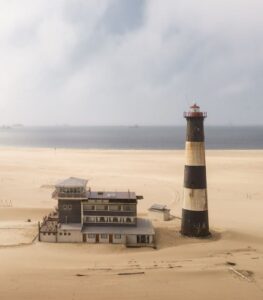
Located a short distance south of Swakopmund, Walvis Bay is a coastal town renowned for its natural beauty and diverse marine life. Its sheltered lagoon is a haven for flamingos, pelicans, and other bird species, offering excellent birdwatching opportunities. Take a boat tour to explore the lagoon and witness dolphins playing in the waves.
Walvis Bay is also a gateway to adventure and exploration. Join a kayaking or stand-up paddleboarding excursion to navigate the tranquil waters and get up close to playful seals. For a unique experience, go on a thrilling 4×4 excursion to Sandwich Harbour, a remote and untouched area where the desert meets the ocean in a breathtaking display of contrasting landscapes.
Lüderitz:
Tucked away on Namibia’s southern coast, Lüderitz is a picturesque town with a rich history and captivating architecture. Founded by German colonists, the town’s colorful buildings and charming waterfront evoke a nostalgic atmosphere. Visit the Lüderitz Museum to learn about the town’s past and the diamond mining industry that played a significant role in its development.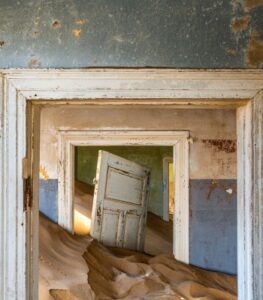
Lüderitz is also known for its natural attractions, including the famous Kolmanskop ghost town. Once a thriving diamond mining town, Kolmanskop is now engulfed by the encroaching desert sands, creating a surreal and haunting landscape. Take a guided tour to explore the abandoned buildings and gain insight into the lives of the diamond miners who once inhabited the area.
These are just a few of the main towns and cities that await exploration in Namibia. Each destination offers its own unique blend of history, culture, and natural wonders, allowing visitors to experience the diversity and charm of this captivating country. Whether you’re wandering through the streets of Windhoek, indulging in coastal delights in Swakopmund, or embarking on a safari in Etosha, Namibia’s towns and cities offer a warm welcome and a wealth of memorable experiences.
Geology
Namibia, a geological marvel, unfolds its rich tapestry of rock formations, revealing a chronicle that spans from the Paleoproterozoic to the Cenozoic era. Approximately 46% of the country's expanse showcases bedrock exposures, while the rest lies veiled beneath the youthful sediments of the Kalahari and Namib Deserts.
The northern dominion of Namibia is characterised by the metasediments of the Neoproterozoic Damara Belt, a geological masterpiece, while the south is bedecked with the undisturbed sediments of the Cambrian Nama Group. Noteworthy inliers of the Paleoproterozoic Epupa Metamorphic Complex grace the extreme northwest, embodying rocks dating back to around 2,100 million years. The Rehoboth-Sinclair Complex in the southwest narrates tales of late Paleoproterozoic and Mesoproterozoic epochs, linked to the Kalahari Craton.
As we traverse the geological narrative, the Mesoproterozoic Namaqua Metamorphic Complex takes centre stage in the south and southwest, a composition of metasediments originating from the Congo and Kalahari Cratons. Intricate dance partners in this geological ballet include granitic and metabasic intrusions.
In the central and northern realms, the Neoproterozoic Damara Orogenic Belt unfolds, a canvas painted with high-grade metamorphics and frequent granitic intrusions. Mineralization, a product of intracontinental rifting, spreads its charm across this belt, leaving a legacy in copper and graphite.
The story takes a dramatic turn with the onset of the Karoo episode, where the Cambrian silence is broken by glacial sediments of the Dwyka Group in the northwest's Kaokoveld. Continental sediments of the Omingonde Formation in central Namibia follow suit, paving the way for the Permo-Triassic Karoo Sequence. The breakup of Gondwana, etched in the annals of time, is marked by dolerite sills, dyke swarms, and basaltic volcanism, fostering the birth of the South Atlantic Ocean.
The narrative gracefully concludes with the Cenozoic to recent deposits of the Kalahari Sequence, casting a veil over Namibia's geological tableau. Bedrock exposures stand tall, comprising highly deformed gneisses, amphibolites, and an array of metasediments, a testament to the enduring legacy of a land sculpted by time. Namibia, a geological treasure trove, invites exploration into its rock-strewn history, where every layer whispers stories of epochs long past.
Fauna & Flora
Botswana, located in Southern Africa, encompasses a variety of biomes and ecological regions, each characterized by unique environmental conditions, flora, and fauna. Here's an overview of the main biomes found in Botswana, along with the ecological regions within each biome and the common flora and fauna you can expect to find:
Kalahari Desert Biome:
The Kalahari Desert dominates a large portion of Botswana. It is a semi-arid desert characterized by sandy soils, sparse vegetation, and extreme temperatures. Within this biome, several ecological regions can be identified:
a. Kalahari Xeric Savannah: This region features dry savannah grasslands and scattered trees. Common flora includes Vachellia erioloba (Camelthorn) and Stipagrostis grasses. Fauna includes large mammals like springbok, gemsbok, and predators like lions and cheetahs.
b. Kalahari Semi-desert: This region has sandy soils and supports adapted flora such as Acacia trees, Stipagrostis grasses, and succulents like Hoodia gordonii. Fauna includes animals like meerkats, desert-adapted elephants, and antelopes.
Okavango Delta and Savanna Biome:
The Okavango Delta is a unique inland delta that creates a lush oasis within the otherwise arid region. It is surrounded by diverse savanna landscapes. Ecological regions within this biome include:
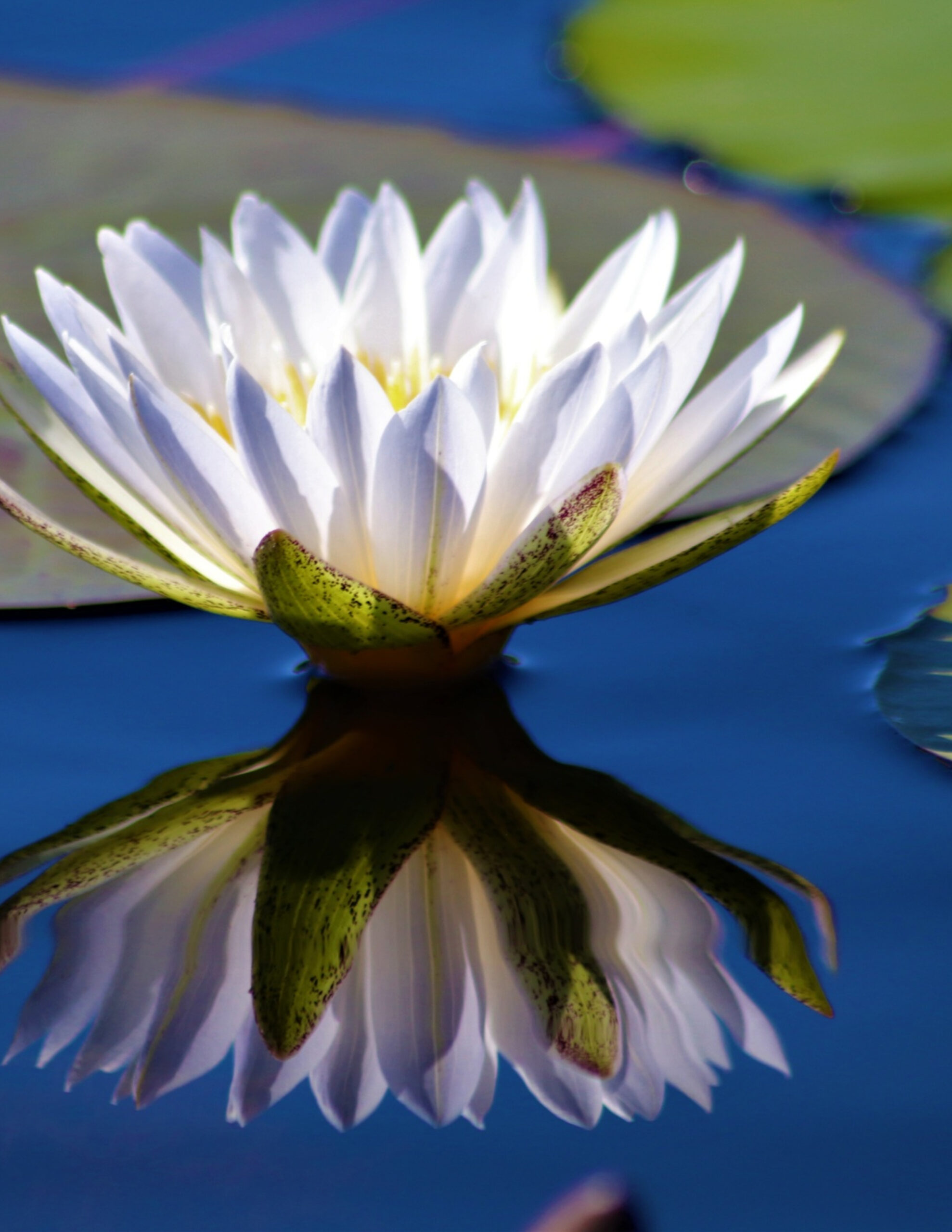
a. Okavango Delta: This region consists of permanent swamps, channels, and floodplains. It supports a rich variety of aquatic plants, papyrus reeds, and water lilies. Fauna includes African elephants, hippos, crocodiles, and a wide range of bird species.
b. Linyanti and Kwando Floodplains: These regions experience seasonal flooding and support reed beds, grasses, and woodlands. Common flora includes Phragmites reeds, Xerophyta succulents, and Baikiaea trees. Fauna includes large herds of elephants, buffalos, predators like lions, and an abundance of birdlife.
Chobe National Park and Zambezi Floodplain Biome:
Located in northern Botswana, this biome encompasses the Chobe National Park and the Zambezi floodplains. Ecological regions within this biome include:
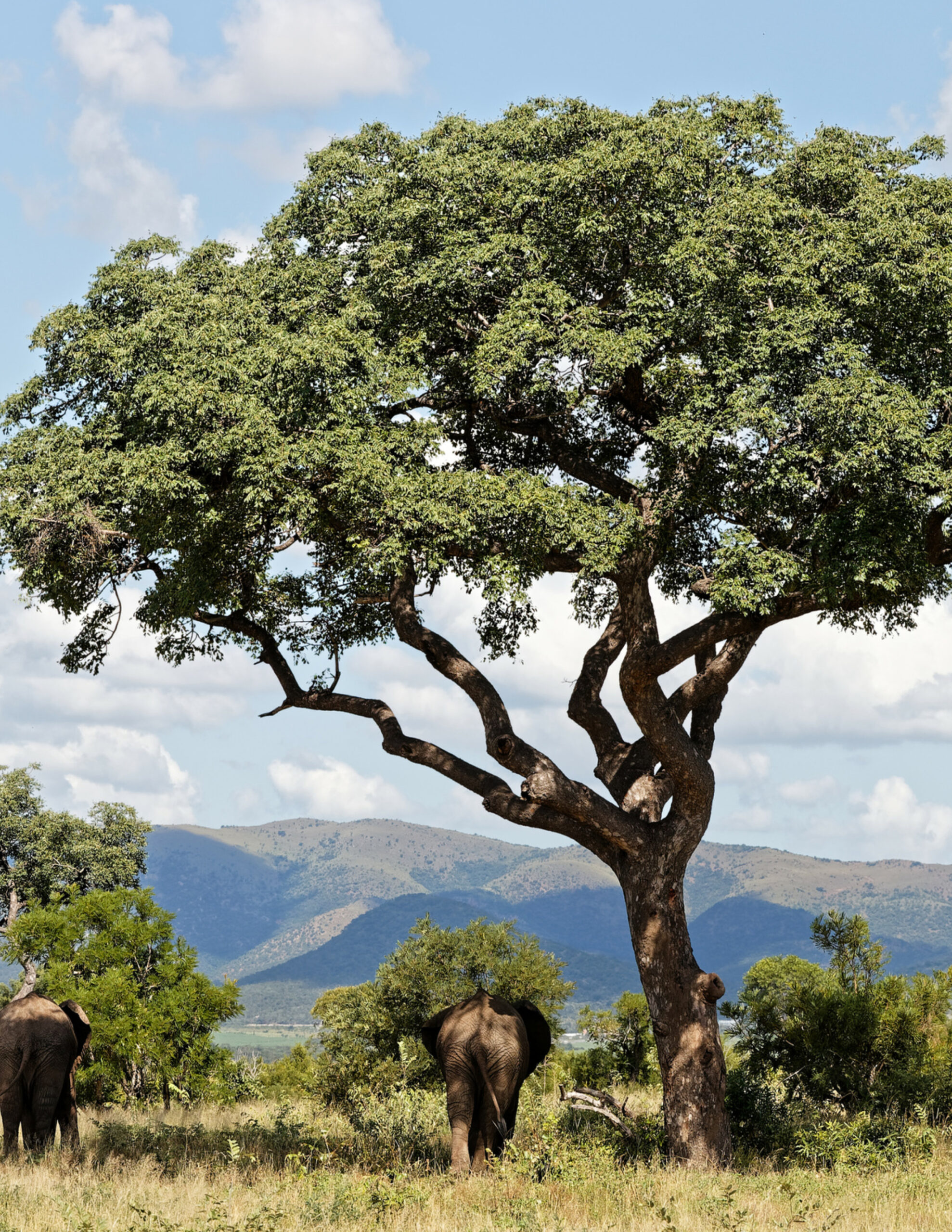
a. Chobe Riverfront: This region features riverine woodlands, floodplains, and grasslands. Common flora includes Baikiaea trees, Combretum species, and water-loving plants like Phragmites. Fauna includes large herds of elephants, buffalos, antelopes, and diverse bird species.
b. Zambezi Floodplain: This region experiences seasonal flooding and supports grasses, sedges, and water-adapted trees. Common flora includes Baikiaea trees, Mopane trees, and Cyperus sedges. Fauna includes hippos, crocodiles, elephants, and an array of birdlife.
Makgadikgadi Pans and Salt Flats Biome:
The Makgadikgadi Pans are large salt flats in northeastern Botswana. This unique biome encompasses:
a. Makgadikgadi Salt Pans: These salt pans are characterized by dry, barren landscapes, with halophytic plants adapted to saline conditions. Common flora includes Suaeda species and grasses like Cenchrus ciliaris. Fauna includes meerkats, migratory zebra, and wildebeest herds, and various bird species.
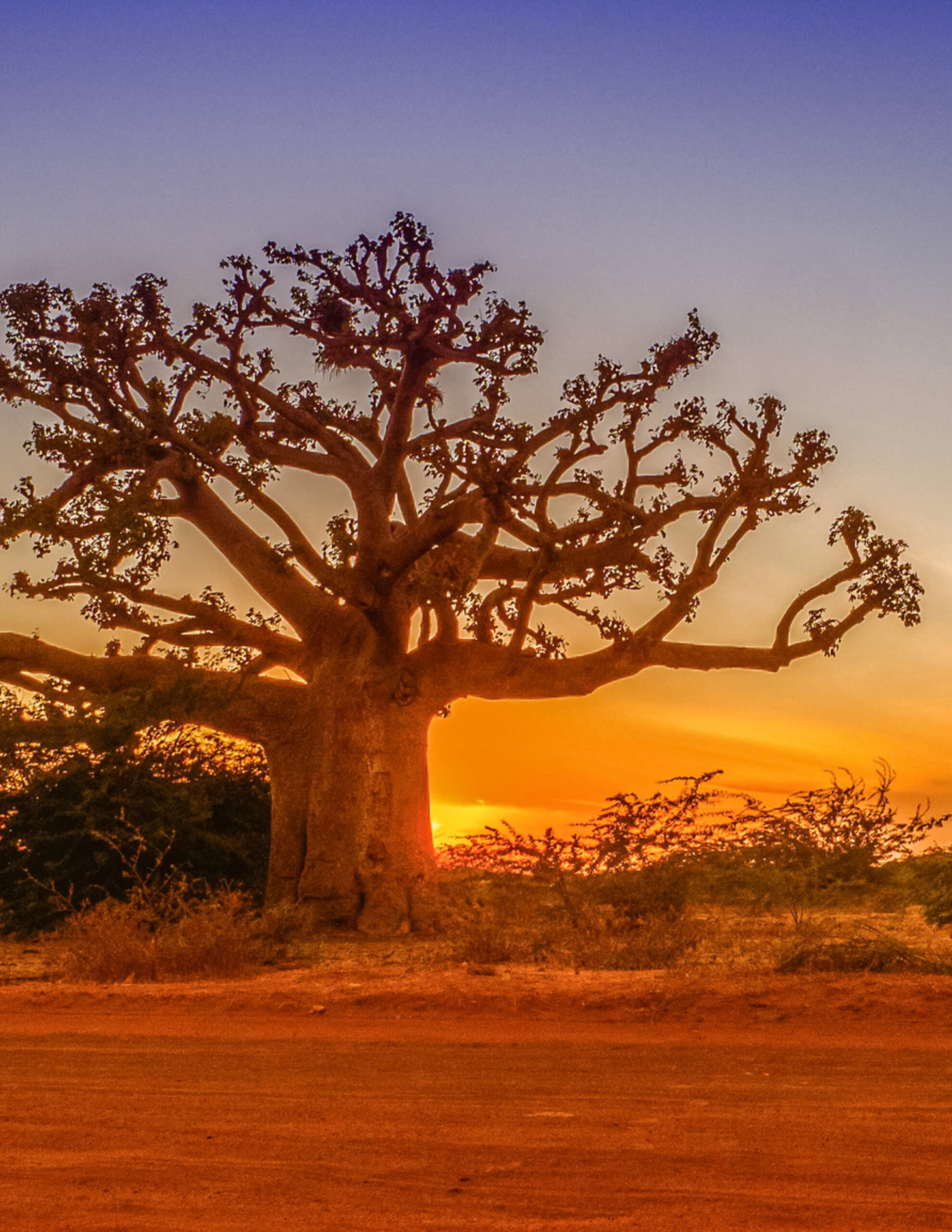
b. Nxai Pan National Park: This region has open grasslands, acacia woodlands, and the iconic Baines' Baobabs. Flora includes Baobab trees, Vachellia erioloba (Camel Thorn), and grasses like Themeda triandra. Fauna includes zebra herds, wildebeests, lions, and numerous bird species.
These are some of the main biomes and ecological regions found in Botswana, along with their characteristic flora and fauna. It's important to note that the specific composition of flora and fauna can vary within each region, and some species may be migratory or transient depending on the seasonal availability of water and food resources.
A Brief History of Botswana
The history of Botswana revolves around the Kalahari region, situated between the more densely populated savanna in the north and east, and the sparsely populated steppe in the south and west. While Botswana played a peripheral role in Southern Africa for most of the 20th century, there were times when it served as a central area for historical development.
Ancient Origins and Pre-Colonial Period:
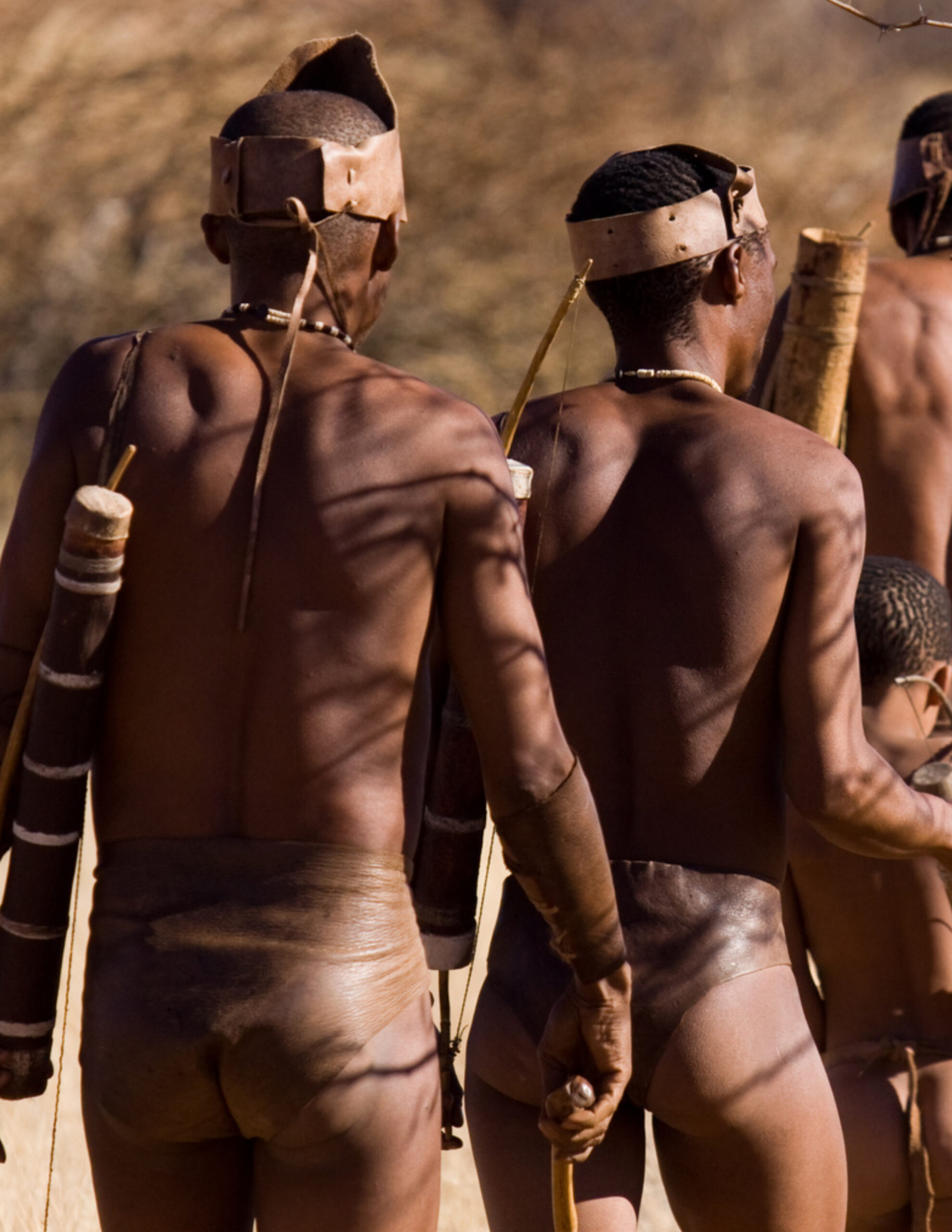
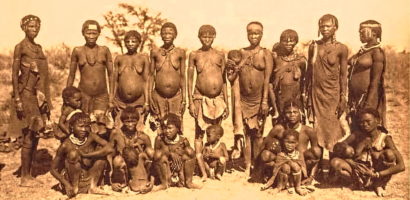
Botswana's ancient origins can be traced back thousands of years, with evidence of human presence in the region dating as far back as the Stone Age. Archaeological findings, including rock paintings and stone tools, indicate that hunter-gatherer communities inhabited the area, relying on hunting, gathering, and fishing for their subsistence.
Around the 4th century AD, Bantu-speaking groups began migrating into the region, bringing with them new technologies, agricultural practices, and social structures. These Bantu communities established settled farming communities, cultivating crops such as sorghum, millet, and beans. This transition from a nomadic lifestyle to sedentary agriculture laid the foundation for the development of more complex social systems. By the 15th century, the Tswana people emerged as one of the most influential groups in the region. The Tswana were composed of various clans and chiefdoms, each with its own distinct customs, dialects, and political organizations. Prominent Tswana chiefdoms included the Bangwato, Bakwena, Bangwaketse, and Barolong, among others. These chiefdoms were characterized by hierarchical structures, with a paramount chief or kgosi at the top, assisted by a council of elders and sub-chiefs.
Trade played a crucial role in the pre-colonial period of Botswana's history. The Tswana engaged in long-distance trade networks, exchanging goods such as ivory, salt, iron, and livestock with neighboring societies. Trade routes stretched across the region, linking Botswana to other parts of Southern Africa, including present-day Zimbabwe and South Africa. Religion and spiritual beliefs held a significant place in pre-colonial Botswana. Ancestral worship and animism formed the basis of the Tswana's spiritual practices. They believed in a supreme creator, known as Modimo, and the spirits of their ancestors played a vital role in their daily lives. Rituals and ceremonies were conducted to honor and communicate with the ancestors, seeking their guidance and blessings.
Conflict and warfare were also prevalent during the pre-colonial period. Disputes over land, resources, and political control sometimes led to inter-tribal conflicts. The Tswana chiefdoms often had complex alliances and rivalries, with occasional warfare and territorial disputes occurring among them. The Tswana people had a rich oral tradition, passing down their history, customs, and values through storytelling, proverbs, and praise poetry. Griots, known as bards or praise singers, played a crucial role in preserving and transmitting this cultural heritage from one generation to the next.
Overall, the pre-colonial period in Botswana's history was characterized by the development of agricultural societies, intricate social structures, extensive trade networks, and a vibrant cultural heritage. These foundations would shape the country's future as it navigated the challenges and transformations of colonialism and independence.
Colonial Era and Bechuanaland Protectorate:
The colonial era in Botswana's history began in the 19th century with the arrival of European explorers and missionaries in the region. The British influence gradually increased, shaping the political and economic landscape of what would become Botswana. One of the key figures during this period was David Livingstone, a Scottish explorer and missionary. Livingstone's expeditions in the mid-19th century brought international attention to the region, highlighting its geographical features and resources. Livingstone's reports on the potential for trade and missionary work in the area sparked further European interest.
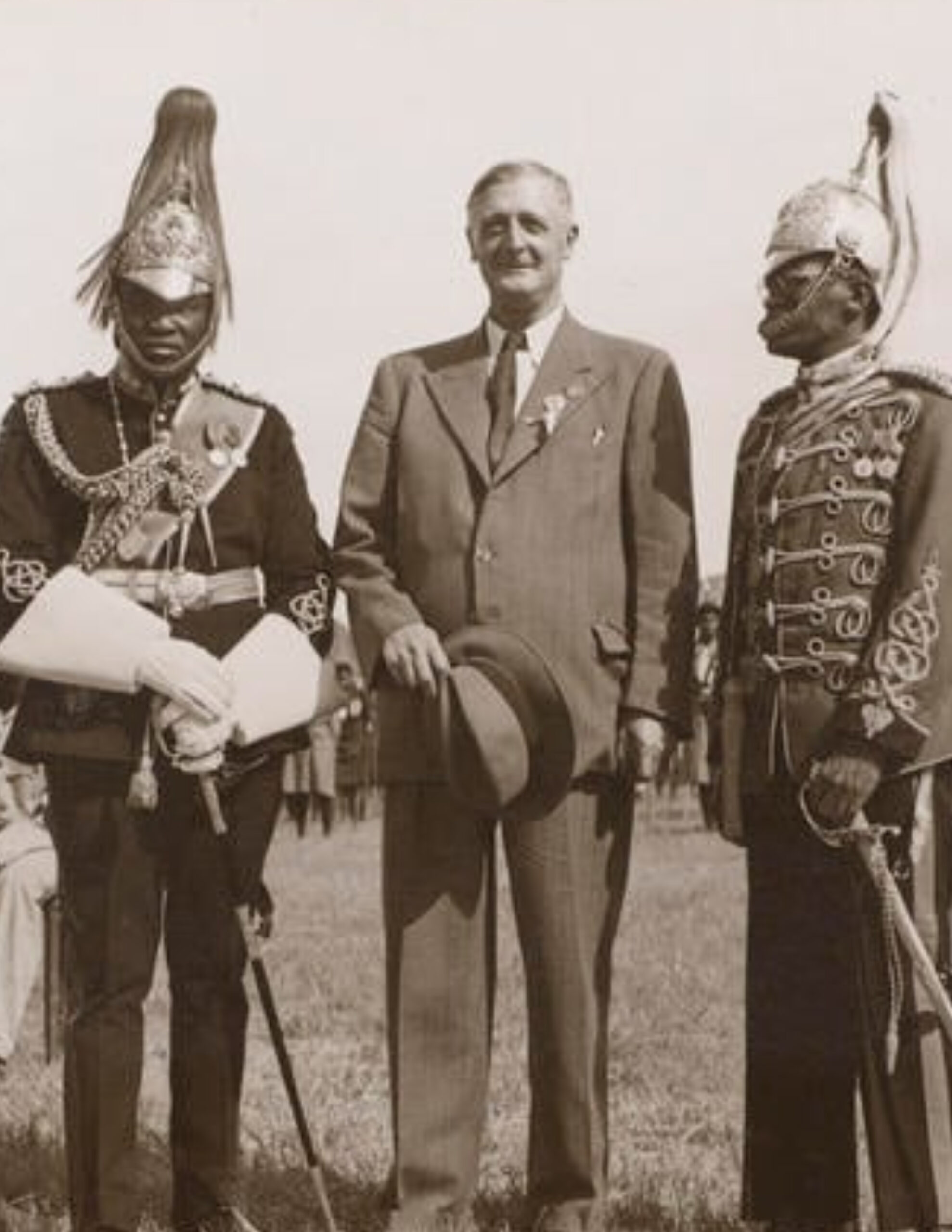
In 1885, Botswana was declared a British protectorate, known as the Bechuanaland Protectorate. This designation aimed to shield the region from the territorial ambitions of European powers and maintain relative stability. The protectorate status ensured that Botswana remained independent from the neighboring British colonies of South Africa and Rhodesia (now Zimbabwe). During this time, tribal leaders in Botswana actively sought British protection to safeguard their territories and maintain their independence. One of the most influential figures was King Khama III of the Bangwato, who played a crucial role in establishing friendly relations with the British colonial administration. Khama III's efforts were driven by a desire to protect his people's land and autonomy from the encroachment of European powers.
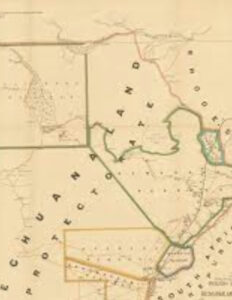
The Bechuanaland Protectorate was characterized by indirect rule, wherein the British authorities largely respected the existing political structures and traditional leadership of the Tswana communities. Tribal chiefs, known as dikgosi, retained their positions of authority and acted as intermediaries between the local population and the colonial administration. The colonial period brought both positive and negative impacts to Botswana. On one hand, the British presence contributed to the establishment of law and order, the development of infrastructure such as roads and schools, and improvements in healthcare. Missionaries also played a role in introducing Western education and Christianity to the region.
On the other hand, the colonial period also brought challenges and disruptions. European settlers and the expansion of commercial agriculture encroached upon traditional lands, leading to conflicts over resources and land rights. Additionally, the introduction of Western economic systems and labor practices, such as migrant labor in South African mines, had profound effects on the socio-economic fabric of Botswana. Nevertheless, the Bechuanaland Protectorate maintained a certain level of political stability compared to many other African colonies. This stability was largely attributed to the cooperation between the Tswana chiefs and the British colonial administration.
The period of British colonial rule in Botswana laid the groundwork for the nation's future independence and democratic governance. It provided a relatively stable environment that allowed Botswana to transition into a sovereign nation and embark on a path of self-determination and development.
Independence and the Birth of Botswana:
The journey towards independence for Botswana began in the 1960s as the political consciousness of the local population grew and demands for self-governance intensified. This period witnessed the emergence of political parties and leaders who played instrumental roles in shaping the future of the country. In 1962, the Bechuanaland Democratic Party (BDP) was founded as the first political party in the Bechuanaland Protectorate. The BDP, led by Sir Seretse Khama, sought self-government and eventual independence for Botswana. Khama, a highly respected and influential figure, was a paramount chief of the Bangwato and had spent many years studying in the United Kingdom.
The BDP gained widespread support among the population, particularly among the Tswana communities, who saw it as a vehicle for achieving political empowerment and self-determination. The party advocated for the preservation of traditional values and the incorporation of democratic principles within Tswana society. Negotiations between the British colonial authorities and the BDP culminated in the adoption of a new constitution in 1965, providing for greater self-government and internal autonomy. Elections were held in March 1965, and the BDP won a significant majority, further cementing its position as the leading political force in the country.
On September 30, 1966, Botswana gained full independence from British colonial rule, marking the birth of the modern nation-state. Sir Seretse Khama became the country's first president, and the BDP formed the government. The transition to independence was peaceful and marked by a spirit of reconciliation and nation-building. Botswana's independence was significant, as it achieved sovereignty without resorting to armed struggle or experiencing the turmoil and conflicts that characterized the decolonization process in many other African nations. The peaceful nature of independence allowed for a smooth transition of power and laid the foundation for stability and democracy in Botswana.
Under President Seretse Khama's leadership, Botswana pursued a policy of democracy, good governance, and economic development. The government prioritized education, healthcare, and infrastructure development, investing in human capital and creating opportunities for social mobility. This focus on human development and nation-building contributed to Botswana's remarkable progress in the following decades. Another critical aspect of Botswana's post-independence success was the prudent management of its mineral wealth, particularly diamond resources. The country established the Debswana Diamond Company, a joint venture between the government and De Beers, to oversee the diamond mining industry. Revenue from diamond exports was reinvested in social programs, education, and infrastructure, fostering economic growth and reducing poverty.
Botswana's commitment to democracy and good governance has been demonstrated through regular free and fair elections, respect for the rule of law, and the protection of civil liberties. The country has maintained political stability and peaceful transitions of power, setting it apart as a beacon of democracy in Africa.
In conclusion, the independence and birth of Botswana as a sovereign nation marked a significant turning point in its history. The peaceful transition, under the leadership of President Seretse Khama and the Bechuanaland Democratic Party, laid the foundation for Botswana's subsequent achievements in democratic governance, economic growth, and social development.