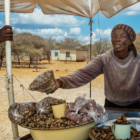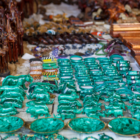
Zimbabwe, a country nestled in southern Africa, is renowned for its extraordinary natural beauty and rich cultural heritage. A truly unique travel destination, it offers unparalleled vistas of majestic wildlife and breathtaking landscapes. As a leading African destination, Zimbabwe epitomises the continent’s famed hospitality and zest for life.
With a deep-rooted cultural heritage and spectacular safari adventures, there’s something to captivate every traveller. Accommodation options abound, from luxurious lodges and hotels to budget-friendly camping and backpacker facilities. Embark on a journey from the iconic Victoria Falls to the wildlife-filled Hwange National Park; no two trips to Zimbabwe are alike – each adventure is a totally unique and unforgettable experience.
Summary Statistics
- Annual Average Temperature: 19.4°C
- Annual Average High Temperature: 25.8°C
- Annual Average Low Temperature: 13.1°C
- Annual Average Precipitation: 840 mm
Zimbabwe has three main regions with varying climates: the eastern highlands, which have a temperate climate with cool temperatures and heavy rainfall; the central plateau, which has a more moderate climate with hot summers and mild winters; and the western lowlands, which have a subtropical climate with hot, humid summers and mild winters. The country generally experiences warm and sunny weather, making it an attractive destination for visitors seeking to escape colder regions.
Seasons in Zimbabwe
Zimbabwe has two main seasons: the rainy season, which runs from late October to April, and the dry season, which runs from May to October.
The rainy season, also known as the "long rains," is characterised by high temperatures and heavy rainfall. This is when the country's vegetation is at its most lush and is the peak tourist season. Many national parks and game reserves are closed during this time due to high water levels and flood risk.
The dry season, also known as the "short rains," is characterised by lower temperatures and less rainfall. This is the best time to visit national parks and game reserves, as the vegetation is less dense and animals are easier to spot. It is also the best time to see Victoria Falls, as the water level is low, making the falls more spectacular. Many cultural and historical sites are also more accessible during the dry season.
The transitional periods of April/early May and September/October tend to be dry, but days are cooler than in summer and nights are warmer than in winter.
Rainfall
Rainfall in Zimbabwe varies depending on the region and season. The eastern highlands receive the most rainfall, the central plateau receives moderate rainfall, and the western lowlands receive the least rainfall.
The eastern highlands, including the Nyanga Mountains and Chimanimani Mountains, receive the highest rainfall, with average annual rainfall ranging from 1000 to 2000mm. This region is known for its high humidity, mist and occasional heavy downpours.
The central plateau, including Harare and Bulawayo, receives moderate rainfall, with average annual rainfall ranging from 600 to 1000mm. This region has a more moderate climate with hot summers and mild winters.
The western lowlands, including Hwange and Matabeleland, receive the least rainfall, with average annual rainfall ranging from 400 to 600mm. This region has a subtropical climate with hot, humid summers and mild winters.
The rainy season typically runs from late October to April, with the heaviest rainfall occurring in December and January. The dry season typically runs from May to October, with very little rainfall.
Temperatures
The eastern highlands have cooler temperatures due to the high altitude, with average temperatures ranging from 10 to 20°C throughout the year.
The central plateau has moderate temperatures, with average temperatures ranging from 15 to 30°C throughout the year. This region has a more moderate climate with hot summers and mild winters.
The western lowlands have the warmest temperatures, with average temperatures ranging from 20 to 35°C throughout the year. This region has a subtropical climate with hot, humid summers and mild winters.
Temperatures in Zimbabwe are generally warm and sunny, making it a good destination for visitors seeking to escape colder weather. It's important to note that temperature can vary depending on altitude, for example, Victoria Falls, located at a higher altitude, generally has lower temperatures than the lowlands.
Humidity
Humidity levels can vary depending on the time of day and proximity to bodies of water. The eastern highlands have high humidity due to the high altitude and heavy rainfall, with levels generally above 70% throughout the year.
The central plateau has moderate humidity, with levels ranging from 60-70% throughout the year. The western lowlands have lower humidity levels, ranging from 50-60% throughout the year.
During the rainy season, humidity levels tend to be higher throughout the country due to increased rainfall. During the dry season, humidity levels tend to be lower, especially in the western lowlands.
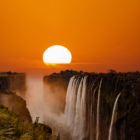
Straddling the border between Zimbabwe and Zambia, Victoria Falls is one of the Seven Natural Wonders of the World. This massive waterfall, known locally as “Mosi-oa-Tunya” (the Smoke that Thunders), is a breathtaking sight with a height of 108 metres and a width of up to 1,708 metres. At peak flow, the Zambezi River can discharge up to 550 million litres of water into the gorge, creating a spectacular display of power and beauty.
Geographical and Physical Features
Victoria Falls is renowned for its staggering dimensions, measuring 108 metres in height and stretching over 1,700 metres in width. This makes it the largest waterfall in the world by combined measurements. The falls are created by the Zambezi River plunging over a basalt ledge, resulting in a dramatic drop that produces a thunderous roar and a mist that can be seen from miles away.During the rainy season, particularly from January to April, the flow of water can reach up to 550 million litres per minute, creating an incredible spectacle. Conversely, during the dry season from June to October, the water levels recede, revealing more of the underlying rock formations and allowing for different activities, such as swimming in the famous Devil’s Pool.
Historical Significance
The falls were first brought to the attention of the Western world by Scottish missionary and explorer David Livingstone in 1855. He named the waterfall after Queen Victoria, and his descriptions of its beauty have inspired countless visitors since. Livingstone’s initial encounter with the falls was both an obstacle and a marvel; he noted that no one in England could imagine such beauty, and he famously remarked that “scenes so wonderful must have been gazed upon by angels in their flight” .Historically, the area around Victoria Falls has been significant to local tribes, who revered the falls with a sense of sacredness and fear. It wasn’t until the early 20th century, with the construction of a railway, that tourism began to flourish in the region.
Activities and Experiences
Victoria Falls offers a plethora of activities for visitors, catering to both adventure seekers and those looking for a more relaxed experience. Here are some highlights:
- Viewing the Falls: The Zimbabwean side of the falls provides some of the best panoramic views. Key viewpoints include the Knife-edge Bridge and the Main Falls, where visitors can experience the full force of the water and the accompanying mist.
- Adventure Sports: For thrill-seekers, activities such as white-water rafting on the Zambezi River, bungee jumping from the Victoria Falls Bridge, and zip-lining across the gorge are available.
- Devil’s Pool: This natural infinity pool, located at the edge of the falls, is accessible during the dry season. It offers a unique experience of swimming right at the brink of the waterfall.
- Sunset Cruises: A sunset cruise on the Zambezi River provides a serene way to enjoy the beauty of the falls and its surroundings, often accompanied by sightings of wildlife such as hippos and crocodiles.
- Walking Safaris: Guided walking safaris in the nearby Mosi-oa-Tunya National Park allow visitors to explore the local flora and fauna, including the chance to see white rhinos.
- Cultural Experiences: Engaging with local communities through village tours or visiting craft markets can provide insight into the rich culture and traditions of the region.
Best Time to Visit
The experience of visiting Victoria Falls can vary significantly depending on the time of year:
- Rainy Season (January to April): This period sees the falls at their most powerful, with dramatic water flow and lush vegetation. However, the mist can obscure some views.
- Dry Season (June to October): The water levels drop, offering clearer views of the falls and opportunities for activities like swimming in Devil’s Pool. This season is ideal for adventure sports.

Great Zimbabwe stands as a powerful testament to the ingenuity and resilience of the Shona people and their rich cultural heritage. Its impressive ruins, intricate stonework, and historical significance make it a must-visit destination for anyone interested in African history and archaeology. As a UNESCO World Heritage Site, Great Zimbabwe not only preserves the legacy of a bygone era but also serves as a reminder of the enduring spirit of the Zimbabwean people. By visiting and engaging with this remarkable site, travellers can gain a deeper appreciation for the complexities of African history and the achievements of its ancient civilisations.
Great Zimbabwe is one of Africa’s most significant archaeological sites, representing a remarkable chapter in the continent’s history. It offers a glimpse into the lives of the Shona people and the sophisticated society that thrived in this region from the 11th to the 15th centuries. Below is a detailed exploration of Great Zimbabwe, covering its historical context, architectural features, cultural significance, challenges to preservation, and visitor experience.
Historical Context
Origins and Development
Great Zimbabwe emerged as a powerful kingdom during a time when trade routes were expanding across southern Africa. The Shona people, who are believed to have settled in the area around the 4th century, developed a complex society that engaged in agriculture, cattle herding, and trade. The city itself was established around the 11th century and grew into a major political and economic centre.At its zenith, Great Zimbabwe was the capital of a vast kingdom that extended across much of modern-day Zimbabwe and into parts of Mozambique. The kingdom’s wealth was derived from its control of trade routes that connected the interior of Africa with coastal trading ports on the Indian Ocean, particularly those in present-day Mozambique. Gold, ivory, and other valuable commodities were traded for goods such as textiles, pottery, and glass beads.
Decline
By the late 15th century, Great Zimbabwe began to decline, likely due to a combination of factors including environmental changes, depletion of resources, and the rise of competing powers. The capital eventually shifted to other centres, such as the nearby city of Khami. Despite its decline, the legacy of Great Zimbabwe continued to influence the region, and its ruins remain a powerful symbol of the Shona people’s heritage.
Architectural Features
The architecture of Great Zimbabwe is one of its most striking aspects, showcasing advanced engineering and artistic skills. The city is primarily composed of dry-stone structures, built without mortar, that have stood the test of time.
Key Structures
- Hill Complex: This elevated area features some of the oldest structures at Great Zimbabwe. The Hill Complex is believed to have been a religious site, possibly serving as a place for rituals and ceremonies. The layout includes a series of enclosures and walls, demonstrating the advanced construction techniques of the time.
- Great Enclosure: The Great Enclosure is the largest and most impressive structure within the site. Its massive stone walls, reaching heights of up to 9.7 metres (32 feet), are constructed in a circular form, enclosing a central area that may have served as a royal residence or a ceremonial space. The conical tower within the enclosure is particularly noteworthy, symbolising the power and prestige of the kingdom.
- Valley Ruins: This area contains the remains of numerous smaller structures, including houses and workshops. The layout of the Valley Ruins suggests a well-planned urban environment, with spaces designated for different functions, including living quarters for both the elite and commoners.
Construction Techniques
The construction of Great Zimbabwe’s walls involved the careful selection and placement of granite stones, which were quarried locally. The absence of mortar in the construction is a testament to the skill of the builders, who used precise stone-cutting techniques to ensure stability. The walls were often built in a sloping manner, which helped to distribute weight and resist erosion.
Cultural Significance
Great Zimbabwe is not only an architectural marvel but also a cultural symbol for the Shona people and Zimbabwe as a whole. The site embodies the achievements of a sophisticated society that thrived long before colonial influences.
Symbol of Identity
The ruins of Great Zimbabwe are a source of national pride and identity for Zimbabweans. The name “Zimbabwe” itself is derived from the Shona term “dzimba dza mabwe,” meaning “houses of stone.” The site is often invoked in discussions about African heritage and the historical contributions of indigenous peoples to civilisation.
Art and Artefacts
Archaeological excavations at Great Zimbabwe have uncovered a wealth of artefacts, including pottery, tools, and decorative items. Among the most famous are the soapstone bird sculptures, which are believed to have had religious significance. These sculptures, often depicted in pairs, are thought to represent the ancestors or the spirit world and are featured prominently in Zimbabwe’s national symbolism.
Preservation Challenges
Despite its historical importance, Great Zimbabwe faces several challenges that threaten its preservation:
Environmental Factors
The site is subject to natural erosion and vegetation overgrowth, particularly from invasive plant species such as lantana. These factors can destabilise the ancient stone walls and obscure the ruins, making conservation efforts essential.
Human Impact
In addition to environmental challenges, Great Zimbabwe has experienced damage from looting and vandalism. During the colonial period, European explorers often dismissed the achievements of the Shona people, attributing the construction of the city to non-African civilisations. This narrative has contributed to a lack of understanding and respect for the site’s significance among some visitors.
Conservation Efforts
Efforts are underway to preserve and protect Great Zimbabwe. These include managing vegetation, conducting archaeological research, and raising awareness about the site’s importance. Local communities are also being engaged in conservation initiatives, fostering a sense of ownership and responsibility for the heritage site.
Visiting Great Zimbabwe
Visiting Great Zimbabwe offers a unique opportunity to connect with the past and explore the remnants of an ancient civilisation. Here are some practical tips for visitors:
Getting There
Great Zimbabwe is located near the town of Masvingo, which is accessible by road from major cities like Harare and Bulawayo. The site is well signposted, and local guides are available to enhance the visitor experience.
Guided Tours
Guided tours are highly recommended, as they provide valuable insights into the history and significance of the ruins. Knowledgeable guides can share stories about the Shona culture, the construction techniques used, and the archaeological findings that have emerged from the site.
Visitor Facilities
The site features a visitor centre with informative displays about the history of Great Zimbabwe and its archaeological significance. There are also facilities for refreshments and souvenirs, allowing visitors to take home a piece of this rich heritage.
Best Time to Visit
The best time to visit Great Zimbabwe is during the dry season, from May to October, when the weather is cooler and more comfortable for exploring the ruins. The rainy season, from November to April, can make the site muddy and less accessible, although the lush greenery can enhance the beauty of the landscape.

Hwange National Park is Zimbabwe’s largest national park, covering an expansive area of over 14,600 square kilometres. Located in the western part of the country, it shares a border with Botswana and is renowned for its diverse wildlife, making it a premier destination for nature enthusiasts and safari-goers. Hwange National Park is a must-visit destination for anyone looking to experience the natural beauty and wildlife of Zimbabwe. With its vast landscapes, abundant wildlife, and a range of activities, the park offers a unique opportunity to connect with nature and witness the splendour of Africa’s wilderness. Whether you are an avid photographer, a wildlife enthusiast, or simply seeking adventure, Hwange provides an unforgettable safari experience.
Wildlife and Biodiversity
Hwange is celebrated for its rich biodiversity, particularly its impressive populations of large mammals. The park is home to the Big Five—lion, leopard, rhinoceros, elephant, and buffalo—making it a prime location for game viewing.
- Elephants: Hwange is particularly famous for its elephant population, one of the largest in the world. Visitors often encounter large herds, especially during the dry season when they congregate around waterholes.
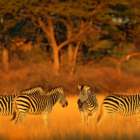
- Other Wildlife: In addition to the Big Five, the park hosts a variety of other wildlife, including giraffes, zebras, wildebeests, and numerous antelope species such as kudu and impala. Birdwatchers will also find Hwange appealing, as it is home to over 400 bird species, including several endemic and migratory birds.
Activities
Visitors to Hwange National Park can engage in a range of activities that allow for immersive experiences in the wilderness:
- Game Drives: Guided game drives are a popular way to explore the park. Experienced guides provide insights into the wildlife and ecosystems, enhancing the safari experience.
- Walking Safaris: For those seeking a more intimate connection with nature, walking safaris offer the chance to explore the park on foot. This activity allows participants to observe wildlife tracks, plants, and smaller creatures that may be overlooked during a vehicle safari.
- Birdwatching: With its diverse habitats, Hwange is a birdwatcher’s paradise. The park’s wetlands, woodlands, and savannahs provide ideal conditions for spotting a wide array of bird species.
- Night Drives: Some safari operators offer night drives, providing a unique opportunity to observe nocturnal wildlife that is not typically seen during the day.
Accessibility and Accommodation
Hwange National Park is easily accessible from major cities like Victoria Falls and Bulawayo, making it a convenient stop for tourists. The park features several lodges and campsites, ranging from luxury accommodations to more rustic camping options.
- Lodges and Camps: There are various lodges within the park that cater to different budgets. Many offer guided tours and all-inclusive packages, including meals and activities.
- Camping: For those who prefer a more adventurous experience, camping is permitted in designated areas. This allows visitors to immerse themselves in the sounds and sights of the African bush.
Conservation Efforts
Hwange National Park plays a crucial role in wildlife conservation in Zimbabwe. The park is managed by the Zimbabwe Parks and Wildlife Management Authority, which implements various conservation initiatives to protect the park’s ecosystems and wildlife.
- Anti-Poaching Measures: Efforts to combat poaching and illegal wildlife trade are ongoing, with rangers patrolling the park to ensure the safety of its inhabitants.
- Community Involvement: Local communities are engaged in conservation efforts, with initiatives aimed at promoting sustainable tourism and protecting wildlife habitats.

Mana Pools National Park, a UNESCO World Heritage Site, is a crown jewel in Zimbabwe’s natural splendour. Situated on the Zambezi River’s southern bank in northern Zimbabwe, this expansive park is renowned for its lush floodplains, abundant wildlife, and unique ecosystems. Named after the four permanent pools (‘mana’ in Shona) that sustain life during the dry season, the park is a magnet for wildlife and a paradise for nature enthusiasts.
Covering approximately 2,196 square kilometres, Mana Pools offers an unrivalled opportunity to immerse oneself in the African wilderness. Whether exploring on foot, by canoe, or on a game drive, visitors encounter breathtaking landscapes, diverse wildlife, and unforgettable experiences. With its rich biodiversity and stunning scenery, the park is a photographer’s dream and a birdwatcher’s haven.
Mana Pools is a must-visit for anyone seeking an authentic African safari adventure.
Wildlife and Biodiversity
Mana Pools is celebrated for its rich biodiversity and is home to a remarkable concentration of wildlife, including:
- Large Mammals: The park boasts significant populations of elephants and buffalo, which are often seen congregating around the pools, especially during the dry season. The sight of large herds of elephants drinking and bathing in the water is a highlight for many visitors. Predators such as lions, leopards, and the elusive African wild dog can also be spotted, making it one of the best locations in Africa to observe these endangered canines in their natural habitat.
- Hippopotamus and Nile Crocodile: The Zambezi River and its floodplains provide essential habitats for large numbers of hippopotamus and Nile crocodile. Visitors can often see these fascinating creatures basking in the sun along the riverbanks or submerged in the water.
- Birdlife: With over 450 bird species recorded, Mana Pools is a paradise for birdwatchers. The park’s diverse habitats support a wide variety of birds, including colourful carmine bee-eaters, majestic fish eagles, and numerous waterbirds that frequent the river and pools. The sight and sound of birds in this vibrant ecosystem create a delightful experience for ornithologists and casual observers alike.
Unique Ecosystem
The ecosystem of Mana Pools is characterised by its floodplains, woodlands, and the iconic Zambezi River, which acts as a lifeline for both wildlife and vegetation. The seasonal flooding of the river creates a dynamic environment that supports a rich variety of aquatic and terrestrial species. Key features of the park’s ecosystem include:
- Floodplains: These areas are vital for wildlife, particularly during the dry season when animals migrate to the pools for water. The floodplains are rich in nutrients and support a variety of grasses and plants that attract herbivores.
- Woodlands and Forests: The park features dense forests of baobab, mahogany, wild fig, and ebony trees, providing shelter and food for various species. These woodlands are not only beautiful but also play a crucial role in the park’s biodiversity.
- Islands and Sandbanks: The Zambezi River’s islands and sandbanks create unique habitats that support a range of wildlife and offer stunning views for visitors. These areas are often less disturbed and provide excellent opportunities for wildlife observation.
Activities
Visitors to Mana Pools National Park can engage in a variety of activities that allow for immersive experiences in the wilderness:
- Walking Safaris: One of the park’s highlights, walking safaris offer an intimate way to explore the landscape and observe wildlife up close. Guided by experienced rangers, these safaris provide insights into the flora and fauna of the region, as well as the chance to learn about animal tracks and signs.
- Canoeing Safaris: Paddling along the Zambezi River allows visitors to experience the park from a unique perspective. Canoeing safaris provide opportunities to spot wildlife along the riverbanks, enjoy the tranquillity of the water, and appreciate the stunning scenery.
- Game Drives: Traditional game drives are also available, allowing visitors to cover more ground and increase their chances of spotting a variety of wildlife. These drives are typically conducted in open 4×4 vehicles, providing excellent visibility and comfort.
- Birdwatching: With its rich avian diversity, birdwatching is a popular activity in Mana Pools. Visitors can observe a wide range of species, making it a haven for ornithologists and nature enthusiasts. Many lodges offer guided birdwatching tours to enhance the experience.
Conservation Efforts
Mana Pools National Park plays a crucial role in wildlife conservation in Zimbabwe. The park is managed by the Zimbabwe Parks and Wildlife Management Authority, which implements various conservation initiatives to protect its ecosystems and wildlife.
- Sustainable Tourism: The park promotes responsible tourism practices, ensuring that visitor activities do not negatively impact the environment. Local communities are also involved in conservation efforts, fostering a sense of ownership and responsibility for the park’s resources.
- Anti-Poaching Measures: Ongoing efforts to combat poaching and illegal wildlife trade are vital to protecting the park’s vulnerable species, including the African wild dog and various bird populations. Rangers patrol the park to monitor wildlife and prevent illegal activities.
Visiting Mana Pools
Mana Pools National Park is accessible from major cities like Harare and Victoria Falls, making it a convenient destination for travellers. The park offers a range of accommodation options, from luxury lodges to more rustic camping facilities, allowing visitors to choose an experience that suits their preferences.
- Accommodation: Options vary from well-appointed lodges with modern amenities to tented camps that provide a more immersive experience in nature. Some lodges may close during the rainy season due to challenging access, but many remain open year-round.
- Best Time to Visit: The dry season, from May to October, is generally considered the best time to visit, as wildlife congregates around the water sources. The wet season, from December to March, transforms the landscape into a lush paradise, although access can be more difficult during this time.

The Matobo Hills, a UNESCO World Heritage Site located about 35 kilometres south of Bulawayo in southwestern Zimbabwe, are a remarkable geological formation. Over two billion years of erosion and weathering have sculpted the granite plateau into a breathtaking landscape of balancing rocks, caves, and ancient rock art. This unique area offers a fascinating blend of geology, culture, and wildlife. Visitors can explore the hills on foot, discovering the intricate rock formations and the rich history etched into the cave walls. The Matobo Hills are also home to a variety of wildlife, including the endangered black rhinoceros.
With a strong commitment to conservation, the Matobo Hills are protected for future generations. This extraordinary destination is a must-visit for anyone exploring the wonders of southern Africa.
Geological Wonders
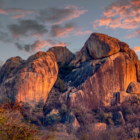
The varied composition and alignment of the granite rocks in the Matobo Hills resulted in the formation of domes, spires, and “whaleback” domes known as “dwalas”. These extraordinary rock formations have exerted a strong presence over the whole area, both in natural and cultural terms. The balancing rocks, in particular, are a sight to behold, defying gravity with their precarious perch atop narrow pedestals. The caves and rock shelters, carved out by the elements over millennia, provide a glimpse into the geological processes that have shaped this unique landscape.
Ancient Rock Art
The Matobo Hills are home to one of the highest concentrations of rock art in Southern Africa, dating back at least 13,000 years. The paintings, found on cave walls and rock shelters, illustrate the evolving artistic styles and socio-religious beliefs of the San people who inhabited the area. The rock art provides valuable insight into the lives of foraging societies in the Stone Age and the eventual displacement of these societies by agricultural societies in the Iron Age. The paintings, which depict a wide range of subjects including animals, humans, and abstract symbols, are a testament to the artistic prowess and cultural richness of the San people.
Wildlife and Conservation
In addition to its rich cultural heritage, the Matobo Hills are also known for their significant population of black and white rhinoceros. The Intensive Protection Zone in the western section of the park is home to a large number of these endangered species, making it a popular destination for wildlife enthusiasts. Visitors can expect to see a variety of other wildlife as well, including zebra, giraffe, leopard, hyena, hippo, warthog, and a diverse array of bird species. The park’s commitment to conservation ensures that these species continue to thrive in their natural habitat.
Early Human History
The human history of the Matobo Hills dates back over 100,000 years, with evidence of early hunter-gatherer societies, notably the San people, who left behind a remarkable legacy of rock art. The hills contain one of the highest concentrations of prehistoric rock paintings in Southern Africa, with some dating back as far as 13,000 years. These artworks depict various motifs, including animals and human figures, and provide valuable insight into the beliefs and lifestyles of the region’s ancient inhabitants.As time progressed, the Matobo Hills became a site of significant cultural transition. Around 2,000 years ago, pastoral and farming communities began to migrate into the area, introducing new ways of life and technologies. This transition marked a shift from the hunter-gatherer societies that had previously dominated the landscape.
Colonial Influence and Cecil Rhodes
The Matobo Hills gained further historical significance in the 19th century with the arrival of the Ndebele people, led by King
Mzilikazi, who established their kingdom in the region in 1832. The Ndebele brought their own cultural practices and
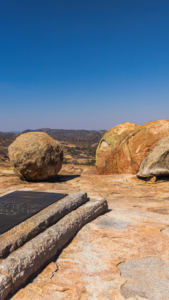
established important sites within the hills, including shrines and homesteads.In the late 19th century, the British colonial presence expanded in southern Africa, leading to the establishment of Southern Rhodesia, named after Cecil Rhodes, a prominent figure in the expansion of British imperial interests in the region. Rhodes played a pivotal role in the colonisation of Zimbabwe, and his influence is still felt today.One of the most notable landmarks in the Matobo Hills is Rhodes’s grave, located at a site known as “World’s View.” This location offers stunning vistas of the surrounding landscape and has become a popular tourist destination. Rhodes’s burial site is symbolic of the complex history of colonialism in Zimbabwe, reflecting both the aspirations and the conflicts of the era.
Cultural and Spiritual Significance
The Matobo Hills are not only a historical site but also a place of spiritual significance for many local communities. The area is home to sacred sites associated with the Mwari religion, where adherents conduct rituals and ceremonies, including rainmaking. The hills are believed to be inhabited by ancestral spirits, and various locations within the landscape are considered holy, making them important pilgrimage destinations.
Visitor Experience
The Matobo Hills offer a range of activities for visitors to enjoy, including hiking, rock climbing, and guided tours of the rock art sites. The park’s well-maintained trails lead visitors through the stunning landscapes, offering breathtaking views of the balancing rocks and opportunities to spot wildlife. Guided tours provide valuable insights into the geological and cultural significance of the area, ensuring that visitors leave with a deeper appreciation for this unique natural wonder.

Lake Kariba, the world’s largest man-made lake by volume, is a stunning testament to human ingenuity and nature’s beauty. Created by the construction of the Kariba Dam on the Zambezi River in the 1950s, this vast expanse of water stretches approximately 280 kilometres and covers an area of around 5,400 square kilometres. A vital resource for hydroelectric power and irrigation, the lake has also become a major tourist destination.
Offering a perfect blend of natural beauty and recreational activities, Lake Kariba is a paradise for water lovers. Whether fishing, cruising on a houseboat, or simply soaking up the serene atmosphere, visitors are sure to be captivated by this extraordinary African landmark. The opportunity to encounter diverse wildlife adds to the allure of this remarkable destination.
Water-Based Activities
Lake Kariba offers a wide range of water-based activities that cater to various interests:
- Fishing: The lake is renowned for its excellent fishing opportunities, particularly for species such as tiger fish, bream, and tilapia. Anglers can enjoy both shore and boat fishing, with many local operators offering guided fishing trips.
- Houseboating: One of the most popular ways to experience Lake Kariba is by renting a houseboat. These floating accommodations allow visitors to explore the lake at their leisure, enjoying the stunning scenery and abundant wildlife. Houseboating provides a unique opportunity to relax on the water, fish, and even swim in designated areas.
- Canoeing and Kayaking: For those seeking a more intimate experience with nature, canoeing and kayaking on Lake Kariba offer a peaceful way to explore its shores. Paddling through the calm waters allows for close encounters with wildlife, including hippos and crocodiles, as well as the chance to observe various bird species.
Wildlife and Ecosystem
The surrounding area of Lake Kariba is rich in biodiversity, making it a prime location for wildlife enthusiasts. The lake and its banks are home to a variety of species, including:
- Hippos: The “Kariba houseboat hippo” is a well-known sight, as these large mammals are often seen grazing on the shores at dusk and dawn.
- Crocodiles: Nile crocodiles are prevalent in the lake, and visitors are often cautioned to be mindful of their presence while swimming or boating.
- Birdlife: Lake Kariba is a birdwatcher’s paradise, with over 300 species recorded. The diverse habitats around the lake support a range of birds, including fish eagles, herons, and kingfishers.
- Land Animals: The nearby Matusadona National Park and surrounding areas provide habitats for elephants, buffalo, and various antelope species. Game drives and guided walks in these adjacent reserves offer opportunities to see these animals in their natural environment.
Conservation and Challenges
While Lake Kariba is a vital resource, it also faces several environmental challenges. The construction of the dam has altered the natural flow of the Zambezi River, impacting local ecosystems and fish populations. Additionally, issues such as pollution, invasive species, and climate change pose threats to the lake’s health and biodiversity.Efforts are underway to promote sustainable tourism and conservation in the region. Local organisations and communities are working to protect the lake’s ecosystems while ensuring that tourism remains a viable source of income for the surrounding areas.

Zimbabwe is home to a diverse array of towns and cities, each with its own unique character and attractions. From bustling urban centres to charming rural settlements, the country offers a range of destinations for visitors to explore. Here are some of Zimbabwe’s main towns and cities:
Harare
Harare, the capital and largest city of Zimbabwe, is a vibrant and cosmopolitan hub. Home to over 1.5 million people, Harare boasts a thriving arts and culture scene, with numerous galleries, museums, and performing arts venues. The city is also known for its lively markets, such as the Mbare Musika, where visitors can immerse themselves in local culture and purchase handcrafted goods. Harare serves as an excellent base for exploring the surrounding countryside, including the Mukuvisi Woodlands and the Domboshawa Caves.

Bulawayo
Bulawayo, Zimbabwe’s second-largest city, is often referred to as the “City of Kings.” This historic city is known for its well-preserved colonial architecture, tree-lined streets, and friendly locals. Bulawayo is home to the National History Museum, which showcases the country’s rich cultural heritage, and the Khami Ruins, a UNESCO World Heritage Site that dates back to the 15th century. The city is also a popular starting point for safaris to Hwange National Park and Matobo Hills.
Victoria Falls
Victoria Falls, a UNESCO World Heritage Site, is one of Zimbabwe’s most famous attractions. This stunning natural wonder, known locally as “Mosi-oa-Tunya” (the Smoke that Thunders), straddles the border between Zimbabwe and Zambia. The town of Victoria Falls, located on the Zimbabwean side, is a popular tourist hub, offering a range of accommodation options, restaurants, and adventure activities such as bungee jumping, white-water rafting, and helicopter rides over the falls.
Masvingo
Masvingo, located in southeastern Zimbabwe, is best known for its proximity to the Great Zimbabwe, a UNESCO World Heritage Site and the country’s most significant archaeological site. The town serves as a base for visitors exploring the ancient stone ruins, which date back to the 11th century and were once the capital of a vast empire. Masvingo also offers access to the nearby Lake Mutirikwi and the Kyle National Park.
Mutare
Mutare, situated in eastern Zimbabwe near the border with Mozambique, is a picturesque city known for its colonial architecture and proximity to the Bvumba Mountains. The city is a popular starting point for hiking and birdwatching in the nearby Vumba Botanical Gardens and the Bunga Forest. Mutare also hosts the annual Manicaland Agricultural Show, showcasing the region’s agricultural products and cultural traditions.
These towns and cities offer a diverse range of experiences for visitors, from exploring historic sites and cultural attractions to enjoying outdoor adventures and wildlife encounters. Each destination provides a unique glimpse into the fabric of Zimbabwean society and the country’s rich heritage.
The Geology of Zimbabwe
Zimbabwe's geological landscape is a captivating testament to millions of years of Earth's history. Shaped by tectonic activity, volcanic eruptions, and erosion, the country boasts a diverse array of rock formations, mineral deposits, and landforms. From the ancient Zimbabwe Craton to the more recent Karoo Supergroup and Kariba Rift Valley, the geological record is rich and complex. These formations provide invaluable insights into the planet's evolution while also underpinning the nation's economy.
As Zimbabwe harnesses its geological resources, it is crucial to balance economic growth with environmental responsibility to ensure the sustainable management of this natural heritage.
Precambrian Shield
The majority of Zimbabwe is underlain by the Archaean Zimbabwe Craton, which forms part of the larger Kaapvaal Craton. This ancient shield, composed primarily of granite and gneiss, dates back to the Precambrian era, over 2.5 billion years ago. The Zimbabwe Craton is one of the oldest and most stable continental blocks in the world, having survived numerous geological events without major deformation.The craton is divided into several distinct geological terranes, each with its own unique characteristics. The Limpopo Belt, a high-grade metamorphic zone, forms the northern boundary of the craton and is characterized by high-pressure and high-temperature rocks. The Midlands Terrane, located in central Zimbabwe, is known for its extensive gold deposits, while the Gweru Terrane in the west is home to the Bulawayo Greenstone Belt, a sequence of volcanic and sedimentary rocks that host significant copper and nickel mineralization.
Karoo Supergroup
During the Permian and Triassic periods, approximately 300 to 200 million years ago, a series of sedimentary and volcanic rocks known as the Karoo Supergroup were deposited in a large, shallow basin that covered much of southern Africa. In Zimbabwe, the Karoo Supergroup is represented by the Zambezi Valley Sediments and the Lebombo Rhyolites.The Zambezi Valley Sediments, consisting of sandstones, shales, and coal measures, were deposited in a fluvio-lacustrine environment and are found in the Zambezi Valley and the Limpopo Basin. These sediments are important sources of coal and are also prospective for oil and gas.The Lebombo Rhyolites, a sequence of volcanic rocks, are found in the eastern part of Zimbabwe and are associated with the breakup of Gondwana and the opening of the Indian Ocean. These rhyolites are part of the Karoo Large Igneous Province, which includes the Drakensberg basalts in South Africa and the Etendeka basalts in Namibia.
Great Dyke
One of Zimbabwe's most distinctive geological features is the Great Dyke, a linear, layered intrusion of ultramafic and mafic rocks that extends for over 550 kilometres across the country. The Great Dyke was formed during the Proterozoic era, approximately 2.5 billion years ago, when a massive intrusion of magma cooled and solidified within the Zimbabwe Craton.The Great Dyke is known for its extensive deposits of chromium, platinum-group metals, and nickel, making it an important economic resource for Zimbabwe. The layered nature of the intrusion has resulted in a unique geological structure, with distinct layers of different rock types, including dunite, harzburgite, and pyroxenite.
Kariba Rift Valley
The Kariba Rift Valley, located in northern Zimbabwe, is a part of the larger East African Rift System, which is slowly splitting the African continent along a north-south axis. The Kariba Rift Valley is characterized by a series of faults and grabens, with the Zambezi River flowing through the valley and forming the massive Lake Kariba behind the Kariba Dam.The rift valley is associated with volcanic activity, with several extinct volcanoes and volcanic plugs found in the area. The most notable of these is the Chilojo Cliffs, a series of striking red sandstone cliffs that line the Runde River in the Gonarezhou National Park.
Mineral Resources
Zimbabwe's diverse geology has endowed the country with a wealth of mineral resources, including gold, platinum, chromium, nickel, copper, and diamonds. The country is a significant producer of these minerals, which contribute significantly to its economy.The Witwatersrand Basin in South Africa extends into Zimbabwe and is known for its extensive gold deposits. In Zimbabwe, the Midlands Terrane is particularly rich in gold, with numerous active and abandoned gold mines scattered throughout the region.The Great Dyke is the primary source of Zimbabwe's chromium and platinum-group metals, with several large-scale mining operations extracting these valuable resources. The country is also a significant producer of nickel, with deposits found in the Gweru Terrane and the Great Dyke.

Fauna & Flora
The Diverse Fauna of Zimbabwe
Zimbabwe, a landlocked country in southern Africa, is renowned for its abundant and diverse wildlife. Home to the iconic Big Five – lion, leopard, rhinoceros, elephant, and buffalo – as well as a vast array of smaller mammals, birds, reptiles, and amphibians, the country is a paradise for nature enthusiasts. Zimbabwe's commitment to conservation is evident in the thriving ecosystems that support this rich biodiversity. From the majestic elephants of Hwange National Park to the vibrant birdlife of Mana Pools, the country offers unforgettable wildlife experiences.
By supporting sustainable tourism and responsible conservation practices, visitors can help preserve this natural heritage for future generations.
Mammals
Zimbabwe is renowned for its substantial populations of large mammals, particularly in its national parks and wildlife reserves. The country is home to over 100 species of mammals, including:
- The Big Five: Zimbabwe's national parks, such as Hwange and Mana Pools, provide excellent opportunities to spot the Big Five. Visitors can expect to see these magnificent creatures in their natural habitats, often on guided game drives or walking safaris.
- Elephants: Zimbabwe has one of the largest elephant populations in Africa, with significant numbers found in Hwange National Park and the Zambezi Valley. Visitors can witness the gentle giants at watering holes or on the move, often in large family herds.
- Antelopes: Zimbabwe is home to a diverse array of antelope species, including the majestic sable, roan, and greater kudu. These graceful creatures can be spotted grazing in the savannas and woodlands throughout the country.
- Predators: In addition to lions and leopards, Zimbabwe's predators include cheetahs, wild dogs, and spotted hyenas. These apex predators play a vital role in the ecosystem and are a thrilling sight for visitors.
Birds
Zimbabwe is a birdwatcher's paradise, with over 650 recorded species, making it one of the most bird-diverse countries in Africa. Some of the notable species found in Zimbabwe include:
- Birds of Prey: Zimbabwe is home to a variety of raptors, such as the African fish eagle, bateleur, and martial eagle. These impressive birds can often be seen soaring above the country's national parks and reserves.
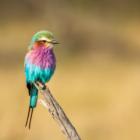
- Colourful Residents: Zimbabwe boasts a range of vibrant and colourful bird species, including the lilac-breasted roller, carmine bee-eater, and Meves's starling. These birds add a splash of colour to the country's landscapes.
- Migratory Species: Zimbabwe's diverse habitats attract a variety of migratory birds, particularly during the wet season. Visitors can spot species such as the European roller, yellow wagtail, and Eurasian cuckoo.
Reptiles and Amphibians
Zimbabwe's reptile and amphibian diversity is equally impressive, with species found in the country's various ecosystems. Some notable reptiles include:
- Crocodiles: The Nile crocodile is a common sight in Zimbabwe's rivers and lakes, particularly in Mana Pools National Park and along the Zambezi River.
- Snakes: Zimbabwe is home to a variety of snake species, including the black mamba, puff adder, and green mamba. While these snakes are best observed from a safe distance, they play an important role in the ecosystem.
- Tortoises: The leopard tortoise is a familiar sight in Zimbabwe's savannas and grasslands, grazing on vegetation and basking in the sun.
Conservation Efforts
Zimbabwe has a strong commitment to wildlife conservation, with a network of national parks, safari areas, and conservancies that protect the country's diverse fauna. The Zimbabwe Parks and Wildlife Management Authority (ZimParks) is responsible for managing and protecting the country's wildlife resources, ensuring their long-term survival.In recent years, Zimbabwe has made significant strides in rhino conservation, with populations of both black and white rhinos steadily increasing in protected areas like Mkomazi National Park and Savuli Conservancy. The country's anti-poaching efforts, in collaboration with international organizations, have been instrumental in safeguarding these endangered species.

Unique Fauna Species of Zimbabwe
Zimbabwe is home to a diverse array of wildlife, with many species found nowhere else on Earth. These endemic and near-endemic species contribute to the country's rich biodiversity and play a vital role in the delicate balance of its ecosystems. Here are some of the most notable fauna species unique to Zimbabwe:
Birds
Zimbabwe is a birdwatcher's paradise, with over 650 recorded species, many of which are endemic or near-endemic. Some of the most remarkable avian species found in the country include:
- Matabeleland Lark (Calendulauda pulverulenta): This lark species is endemic to Zimbabwe, with a limited range in the southwestern parts of the country. It is adapted to the arid savanna habitats of the Matabeleland region.
- Churring Cisticola (Cisticola njombe): This small warbler is a near-endemic species, with its main population in Zimbabwe and a small portion extending into neighboring countries. It prefers grassland and savanna habitats.
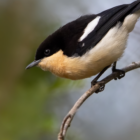
- Mashonaland Hyliota (Hyliota australis): This small bird is endemic to Zimbabwe, inhabiting the miombo woodlands of the Mashonaland region. It is known for its distinctive black and white plumage.
Mammals
While Zimbabwe shares many of its larger mammal species with neighboring countries, it is home to several unique subspecies and endemic small mammals:
- Matabeleland Klipspringer (Oreotragus oreotragus subsp. tyleri): This is a distinct subspecies of the klipspringer antelope, found only in the Matobo Hills and surrounding areas of southwestern Zimbabwe. It is adapted to the rocky terrain of its habitat.
- Mashona Hare (Lepus whytei): This hare species is endemic to Zimbabwe, with a range centered in the Mashonaland region. It is adapted to the miombo woodlands and grasslands of its habitat.
- Matabeleland Gerbil (Gerbilliscus leucogaster subsp. mababiensis): This is a distinct subspecies of the bushveld gerbil, found only in the Matabeleland region of Zimbabwe. It is a small rodent adapted to the arid savanna habitats.
Reptiles and Amphibians
Zimbabwe's unique reptiles and amphibians include:
- Matobo Flat Gecko (Afroedura pondolia subsp. matoboensis): This is a distinct subspecies of the flat gecko, found only in the Matobo Hills of southwestern Zimbabwe. It is adapted to the rocky outcrops and caves of its habitat.
- Mashona Dwarf Gecko (Lygodactylus conraui subsp. mayhewi): This is a subspecies of the Conrau's dwarf gecko, endemic to the Mashonaland region of Zimbabwe. It is a small, arboreal gecko found in miombo woodlands.
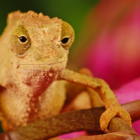
- Matobo Pygmy Chameleon (Rhampholeon maspictus): This diminutive chameleon species is endemic to the Matobo Hills, where it inhabits the rocky outcrops and dense vegetation.
Flora
Zimbabwe boasts a rich tapestry of plant life, adapted to a diverse range of climatic conditions. From the lush rainforests of the Eastern Highlands to the arid savannas of the Lowveld, the country’s flora is a testament to nature’s resilience. Iconic species such as the baobab and the vibrant msasa woodlands are just a few examples of Zimbabwe’s botanical treasures. Protecting and conserving this biodiversity is essential to preserving the country’s natural heritage for future generations.
Vegetation Zones
Zimbabwe can be broadly divided into four main vegetation zones:
- Highveld: The Highveld, located in the central and northern parts of the country, is characterized by rolling hills and grasslands. The dominant vegetation includes Miombo woodlands, dominated by Brachystegia and Julbernardia tree species, as well as areas of montane grassland.
- Middleveld: The Middleveld, situated between the Highveld and Lowveld, is a transitional zone with a mix of woodland and grassland vegetation. Common tree species include Combretum, Acacia, and Terminalia.
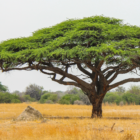
- Lowveld: The Lowveld, located in the southern and southeastern parts of Zimbabwe, is characterized by hot, dry conditions and savanna vegetation. The dominant tree species include Colophospermum mopane, Adansonia (baobab), and various Acacia species.
- Eastern Highlands: The Eastern Highlands, bordering Mozambique, are characterized by rugged terrain and higher rainfall. The vegetation is dominated by montane forests, with tree species such as Podocarpus, Olea, and Syzygium.
Iconic Plant Species
Zimbabwe is home to several iconic plant species that are closely associated with the country's natural heritage:
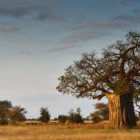
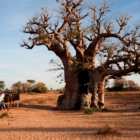
- Baobab (Adansonia digitata): The baobab tree is a symbol of Zimbabwe and is found in the Lowveld and Middleveld regions. These massive, bottle-shaped trees can live for thousands of years and are adapted to the dry conditions of the savanna.
- Mopane (Colophospermum mopane): The mopane tree is a dominant species in the Lowveld, forming dense stands known as "mopane scrub." The tree is adapted to hot, dry conditions and is an important source of food for various insects and animals.
- Msasa (Brachystegia spiciformis): The msasa tree is a characteristic species of the Miombo woodlands found in the Highveld. Its distinctive rust-colored foliage turns the landscape into a vibrant display during the dry season.
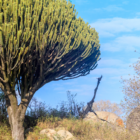
- Euphorbia ingens: This succulent tree, commonly known as the candelabra tree, is found in the Lowveld and is adapted to the hot, dry conditions. Its striking, branched appearance makes it a unique addition to the landscape.
Adaptations to the Environment
Zimbabwe's plant species have evolved various adaptations to cope with the country's challenging environmental conditions:
- Drought resistance: Many plants in the drier regions of Zimbabwe, such as the baobab and mopane, have developed strategies to conserve water, such as thick bark, reduced leaf surface area, and the ability to shed leaves during the dry season.
- Fire resistance: Fires are a common occurrence in Zimbabwe's savannas and grasslands. Some plants, like the msasa tree, have adapted by developing thick bark that protects the cambium layer from damage.
- Nutrient conservation: In nutrient-poor soils, plants have developed strategies to conserve and recycle nutrients, such as the formation of mycorrhizal associations and the efficient use of available nutrients.
Conservation Efforts
Zimbabwe has made significant efforts to protect its plant biodiversity through a network of national parks, botanical gardens, and conservation areas. The Harare Botanical Garden and the Ewanrigg Botanical Garden in Mutare showcase the country's diverse flora and serve as important educational and research institutions.Despite these efforts, Zimbabwe's plant biodiversity faces threats from habitat loss, invasive species, and climate change. Ongoing conservation efforts aim to protect endangered species, restore degraded habitats, and promote sustainable land use practices.
Unique Flora Species of Zimbabwe
Zimbabwe's diverse landscapes, ranging from savannas and woodlands to mountains and wetlands, support a rich variety of flora. The country is home to numerous plant species, some of which are endemic or near-endemic, contributing to its ecological significance. This section explores the unique flora species found in Zimbabwe, highlighting their characteristics, habitats, and ecological importance.
Endemic and Near-Endemic Plant Species
- Zimbabwean Baobab (Adansonia digitata):
- The baobab tree is one of Zimbabwe's most iconic plant species. While not exclusive to Zimbabwe, the baobab found here is a significant representation of the species in southern Africa. Known for its massive trunk and longevity, the baobab can live for over a thousand years. It is well-adapted to arid conditions and stores water in its trunk, making it a vital resource for wildlife and local communities. The tree's fruit is rich in vitamin C and is often harvested for its nutritional value.
- Msasa Tree (Brachystegia spiciformis):
- The msasa tree is a characteristic species of the Miombo woodlands, which cover significant portions of Zimbabwe. Known for its striking rust-coloured foliage, the msasa is deciduous and sheds its leaves in the dry season, creating a vibrant display. The tree plays a crucial role in the local ecosystem, providing habitat and food for various wildlife species, including birds and insects.
- Mopane Tree (Colophospermum mopane):
- The mopane tree is a dominant species in the Lowveld region and is well-known for its distinctive butterfly-shaped leaves. This drought-resistant tree is a vital source of food for elephants and other herbivores. Mopane woodlands support a range of wildlife and are important for conservation efforts, particularly in areas like Hwange National Park.
- Matobo Flat Gecko Plant (Afroedura pondolia):
- This plant species is associated with the Matobo Hills and is adapted to the rocky outcrops and dry conditions of the area. It is an example of the unique flora that has evolved in this specific habitat, showcasing the relationship between plant life and local fauna.
- Euphorbia ingens (Candelabra Tree):
- The candelabra tree is a succulent species found in the drier regions of Zimbabwe. Its striking, branched appearance makes it a distinctive feature of the landscape. The tree is well-adapted to arid conditions and provides shelter and food for various wildlife species.
Flora of Specific Regions
- Eastern Highlands:
- The Eastern Highlands are known for their montane forests, which host a variety of unique plant species. Notable flora includes Podocarpus trees, which are evergreen conifers, and various ferns and orchids. The region's higher rainfall supports lush vegetation, making it a biodiversity hotspot.
- Matobo Hills:
- The Matobo Hills are home to a unique assemblage of flora adapted to the rocky terrain. The area features a mix of woodland and grassland species, including various acacias and shrubs. The rich biodiversity of the Matobo Hills is complemented by the presence of ancient rock art and significant archaeological sites.
- Zambezi Valley:
- The Zambezi Valley is characterized by its floodplain vegetation, including papyrus and reeds, which provide critical habitats for birds and aquatic life. The valley's diverse ecosystems support a range of plant species adapted to wetland conditions.
Conservation and Threats
Zimbabwe's unique flora faces several threats, including habitat loss due to agricultural expansion, deforestation, and climate change. Conservation efforts are essential to protect these plant species and their ecosystems. Initiatives include:
- Protected Areas: National parks and reserves, such as Hwange National Park and Matobo National Park, play a crucial role in conserving Zimbabwe's flora and fauna. These protected areas provide habitats for endemic species and promote biodiversity.
- Community Involvement: Engaging local communities in conservation efforts is vital for the sustainable management of natural resources. Education and awareness campaigns help communities understand the importance of preserving their local flora.
- Research and Monitoring: Ongoing research into Zimbabwe's plant species and ecosystems is essential for effective conservation strategies. Monitoring programs help track changes in plant populations and assess the impacts of environmental threats.

Ancient Origins and Pre-Colonial History of Zimbabwe
Zimbabwe possesses a rich and complex history stretching back millennia. The region has been inhabited since prehistoric times, laying the foundations for the remarkable civilisations that would follow. This section delves into Zimbabwe’s ancient origins and pre-colonial past, exploring the key developments that shaped its cultural and political landscape. Shaped by a complex interplay of environmental, cultural, and economic factors, Zimbabwe’s early history saw the emergence of hunter-gatherer communities and, subsequently, powerful kingdoms such as Great Zimbabwe and Mutapa. These ancient civilisations left an enduring legacy that continues to influence the nation’s identity.
Zimbabwe’s archaeological treasures serve as a testament to the ingenuity and resilience of its people. By studying these remnants, we gain a deeper understanding of the country’s past and its place within the broader tapestry of African history.
Early Inhabitants
Archaeological evidence suggests that the area now known as Zimbabwe has been inhabited for at least 500,000 years. The earliest known inhabitants were the San people, also referred to as Bushmen, who were hunter-gatherers. They left behind a legacy of rock art, arrowheads, and tools, which provide valuable insights into their way of life and interactions with the environment.Around 2,000 years ago, the first Bantu-speaking farmers began to migrate into the region as part of the larger Bantu expansion. These early agricultural societies introduced farming and animal husbandry, transforming the landscape and establishing more permanent settlements. The Bantu peoples brought with them new technologies, including pottery and ironworking, which significantly influenced the development of local cultures.
The Rise of the Shona Civilisations
By the 9th century, societies speaking proto-Shona languages began to emerge in the middle Limpopo River valley. These groups gradually migrated to the Zimbabwean highlands, where they established complex societies. The Zimbabwean plateau became the centre of subsequent Shona states, which developed from around the 10th century onwards.
Kingdom of Mapungubwe
The Kingdom of Mapungubwe, which flourished from the 11th to the 13th centuries, is considered one of the first major civilisations in the region. Located in the Limpopo Valley, Mapungubwe was strategically positioned for trade with Arab merchants along the Indian Ocean coast. The kingdom became a significant trading centre, known for its wealth in gold, ivory, and other valuable resources. The archaeological remains of Mapungubwe reveal sophisticated social structures and advanced stone architecture, marking it as a precursor to the later Kingdom of Zimbabwe.
Great Zimbabwe: The Pinnacle of Shona Civilisation
The Kingdom of Zimbabwe emerged around the early 13th century, eclipsing Mapungubwe as the dominant power in the region. The city of Great Zimbabwe, located near modern-day Masvingo, became the political, economic, and cultural centre of the kingdom.
Architectural Achievements
Great Zimbabwe is renowned for its impressive stone ruins, which showcase the advanced engineering and architectural skills of its builders. The city was constructed using a unique dry stone technique, with massive granite blocks stacked without mortar. The most notable structures include the Great Enclosure and the Hill Complex, which served as royal residences and ceremonial sites. At its peak, Great Zimbabwe housed a population estimated at around 20,000 people, making it one of the largest urban centres in Africa during its time.
Trade and Economy
The prosperity of Great Zimbabwe was largely built on its extensive trade networks. The kingdom engaged in long-distance trade with regions as far away as China, India, and the Middle East, exchanging gold, ivory, and copper for textiles, glass, and other luxury goods. Archaeological excavations have uncovered a wealth of artefacts, including Persian bowls, Chinese porcelain, and glass beads, which testify to the city's active participation in regional and international trade.
Decline and Transition
By the mid-15th century, Great Zimbabwe began to decline, attributed to a combination of factors, including environmental changes, overgrazing, and depletion of resources. The decline of the city led to the migration of its inhabitants, many of whom moved to the north and established the Kingdom of Mutapa in the Zambezi Valley. The Mutapa Empire, which flourished from the 15th to the 17th centuries, continued the legacy of trade and cultural exchange, maintaining connections with Arab and Portuguese traders.
Cultural Diversity and Ethnic Groups
Pre-colonial Zimbabwe was characterised by a rich tapestry of cultures and ethnic groups. The Shona people, who make up the majority of Zimbabwe's population today, were divided into various sub-groups, each with distinct languages, customs, and traditions. These included the Zezuru, Karanga, Manyika, and Korekore, among others. The interactions among these groups were marked by both cooperation and conflict, contributing to the dynamic social landscape of the region.
Zimbabwe's Modern History
Zimbabwe’s modern history has been a tumultuous journey marked by significant political, social, and economic changes. Since the late nineteenth century, the nation has undergone a transformation from colonial rule to independence, facing numerous challenges along the way.
The legacy of colonialism, the struggle for liberation, and subsequent crises have profoundly shaped Zimbabwe’s identity. As the country navigates its path forward, understanding this complex history is crucial to addressing current challenges and building a prosperous future for all citizens.
Colonial Era (1890–1980)
British Colonisation
The late 19th century saw the arrival of European powers in southern Africa, driven by the quest for resources and territorial expansion. In 1888, British diamond magnate Cecil Rhodes obtained a concession from King Lobengula of the Ndebele people, allowing him to exploit mineral resources in the region. This concession paved the way for the establishment of the British South Africa Company (BSAC), which began to assert control over the territory.In 1890, Rhodes led the Pioneer Column into the region, claiming land for the British Crown and establishing the colony of Southern Rhodesia. The name "Rhodesia" was adopted in honour of Rhodes, and the territory was officially designated as Southern Rhodesia in 1898. The colonisation process involved the displacement of local populations, particularly the Shona and Ndebele peoples, who resisted encroachment on their lands.
The First Chimurenga (1896–1897)
The indigenous populations of Zimbabwe, particularly the Shona and Ndebele, mounted resistance against British colonial rule in a series of uprisings known as the First Chimurenga (or First War of Independence). The uprisings, which occurred from 1896 to 1897, were driven by grievances over land dispossession, forced labour, and oppressive taxation. Despite initial successes, the uprisings were ultimately suppressed by the superior military technology of the British forces, leading to the consolidation of colonial rule.
Interwar Period and Economic Development
Following the suppression of the First Chimurenga, Southern Rhodesia entered a period of relative stability under colonial administration. The economy began to develop, primarily based on agriculture, mining, and infrastructure projects. The discovery of gold and other minerals attracted European settlers, and the economy became increasingly reliant on the extraction of natural resources.However, the benefits of economic development were unevenly distributed, with the white minority enjoying privileged access to land, education, and political power. In contrast, the majority black population faced systemic discrimination and marginalisation, leading to growing discontent and calls for political reform.
The Rise of Nationalism (1940s–1960s)
The mid-20th century saw the emergence of nationalist movements in Zimbabwe, driven by a desire for independence and self-determination. The Second World War and the subsequent decolonisation wave across Africa inspired many Zimbabweans to challenge colonial rule.In the 1950s, political organisations such as the Zimbabwe African National Union (ZANU) and the Zimbabwe African People's Union (ZAPU) were formed to advocate for the rights of black Zimbabweans and push for independence. The nationalist movements gained momentum, culminating in widespread protests and civil disobedience against colonial policies.
Unilateral Declaration of Independence (1965)
In 1965, the white-minority government of Ian Smith unilaterally declared independence from Britain, establishing the state of Rhodesia. This declaration was not recognised by the international community, leading to economic sanctions and diplomatic isolation. The declaration was a response to growing pressure for majority rule and the impending loss of white political power.The declaration sparked a protracted conflict known as the Rhodesian Bush War (or Second Chimurenga), as nationalist groups, including ZANU and ZAPU, intensified their armed struggle against the Smith regime. The conflict was marked by guerrilla warfare, human rights abuses, and significant loss of life on both sides.
The Liberation War (1970s)
The 1970s saw an escalation of the liberation struggle, with increasing support for the nationalist movements from neighbouring countries and the international community. The war became a focal point for anti-colonial sentiment in southern Africa, with Zimbabwean nationalists receiving military training and support from countries such as Mozambique and Zambia.The conflict led to widespread violence and displacement, with both the nationalist forces and government troops committing atrocities. The war also had a profound impact on the civilian population, as many Zimbabweans were forced to flee their homes or live in refugee camps.
Transition to Independence (1980)
The liberation struggle ultimately forced the Smith government to negotiate with nationalist leaders. The Lancaster House Agreement, reached in late 1979, paved the way for a ceasefire and the holding of free and fair elections.On 18 April 1980, Zimbabwe officially gained independence, with Robert Mugabe, the leader of ZANU, becoming the country's first Prime Minister. The transition to independence was celebrated as a momentous achievement for the people of Zimbabwe, marking the end of decades of colonial rule and conflict.
Post-Independence Era (1980–2000)
In the years following independence, Zimbabwe experienced significant social and economic changes. The new government implemented land reform policies aimed at redistributing land from white farmers to black Zimbabweans. However, the process was often marred by violence and corruption, leading to tensions between different ethnic groups and political factions.Mugabe's government initially enjoyed widespread support, but over time, political repression, economic mismanagement, and human rights abuses began to erode public confidence. The economy, which had been one of the most prosperous in Africa, began to decline due to factors such as drought, hyperinflation, and the impact of international sanctions.
The Crisis Years (2000–2008)
The early 2000s marked a period of severe economic and political crisis in Zimbabwe. In 2000, the government launched a controversial land reform programme that involved the forcible seizure of white-owned farms. This led to widespread violence, loss of agricultural production, and the collapse of the commercial farming sector.The political landscape became increasingly volatile, with opposition parties, such as the Movement for Democratic Change (MDC), gaining traction against Mugabe's ruling party, ZANU-PF. The 2008 elections were marred by violence and allegations of electoral fraud, leading to a power-sharing agreement between Mugabe and MDC leader Morgan Tsvangirai.
Zimbabwe: A Nation in Transition
Once a regional breadbasket, Zimbabwe has undergone significant transformations in recent years. Political upheaval, economic hardship, and social change have created a complex landscape shaped by historical legacies, contemporary challenges, and a yearning for stability.
Zimbabwe operates as a presidential republic with President Emmerson Mnangagwa, who took power in 2017, at the helm. However, his administration faces criticism for handling human rights, political freedoms, and the economy. The ruling party, ZANU-PF, maintains a tight grip, stifling opposition through alleged state resource manipulation and control over media and elections. The opposition MDC struggles to gain traction in this environment. This ongoing political tension fuels uncertainty and public disillusionment.
Zimbabwe's economy has been battered since the early 2000s, particularly after the controversial land reform program. Food production plummeted, transforming the nation from exporter to a country struggling with food insecurity. Hyperinflation rendered the Zimbabwean dollar worthless, leading to the adoption of foreign currencies in 2009. Despite some reforms and efforts to attract investment, the economy remains unstable. High unemployment, exceeding 80%, and persistent inflation exacerbate poverty and limit access to essential services.
Zimbabwe grapples with a struggling healthcare system, once a regional leader, now hampered by underfunding, brain drain, and inadequate infrastructure. Access to quality healthcare is limited. Education, historically a national priority, has declined due to economic constraints. Though literacy rates remain high, many schools lack resources and qualified teachers. Human rights concerns persist with reports of political violence and restrictions on freedoms. Civil society faces pressure, shrinking the space for dissent.
Despite these challenges, Zimbabwe boasts a rich cultural tapestry with over a dozen ethnic groups. A vibrant arts scene thrives, showcasing traditional music, dance, and crafts through festivals like the Harare International Festival of the Arts. Historical and archaeological sites like Great Zimbabwe and the Matobo Hills remain a source of pride and attract tourists, contributing to the economy.
Zimbabwe stands at a crossroads. The legacy of its past intertwines with the fight for a more stable and prosperous future. Political reform, economic revitalization, and a commitment to human rights and social justice are crucial for a brighter future. This journey demands collective effort from all sectors of Zimbabwean society.