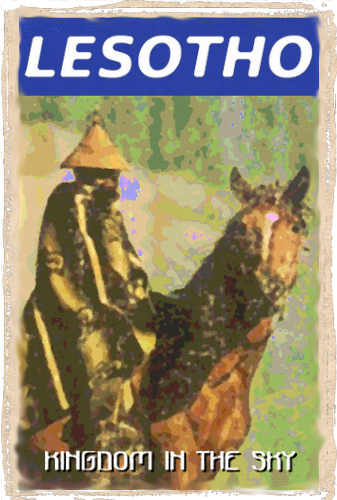
The Kingdom of Lesotho, uniquely the only country in the world entirely surrounded by another nation, South Africa, is often referred to as the “Kingdom in the Sky” due to its high-altitude terrain, with much of its land exceeding 1,300 metres above sea level. This remarkable destination offers a wealth of experiences, from breathtaking mountain vistas and exhilarating outdoor adventures such as hiking, pony trekking, and exploring national parks, to a rich cultural heritage deeply rooted in the traditions of the Basotho people, known for their warm hospitality and vibrant customs, music, and crafts. Visitors can immerse themselves in local communities, learning about their history and way of life, while also taking in the dramatic contrasts of Lesotho’s landscapes, which range from lush valleys to rocky outcrops. The country’s climate is equally diverse, varying dramatically between warm, wet summers from October to April, often punctuated by thunderstorms that bring a lush greenery, and cool, snowy winters from May to September, making Lesotho a captivating and unforgettable place to discover throughout the year.
Lesotho, often referred to as the "Kingdom in the Sky," is a landlocked nation nestled within South Africa, renowned for its breathtaking mountainous landscapes and unique climate. The country's elevation, with most of its territory sitting above 1,800 metres, significantly influences its weather patterns, creating a temperate climate that is both inviting and unpredictable. Lesotho's climate is as diverse as its stunning landscapes, offering something for every type of traveller. From the sun-drenched summer days to the crisp, clear winter nights, the Kingdom in the Sky invites exploration and adventure. Whether you are trekking through its majestic mountains or enjoying the rich cultural heritage of its people, understanding the climate will enhance your experience in this remarkable country. With its temperate climate and breathtaking scenery, Lesotho truly stands out as a unique destination waiting to be discovered.
Seasonal Overview
Lesotho experiences four distinct seasons, with summer and winter occurring at opposite times to those in the northern hemisphere. The summer months, from November to March, are characterised by warm temperatures and a higher likelihood of rainfall, while the winter months, from April to September, are generally dry and cooler.
Summer (November to March)
During the summer, daytime temperatures can soar, reaching highs of up to 28°C in the capital, Maseru. This season is marked by regular afternoon thunderstorms, which can provide much-needed moisture to the dry landscape. Despite the rain, sunny days are plentiful, making it an excellent time for outdoor activities and exploration. However, visitors should be prepared for sudden weather changes, as conditions can shift rapidly, especially in the mountainous regions.
The average rainfall during these months can be quite significant, with January often recording the highest precipitation levels, averaging around 194 mm. The lush, vibrant scenery that emerges from this rainfall is a highlight for many travellers, showcasing the natural beauty of Lesotho.
Winter (April to September)
In contrast, winter in Lesotho is a time of stark beauty. The landscape transforms as the dry conditions prevail, and temperatures can drop significantly, especially at night. Daytime highs typically range from 15°C to 19°C, while nights can see temperatures plummet to around freezing, particularly in higher altitudes. Snowfall is not uncommon in the mountainous areas, adding a magical touch to the scenery.
The winter months are generally dry, making them ideal for those who prefer cooler weather and clear skies. The absence of rain allows for excellent visibility, perfect for hiking and sightseeing in the stunning national parks and along the famed Sani Pass.
Best Time to Visit
The best time to visit Lesotho largely depends on the traveller’s preferences. For those who enjoy warm weather and vibrant landscapes, the summer months are ideal. However, for visitors seeking a more tranquil experience with fewer crowds, the shoulder seasons of spring (September to November) and autumn (March to May) offer milder temperatures and manageable rainfall.
In general, Lesotho is a year-round destination, but it is wise to pack accordingly. Summer visitors should bring light clothing for the day and warmer layers for the cooler evenings. In contrast, winter travellers will need to prepare for cold temperatures, especially in the higher elevations, where a down jacket and thermal wear are advisable.
The Maluti Mountains in Lesotho are a stunning natural wonder, offering visitors a wealth of breathtaking scenery and a diverse array of outdoor activities. This majestic mountain range, characterised by its dramatic peaks and lush valleys, is a paradise for nature enthusiasts and adventure seekers alike. Here’s an in-depth look at what makes the Maluti Mountains such a captivating destination. With their diverse landscapes and vibrant ecosystems, the Maluti Mountains invite exploration and discovery, making them an essential highlight for anyone visiting this enchanting kingdom.
Scenic Drives
The Maluti Mountains are renowned for their picturesque landscapes, and one of the best ways to experience this beauty is through scenic drives. The winding roads that traverse the mountains offer panoramic views of the rugged terrain, with each turn revealing new vistas of rolling hills, rocky outcrops, and vibrant valleys. These drives are not only visually stunning but also provide opportunities to stop at various lookout points, where visitors can capture the breathtaking scenery with their cameras. The changing light throughout the day adds to the allure, with early morning mists and golden sunsets creating magical moments.
Horseback Riding
Horseback riding is a quintessential way to explore the Maluti Mountains, allowing visitors to connect with the landscape in a unique and intimate manner. Pony trekking is particularly popular, with guided tours that take riders through the stunning terrain. As you ride along the trails, you’ll have the chance to traverse lush green valleys, navigate rocky paths, and discover hidden waterfalls. The rhythmic sound of hooves against the earth and the fresh mountain air create an unforgettable experience. Local guides often share stories about the area’s history and culture, enriching the journey with insights into the Basotho way of life.
Hiking Trails
The Maluti Mountains boast an extensive network of hiking trails that cater to all skill levels, from leisurely walks to challenging treks. Hikers can immerse themselves in the natural beauty of the region, with trails that wind through diverse ecosystems, including grasslands, forests, and rocky outcrops. One of the highlights is the hike to the summit of Thabana Ntlenyana, the highest peak in Southern Africa, which offers breathtaking views of the surrounding landscape. Along the way, hikers may encounter unique flora and fauna, including endemic plant species and various birdlife, making the experience both scenic and educational.
Adventure Activities
For those seeking an adrenaline rush, the Maluti Mountains provide ample opportunities for adventure sports. Rock climbing and abseiling are popular activities, with several routes available for climbers of varying abilities. The rugged cliffs and crags present challenges that thrill-seekers will relish. Additionally, mountain biking trails offer a thrilling way to explore the terrain, allowing cyclists to navigate the winding paths and steep inclines at their own pace. Each adventure is set against the backdrop of stunning mountain scenery, making every moment exhilarating.
Cultural Encounters
The Maluti Mountains are not just about natural beauty; they are also rich in cultural heritage. The region is home to the Basotho people, known for their warm hospitality and vibrant traditions. Visitors can engage with local communities, experiencing their way of life firsthand. Cultural tours often include visits to traditional homesteads, where guests can enjoy local cuisine, learn about traditional crafts, and participate in cultural ceremonies. This immersive experience provides a deeper understanding of the Basotho culture and strengthens the connection between visitors and the local community.
Wildlife Watching
Wildlife enthusiasts will find the Maluti Mountains to be a rewarding destination for birdwatching and wildlife observation. The region is home to a variety of bird species, including the majestic Cape vulture and the elusive Drakensberg rockjumper. Nature walks and guided birdwatching tours offer opportunities to spot these and other fascinating species in their natural habitats. Additionally, small mammals and unique plant life can be observed, making the mountains a haven for those interested in biodiversity.
Photography Opportunities
With its dramatic landscapes, vibrant sunsets, and rich cultural scenes, the Maluti Mountains provide endless opportunities for photography. Whether capturing the rugged terrain, the intricate details of local crafts, or the breathtaking views from mountain summits, photographers will find inspiration at every turn. The interplay of light and shadow, particularly during sunrise and sunset, creates a magical atmosphere that is perfect for both amateur and professional photographers.
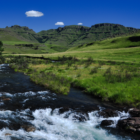
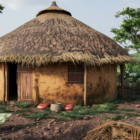
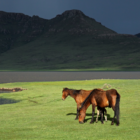
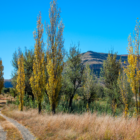
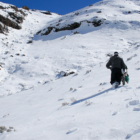
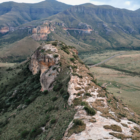
Sehlabathebe National Park, spanning approximately 16,000 acres, is a breathtaking sanctuary for nature lovers, situated in the heart of the Maloti Mountains in Lesotho. Established in 1969, this park is not only a haven for outdoor enthusiasts but also a UNESCO World Heritage Site, recognised for its ecological significance and stunning landscapes. Here’s a deeper exploration of what makes Sehlabathebe National Park a must-visit destination. Sehlabathebe National Park is a remarkable destination that encapsulates the essence of Lesotho’s natural heritage. With its stunning landscapes, diverse ecosystems, and rich cultural history, the park offers an unforgettable experience for all who visit. Whether you’re hiking through its breathtaking trails, birdwatching, exploring ancient rock art, or simply soaking in the tranquillity of the wilderness, Sehlabathebe National Park promises to leave a lasting impression, making it a highlight of any journey through this enchanting kingdom.
Unique Rock Formations
One of the park’s most striking features is its unique rock formations, which have been sculpted over millennia by natural forces. The dramatic cliffs, towering sandstone pillars, and intricate arches create a surreal landscape that captivates visitors. These geological wonders are not just visually stunning; they also offer opportunities for exploration and adventure. The formations provide excellent climbing and scrambling challenges for those seeking a more active experience. As you navigate through the park, you’ll encounter hidden caves and overhangs, each telling a story of the earth’s geological history.
Diverse Flora and Fauna
Sehlabathebe National Park is a biodiversity hotspot, boasting a rich tapestry of flora and fauna that thrives in its varied ecosystems. The park is home to over 200 plant species, many of which are endemic to the region. Visitors can admire vibrant wildflowers, hardy alpine plants, and unique vegetation that have adapted to the high-altitude environment.
Wildlife is abundant, with mammals such as the grey rhebok, mountain reedbuck, and the elusive black-backed jackal roaming the park. The park is particularly renowned for its avian diversity, making it a paradise for birdwatchers. Species such as the endangered bearded vulture, Cape vulture, and various endemic birds can be spotted soaring above the cliffs or nesting in the rocky outcrops. Birdwatching enthusiasts can enjoy guided tours that enhance the experience, providing insights into the behaviours and habitats of these fascinating creatures.
Excellent Hiking Trails
The park offers an extensive network of well-marked hiking trails that cater to all levels of hikers, from beginners to seasoned trekkers. These trails meander through stunning landscapes, leading to breathtaking viewpoints, cascading waterfalls, and pristine rivers. One of the most popular hikes is the trail to the Tsoelikana River, where hikers can enjoy the serenity of flowing water and the surrounding natural beauty.
For those interested in a more immersive experience, multi-day hikes can be arranged, allowing visitors to camp under the stars and fully appreciate the tranquility of the park. The high-altitude trails often reward hikers with panoramic views of the Maloti Mountains, especially during sunrise and sunset, when the landscape is bathed in golden light.
Cultural Heritage
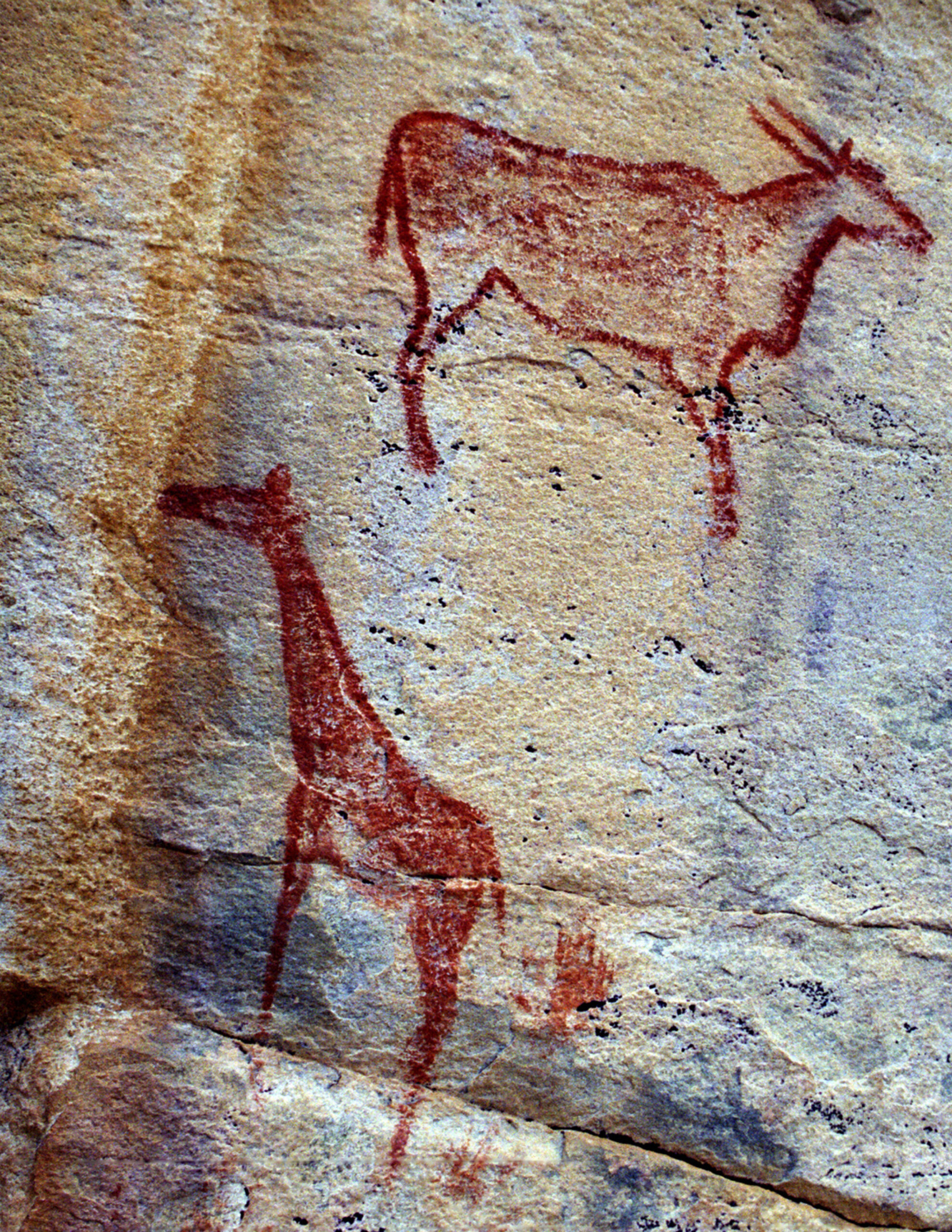
Sehlabathebe National Park is not only a natural wonder but also a site rich in cultural heritage. The park is home to numerous ancient rock art sites, with over 97 locations featuring paintings created by the San people, the region’s original inhabitants. These artworks, which depict animals, human figures, and abstract designs, provide a fascinating glimpse into the spiritual and cultural lives of the San. Guided tours to these rock art sites offer visitors a chance to learn about the history and significance of these ancient expressions, deepening their understanding of the region’s cultural heritage.
Remote and Pristine Wilderness
One of the park’s most appealing aspects is its remote and pristine wilderness. With much of the area designated as a wilderness zone, visitors can experience the tranquillity of nature, far removed from the distractions of modern life. The park’s high altitude, ranging from 2,200 to 2,600 metres, contributes to its unique climate, characterised by cool temperatures and distinct wet and dry seasons. This climate not only supports diverse ecosystems but also creates a serene atmosphere that enhances the overall experience of visiting the park.
Conservation Efforts
Sehlabathebe National Park is committed to conservation and sustainable tourism. Efforts are in place to protect the park’s unique ecosystems and wildlife, ensuring that future generations can enjoy its natural beauty. The park collaborates with local communities to promote eco-friendly practices and raise awareness about the importance of preserving this remarkable environment.
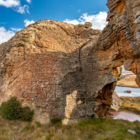
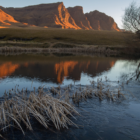
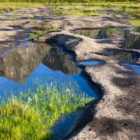
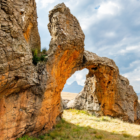
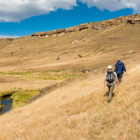
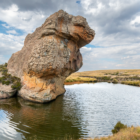
Malealea is a captivating village nestled within the powerful and picturesque Maloti Mountains of Lesotho, making it an ideal starting point for a range of outdoor adventures, particularly pony trekking. This charming settlement is a hidden gem that offers visitors a unique opportunity to immerse themselves in the breathtaking landscapes and rich cultural heritage of the region. With its breathtaking mountain scenery, welcoming community, and opportunities for adventure, it serves as an ideal base for those looking to explore the “Kingdom in the Sky.” Whether you’re trekking through the valleys on horseback, engaging with local traditions, or simply soaking in the stunning landscapes, Malealea promises an unforgettable experience that will leave a lasting impression on all who visit.
Gateway to Pony Trekking Adventures
Pony trekking in Malealea is a quintessential experience that allows visitors to explore the stunning terrain while riding the sure-footed Basotho ponies, renowned for their strength and agility in the mountainous landscape. Guided treks are available, catering to all skill levels, from beginners to seasoned riders. As you ride through the valleys and hills, you’ll be treated to panoramic views of the dramatic mountains, lush green pastures, and traditional Basotho homesteads. The gentle pace of pony trekking also allows for a deeper appreciation of the natural beauty surrounding you, as well as the chance to spot local wildlife and diverse flora.
Cultural Immersion
The village of Malealea is not just about stunning landscapes; it is also a vibrant hub of Basotho culture. Visitors have the opportunity to engage with the local community, gaining insights into the traditional ways of life that have been preserved for generations. Many local families welcome guests into their homes, offering a glimpse into their daily routines, crafts, and culinary traditions. You might find yourself sharing stories over a cup of traditional Lesotho tea or enjoying a meal featuring local ingredients.
Cultural experiences in Malealea often include visits to nearby traditional villages, where you can witness the craftsmanship of local artisans who create beautifully woven baskets, beadwork, and pottery. Participating in cultural events or festivals, if your visit coincides with one, can provide an even deeper understanding of the rich heritage of the Basotho people.
Natural Wonders
In addition to pony trekking, Malealea is surrounded by stunning natural attractions that are well worth exploring. The nearby Botsoe Waterfall is a highlight, offering a serene spot for relaxation and reflection. The sound of cascading water and the lush greenery create a tranquil atmosphere, perfect for picnicking or simply enjoying the beauty of nature.
The region is crisscrossed with hiking trails that lead to breathtaking viewpoints and hidden gems. Whether you choose a leisurely walk or a more challenging hike, the trails offer opportunities to experience the diverse ecosystems of the Maloti Mountains, from rocky outcrops to verdant valleys. Along the way, you may encounter various bird species, small mammals, and unique plant life, making it a rewarding experience for nature enthusiasts.
Malealea Lodge
The Malealea Lodge serves as a welcoming retreat for visitors, providing comfortable accommodation and a warm atmosphere. The lodge is designed to reflect the traditional Basotho style while offering modern amenities to ensure a pleasant stay. After a day of adventure, guests can enjoy hearty meals prepared with fresh, local ingredients, often featuring traditional dishes that showcase the flavours of Lesotho.
The lodge also offers various activities and excursions, including guided tours, cultural experiences, and adventure sports, ensuring that guests have a well-rounded experience during their stay. The friendly staff are knowledgeable about the area and can provide valuable insights and recommendations for exploring the surrounding landscape.
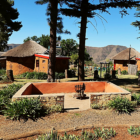

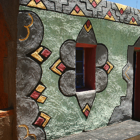
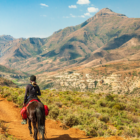
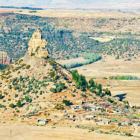
Thaba Bosiu, translating to “Mountain at Night,” is a significant sandstone plateau located approximately 24 kilometres east of Maseru, the capital of Lesotho. Rising to an elevation of 1,804 metres, this iconic site is not only a natural fortress but also a pivotal historical and cultural landmark for the Basotho people. Here’s an in-depth exploration of Thaba Bosiu and its importance. Thaba Bosiu is more than just a mountain; it is a symbol of resilience, heritage, and unity for the Basotho people. Its historical significance as the birthplace of the Basotho nation and the resting place of its leaders makes it a must-visit site for anyone seeking to understand the rich cultural tapestry of Lesotho. Whether you are hiking to the summit, exploring the cultural village, or participating in local traditions, a visit to Thaba Bosiu promises a profound and enriching experience that connects you to the heart of Lesotho’s history and culture.
Historical Significance
Thaba Bosiu served as the stronghold for King Moshoeshoe I, the founder of the Basotho nation, during the 19th century. Established in 1824, this plateau provided a strategic military advantage, allowing Moshoeshoe and his followers to defend against various threats, including incursions from rival tribes and colonial forces. The natural cliffs surrounding the plateau made it nearly impregnable, and the area was well-supplied with fresh water from natural springs, enabling the Basotho to sustain livestock and crops.The site is steeped in legend, with local oral traditions suggesting that the mountain was named due to the belief that it grew taller at night, a tale propagated by Moshoeshoe to deter enemies from attempting a nocturnal siege. This clever strategy contributed to the mountain’s reputation as a formidable fortress, and it played a crucial role in the establishment of the Basotho nation.
Cultural Heritage
Today, Thaba Bosiu is not only a historical site but also a cultural symbol for the Basotho people. It is the final resting place for many of Lesotho’s kings and queens, with their graves located on the plateau. This connection to the past makes Thaba Bosiu a site of pilgrimage and reverence for the Basotho, who come to honour their ancestors and reflect on their rich heritage.Adjacent to the mountain, the Thaba Bosiu Cultural Village provides visitors with a modern interpretation of traditional Sotho architecture. This innovative complex includes a replica of a traditional Basotho village, showcasing mud and thatch homesteads, and an informative museum dedicated to the life and legacy of King Moshoeshoe I. The cultural village offers a deeper understanding of the customs, traditions, and history of the Basotho people, making it an essential component of any visit to Thaba Bosiu.
Visiting Thaba Bosiu
Visitors to Thaba Bosiu can begin their journey at the Visitor Centre, where they can learn about the history of the site and the significance of King Moshoeshoe I. From there, a steep but manageable footpath leads to the plateau, where hikers are rewarded with stunning panoramic views of the surrounding landscape. The climb is not only a physical journey but also a symbolic one, as visitors ascend to a place of great historical importance.Once atop the plateau, guests can explore the remnants of ancient villages and the graves of Sotho chiefs, which serve as poignant reminders of the area’s rich history. The expansive flat-topped summit offers breathtaking views in all directions, with the iconic Mount Qiloane, a conical sandstone pillar, visible to the east. This distinctive landmark is said to have inspired the design of the traditional Basotho mokorotlo, or straw hat.
Activities and Experiences
Thaba Bosiu is an ideal destination for those interested in history, culture, and nature. In addition to hiking and exploring the plateau, visitors can participate in cultural performances held in the nearby amphitheatre, which often feature traditional Basotho music and dance. These events provide an engaging way to experience the vibrant culture of the Basotho people.For those looking to extend their stay, the Thaba Bosiu Cultural Village offers comfortable accommodation options, allowing visitors to immerse themselves in the rural setting and enjoy the peaceful surroundings. The on-site restaurant serves traditional Basotho cuisine, giving guests a taste of local flavours.

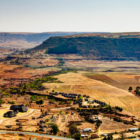
Bokong Nature Reserve, nestled in the heart of Lesotho’s majestic Maloti Mountains, is a true gem for nature enthusiasts and outdoor adventurers. This stunning protected area, spanning an impressive 5,000 hectares, is renowned for its diverse ecosystems, breathtaking landscapes, and unique wildlife. Bokong Nature Reserve is a true gem of Lesotho’s natural heritage, offering visitors a chance to experience the stunning landscapes and diverse ecosystems of the Maloti Mountains. Whether you’re hiking through the reserve’s alpine meadows, spotting unique wildlife, or simply taking in the breathtaking views, Bokong promises an unforgettable experience that will leave a lasting impression on all who visit. As part of the larger Maloti-Drakensberg World Heritage Site, Bokong Nature Reserve is a must-visit destination for anyone exploring the “Kingdom in the Sky.”
Diverse Ecosystems
One of the key features of Bokong Nature Reserve is the incredible diversity of ecosystems found within its borders. The reserve is home to a range of habitats, each supporting its own unique flora and fauna. The Afro-alpine wetlands, found at the sources of the Bokong and Lepaqoa rivers, are particularly noteworthy, with their lush vegetation and crystal-clear waters. These wetlands provide critical habitat for a variety of plant and animal species, many of which are found nowhere else on Earth.The montane grasslands, which cover much of the reserve, are another important ecosystem. These high-altitude meadows are home to a wide range of grasses and wildflowers, as well as the endemic Lesotho Highlands ice rat. The heathland boulder beds, found in the higher reaches of the reserve, are characterized by their unique rock formations and hardy, low-growing vegetation.
Stunning Landscapes
Bokong Nature Reserve is renowned for its breathtaking landscapes, which range from rugged mountain peaks to serene alpine lakes. One of the most impressive sights is the Lepaqoa Waterfall, which plunges over a sheer cliff face into a deep pool below. During the winter months, the waterfall freezes into a stunning column of ice, creating a magical and otherworldly scene.The reserve’s visitor center, perched on the edge of a cliff overlooking the Lepaqoa Valley, offers stunning panoramic views of the surrounding mountains. From this vantage point, visitors can take in the full majesty of the Maloti Mountains, with their jagged peaks and rolling foothills.
Hiking and Trekking
Bokong Nature Reserve is a paradise for hikers and trekkers, with a network of trails that cater to all skill levels. The reserve’s short interpretive walks are perfect for those looking to explore the immediate vicinity of the visitor center, while the multi-day hikes offer a more immersive experience of the reserve’s diverse landscapes.One of the most popular routes is the 2-3 day trek along the alpine plateau to Ts’ehlanyane National Park. This challenging but rewarding hike takes trekkers through some of the most remote and pristine areas of the Maloti Mountains, with stunning views of the surrounding peaks and valleys. For those who prefer a more leisurely pace, pony trekking is also available, allowing visitors to explore the reserve’s rugged terrain on horseback.
Wildlife Viewing
Despite its high-altitude location, Bokong Nature Reserve is home to a variety of wildlife species. The reserve is particularly well-known for its populations of Vaal rhebuck, a type of antelope found only in the Maloti-Drakensberg mountain range. These graceful animals can often be spotted grazing on the reserve’s montane grasslands.Bokong is also an excellent destination for birdwatchers, with a variety of Afro-alpine species found within its borders. The endangered bearded vulture, with its distinctive reddish-brown plumage, is a particular highlight, and visitors may be lucky enough to spot these majestic birds soaring overhead.
Visitor Facilities
Bokong Nature Reserve offers a range of visitor facilities to enhance the experience of those exploring the area. The reserve’s visitor center, located near the Lepaqoa Waterfall, serves as a hub for information and orientation, with exhibits and displays that provide insights into the reserve’s natural and cultural history.Camping is permitted throughout the reserve, allowing visitors to immerse themselves in the stunning landscapes and enjoy the peaceful tranquility of the Maloti Mountains. For those looking for a more comfortable stay, there are two stone-and-thatch rondavels near the Lepaqoa Waterfall, providing basic accommodation in a beautiful setting.
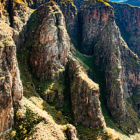
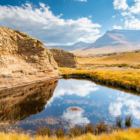
Lesotho, a landlocked country entirely surrounded by South Africa, is characterised by its mountainous terrain and vibrant towns. Each town and city reflects the rich cultural heritage and unique history of the Basotho people. The towns and cities of Lesotho each offer a unique glimpse into the country’s rich cultural heritage, history, and natural beauty. From the bustling capital of Maseru to the picturesque landscapes of Teyateyaneng and Mafeteng, visitors to Lesotho can explore a diverse range of experiences that showcase the essence of the “Kingdom in the Sky.” Whether you are interested in history, culture, or outdoor adventures, Lesotho’s towns provide a warm welcome and a wealth of opportunities for exploration.
Maseru
Maseru is the capital and largest city of Lesotho, with a population exceeding 200,000. Established in 1869 by British colonisers, Maseru has served as a vital administrative centre throughout its history. The city is the economic hub of the country, featuring various industries, trade opportunities, and foreign investments. Visitors to Maseru can explore historical sites such as the Royal Palace, the Lesotho National Museum, and vibrant markets offering local crafts and goods. The city’s location along the Caledon River provides picturesque views, making it a pleasant place to explore.

Teyateyaneng
Located in the Berea district, Teyateyaneng has a population of approximately 75,115. Founded in 1886 by Chief Masupha, this town is known for its rich cultural heritage and historical significance. Teyateyaneng offers stunning views of the Maloti Mountains and is famous for its vibrant marketplace, where visitors can find unique local products, including stoneware pottery and finely woven mohair textiles. The town is also home to important historical sites, such as the Cannibal Cave, which adds to its allure for history enthusiasts.
Mafeteng
Mafeteng serves as the capital of the Mafeteng district and has a population of around 57,059. This town is an important trading centre and a gateway for tourists seeking outdoor adventures in the surrounding areas. Mafeteng is known for its historical significance, particularly as a battlefield during the late 19th century. The town is also a hub for hiking and pony-trekking activities, allowing visitors to explore the stunning landscapes of Lesotho.
Hlotse
Hlotse, located in the Leribe district, has a population of approximately 47,675. This town is known for its agricultural activities and serves as a commercial centre for the surrounding rural areas. Hlotse is also a cultural hub, with various traditional events and festivals taking place throughout the year. Visitors can explore local markets and experience the vibrant community life that characterises this town.
Mohale’s Hoek
Mohale’s Hoek is another significant town in Lesotho, with a population of around 40,514. It serves as the administrative centre for the Mohale’s Hoek district and is known for its rich agricultural lands. The town is a gateway to various outdoor activities, including hiking and exploring the nearby Mohale Dam, which offers opportunities for fishing and water sports.
Maputsoe
Maputsoe, located in the Leribe district, has a population of approximately 32,117. This town is strategically positioned near the South African border, making it an important commercial and trade centre. Maputsoe is known for its vibrant market scene, where visitors can find a variety of local goods and crafts.
Qacha’s Nek
Qacha’s Nek is a town situated in the Qacha’s Nek district, with a population of about 25,573. This town is known for its stunning landscapes and is a popular starting point for exploring the nearby Qacha’s Nek Mountain. The area is rich in cultural heritage, and visitors can engage with local communities to learn about traditional Basotho customs and practices.
Quthing
Quthing, located in the Quthing district, has a population of around 24,130. This town is known for its agricultural activities and serves as a commercial centre for the surrounding rural areas. Quthing is also home to several historical sites, making it an interesting destination for those looking to explore Lesotho’s rich history.
Butha-Buthe
Butha-Buthe, situated in the Butha-Buthe district, has a population of approximately 16,330. This town is known for its stunning mountain scenery and serves as a gateway to various outdoor activities, including hiking and pony trekking. Butha-Buthe is also home to the famous Katse Dam, which is a significant engineering achievement and a popular tourist attraction.
Geology
Namibia, a geological marvel, unfolds its rich tapestry of rock formations, revealing a chronicle that spans from the Paleoproterozoic to the Cenozoic era. Approximately 46% of the country's expanse showcases bedrock exposures, while the rest lies veiled beneath the youthful sediments of the Kalahari and Namib Deserts.
The northern dominion of Namibia is characterised by the metasediments of the Neoproterozoic Damara Belt, a geological masterpiece, while the south is bedecked with the undisturbed sediments of the Cambrian Nama Group. Noteworthy inliers of the Paleoproterozoic Epupa Metamorphic Complex grace the extreme northwest, embodying rocks dating back to around 2,100 million years. The Rehoboth-Sinclair Complex in the southwest narrates tales of late Paleoproterozoic and Mesoproterozoic epochs, linked to the Kalahari Craton.
As we traverse the geological narrative, the Mesoproterozoic Namaqua Metamorphic Complex takes centre stage in the south and southwest, a composition of metasediments originating from the Congo and Kalahari Cratons. Intricate dance partners in this geological ballet include granitic and metabasic intrusions.
In the central and northern realms, the Neoproterozoic Damara Orogenic Belt unfolds, a canvas painted with high-grade metamorphics and frequent granitic intrusions. Mineralization, a product of intracontinental rifting, spreads its charm across this belt, leaving a legacy in copper and graphite.
The story takes a dramatic turn with the onset of the Karoo episode, where the Cambrian silence is broken by glacial sediments of the Dwyka Group in the northwest's Kaokoveld. Continental sediments of the Omingonde Formation in central Namibia follow suit, paving the way for the Permo-Triassic Karoo Sequence. The breakup of Gondwana, etched in the annals of time, is marked by dolerite sills, dyke swarms, and basaltic volcanism, fostering the birth of the South Atlantic Ocean.
The narrative gracefully concludes with the Cenozoic to recent deposits of the Kalahari Sequence, casting a veil over Namibia's geological tableau. Bedrock exposures stand tall, comprising highly deformed gneisses, amphibolites, and an array of metasediments, a testament to the enduring legacy of a land sculpted by time. Namibia, a geological treasure trove, invites exploration into its rock-strewn history, where every layer whispers stories of epochs long past.
Fauna & Flora
Botswana, located in Southern Africa, encompasses a variety of biomes and ecological regions, each characterized by unique environmental conditions, flora, and fauna. Here's an overview of the main biomes found in Botswana, along with the ecological regions within each biome and the common flora and fauna you can expect to find:
Kalahari Desert Biome:
The Kalahari Desert dominates a large portion of Botswana. It is a semi-arid desert characterized by sandy soils, sparse vegetation, and extreme temperatures. Within this biome, several ecological regions can be identified:
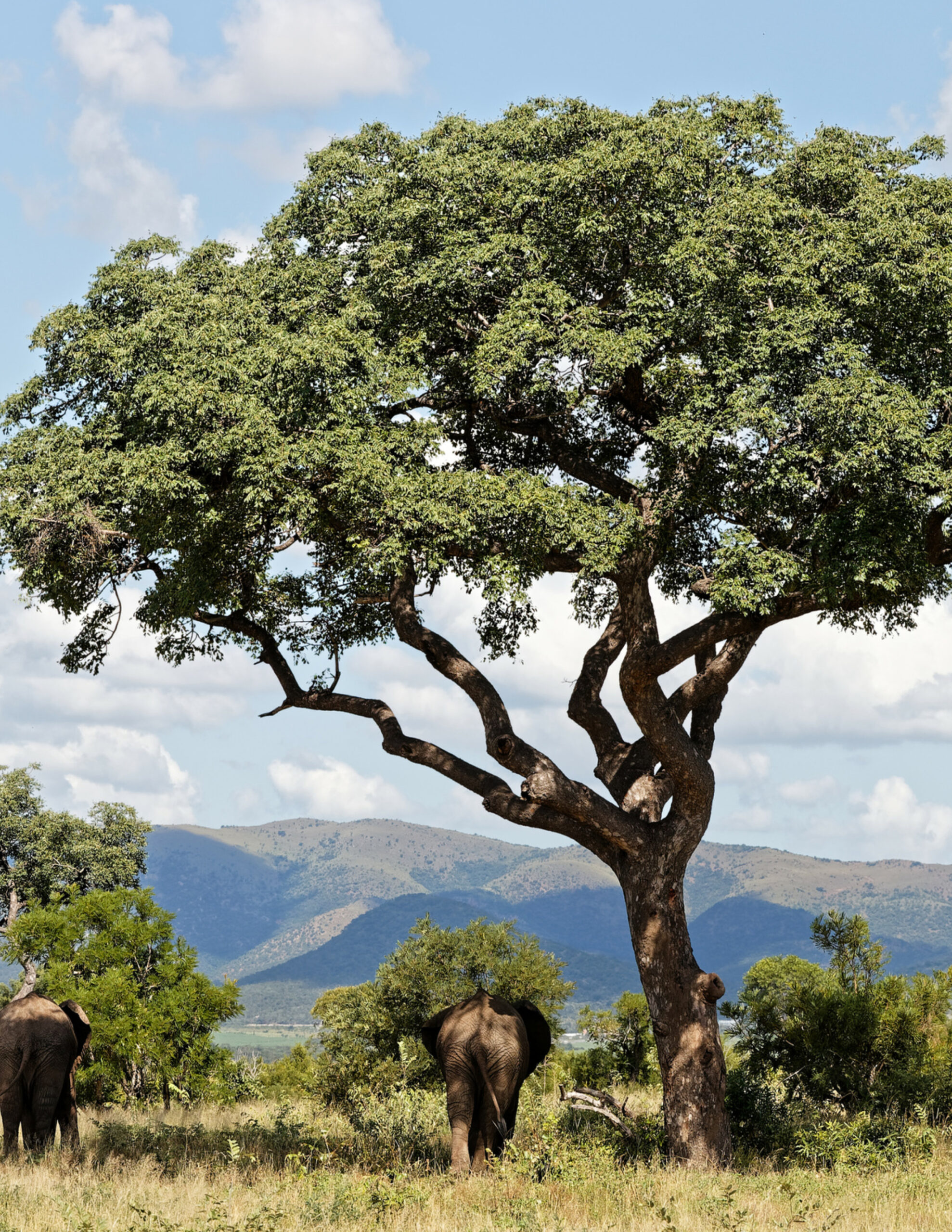
a. Kalahari Xeric Savannah: This region features dry savannah grasslands and scattered trees. Common flora includes Vachellia erioloba (Camelthorn) and Stipagrostis grasses. Fauna includes large mammals like springbok, gemsbok, and predators like lions and cheetahs.
b. Kalahari Semi-desert: This region has sandy soils and supports adapted flora such as Acacia trees, Stipagrostis grasses, and succulents like Hoodia gordonii. Fauna includes animals like meerkats, desert-adapted elephants, and antelopes.
Okavango Delta and Savanna Biome:
The Okavango Delta is a unique inland delta that creates a lush oasis within the otherwise arid region. It is surrounded by diverse savanna landscapes. Ecological regions within this biome include:
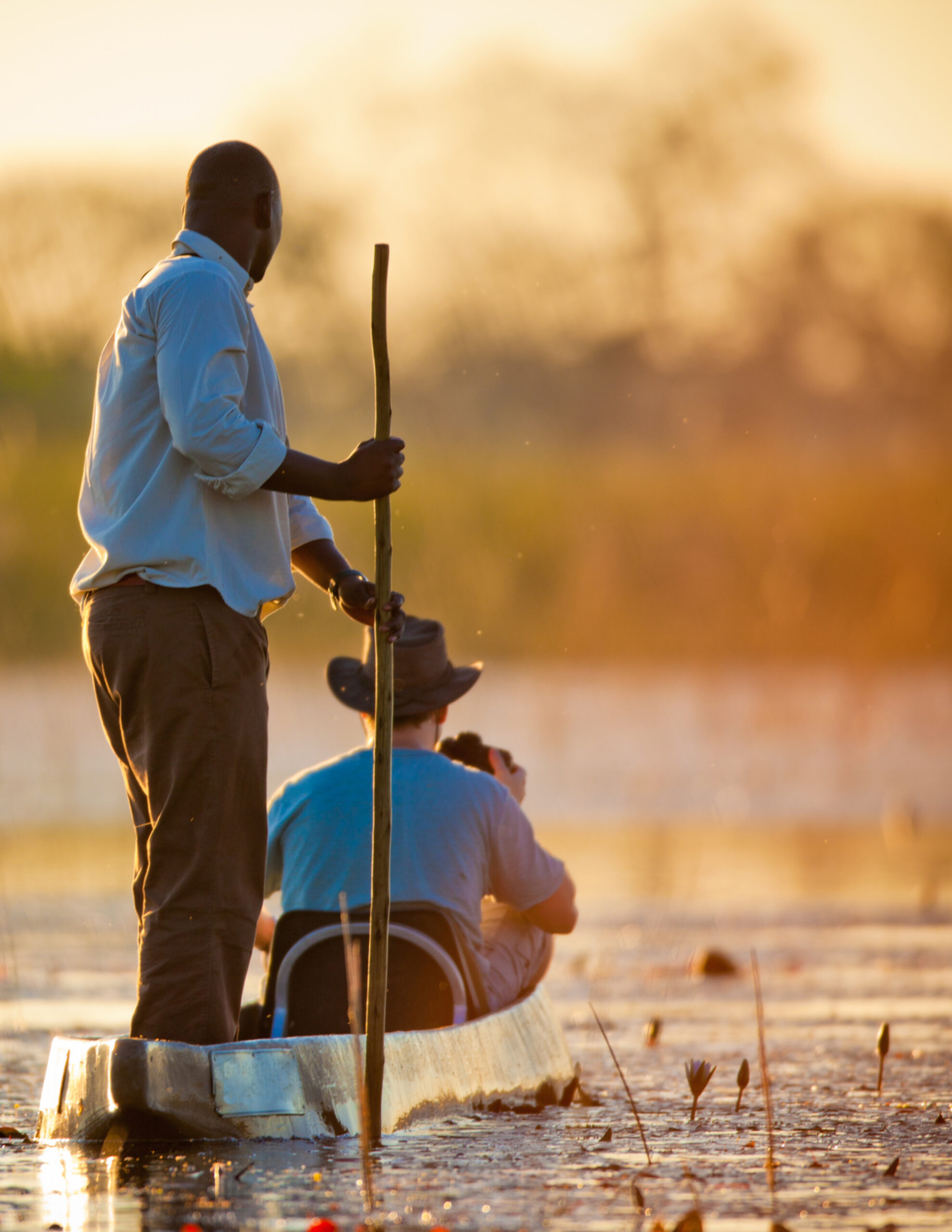
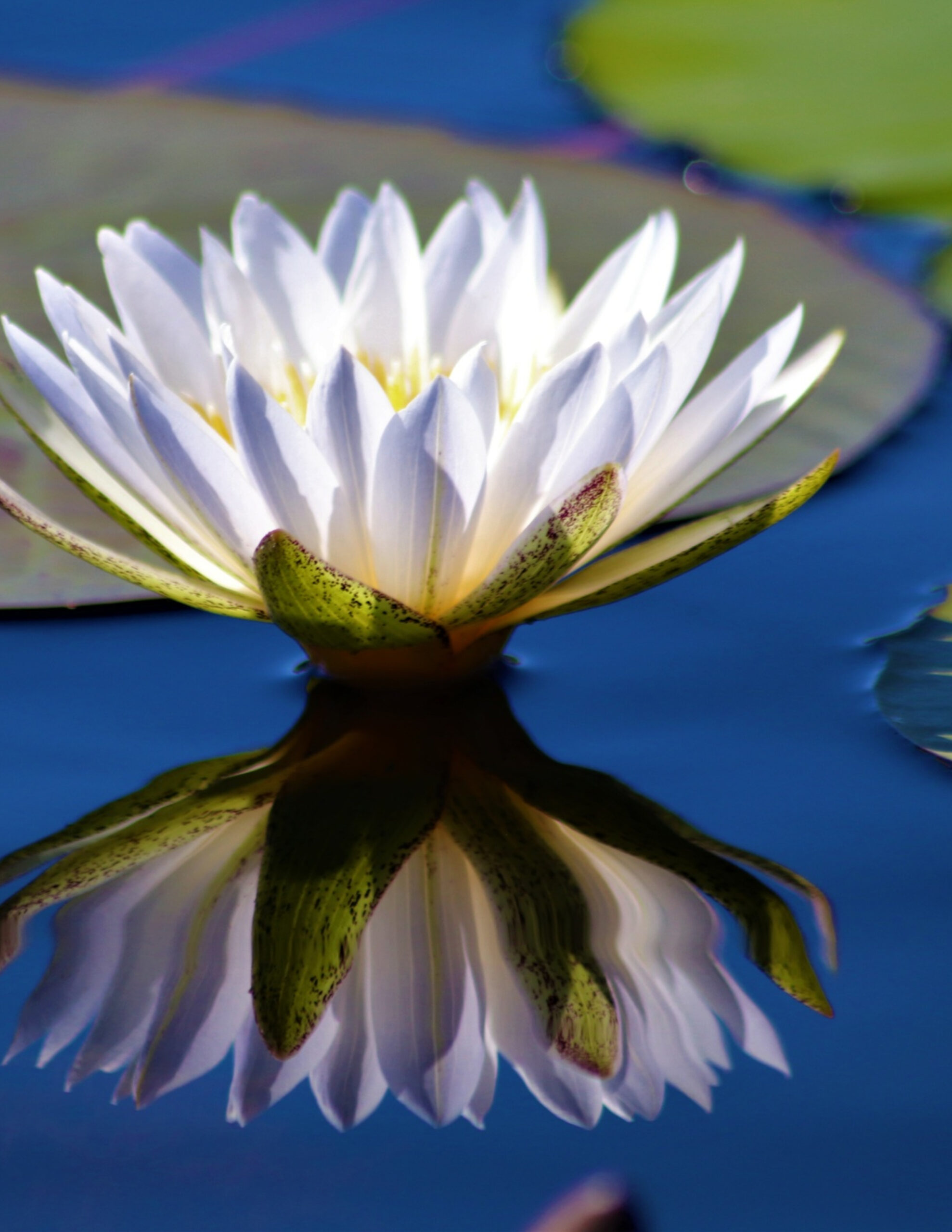
a. Okavango Delta: This region consists of permanent swamps, channels, and floodplains. It supports a rich variety of aquatic plants, papyrus reeds, and water lilies. Fauna includes African elephants, hippos, crocodiles, and a wide range of bird species.
b. Linyanti and Kwando Floodplains: These regions experience seasonal flooding and support reed beds, grasses, and woodlands. Common flora includes Phragmites reeds, Xerophyta succulents, and Baikiaea trees. Fauna includes large herds of elephants, buffalos, predators like lions, and an abundance of birdlife.
Chobe National Park and Zambezi Floodplain Biome:
Located in northern Botswana, this biome encompasses the Chobe National Park and the Zambezi floodplains. Ecological regions within this biome include:
a. Chobe Riverfront: This region features riverine woodlands, floodplains, and grasslands. Common flora includes Baikiaea trees, Combretum species, and water-loving plants like Phragmites. Fauna includes large herds of elephants, buffalos, antelopes, and diverse bird species.
b. Zambezi Floodplain: This region experiences seasonal flooding and supports grasses, sedges, and water-adapted trees. Common flora includes Baikiaea trees, Mopane trees, and Cyperus sedges. Fauna includes hippos, crocodiles, elephants, and an array of birdlife.
Makgadikgadi Pans and Salt Flats Biome:
The Makgadikgadi Pans are large salt flats in northeastern Botswana. This unique biome encompasses:
a. Makgadikgadi Salt Pans: These salt pans are characterized by dry, barren landscapes, with halophytic plants adapted to saline conditions. Common flora includes Suaeda species and grasses like Cenchrus ciliaris. Fauna includes meerkats, migratory zebra, and wildebeest herds, and various bird species.
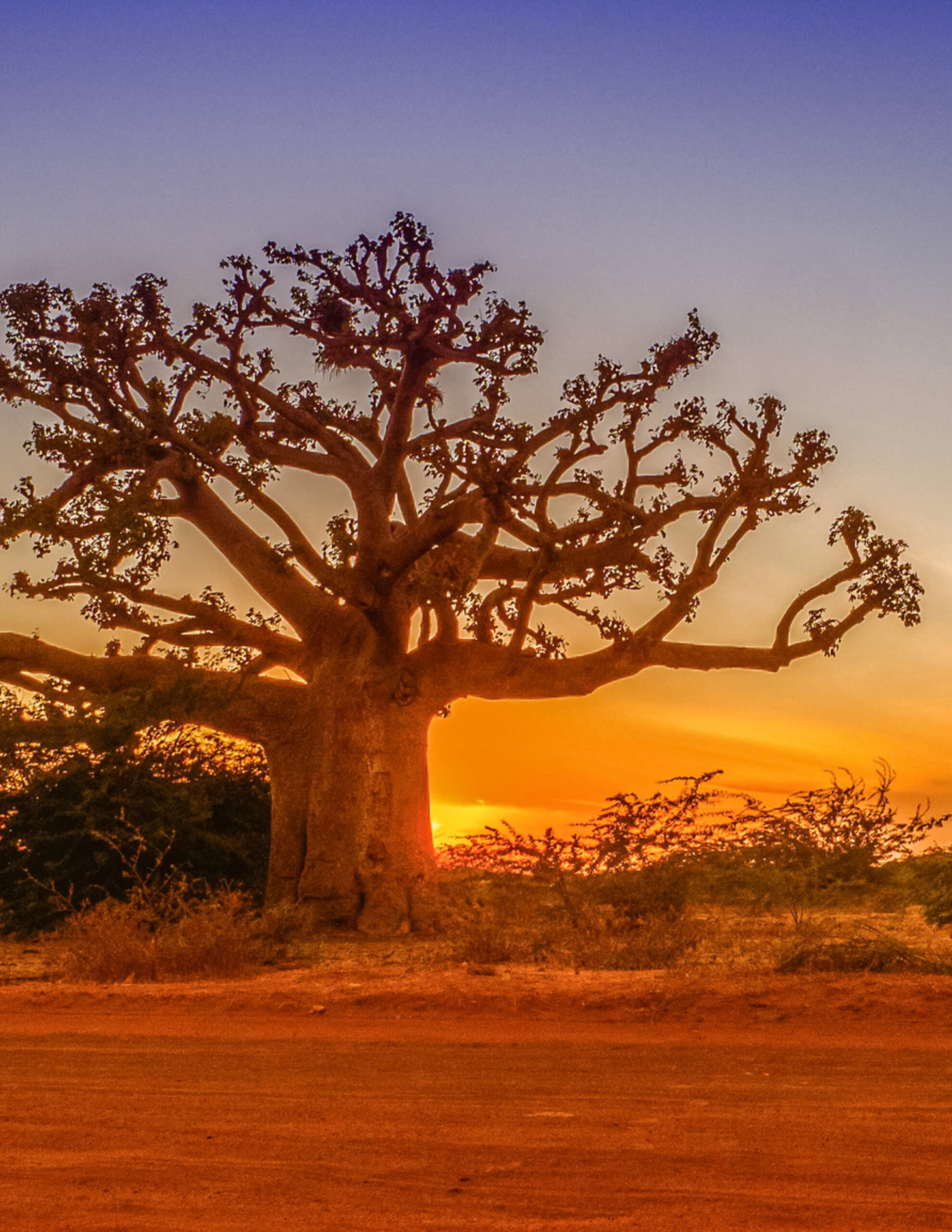
b. Nxai Pan National Park: This region has open grasslands, acacia woodlands, and the iconic Baines' Baobabs. Flora includes Baobab trees, Vachellia erioloba (Camel Thorn), and grasses like Themeda triandra. Fauna includes zebra herds, wildebeests, lions, and numerous bird species.
These are some of the main biomes and ecological regions found in Botswana, along with their characteristic flora and fauna. It's important to note that the specific composition of flora and fauna can vary within each region, and some species may be migratory or transient depending on the seasonal availability of water and food resources.
A Brief History of Botswana
The history of Botswana revolves around the Kalahari region, situated between the more densely populated savanna in the north and east, and the sparsely populated steppe in the south and west. While Botswana played a peripheral role in Southern Africa for most of the 20th century, there were times when it served as a central area for historical development.
Ancient Origins and Pre-Colonial Period:
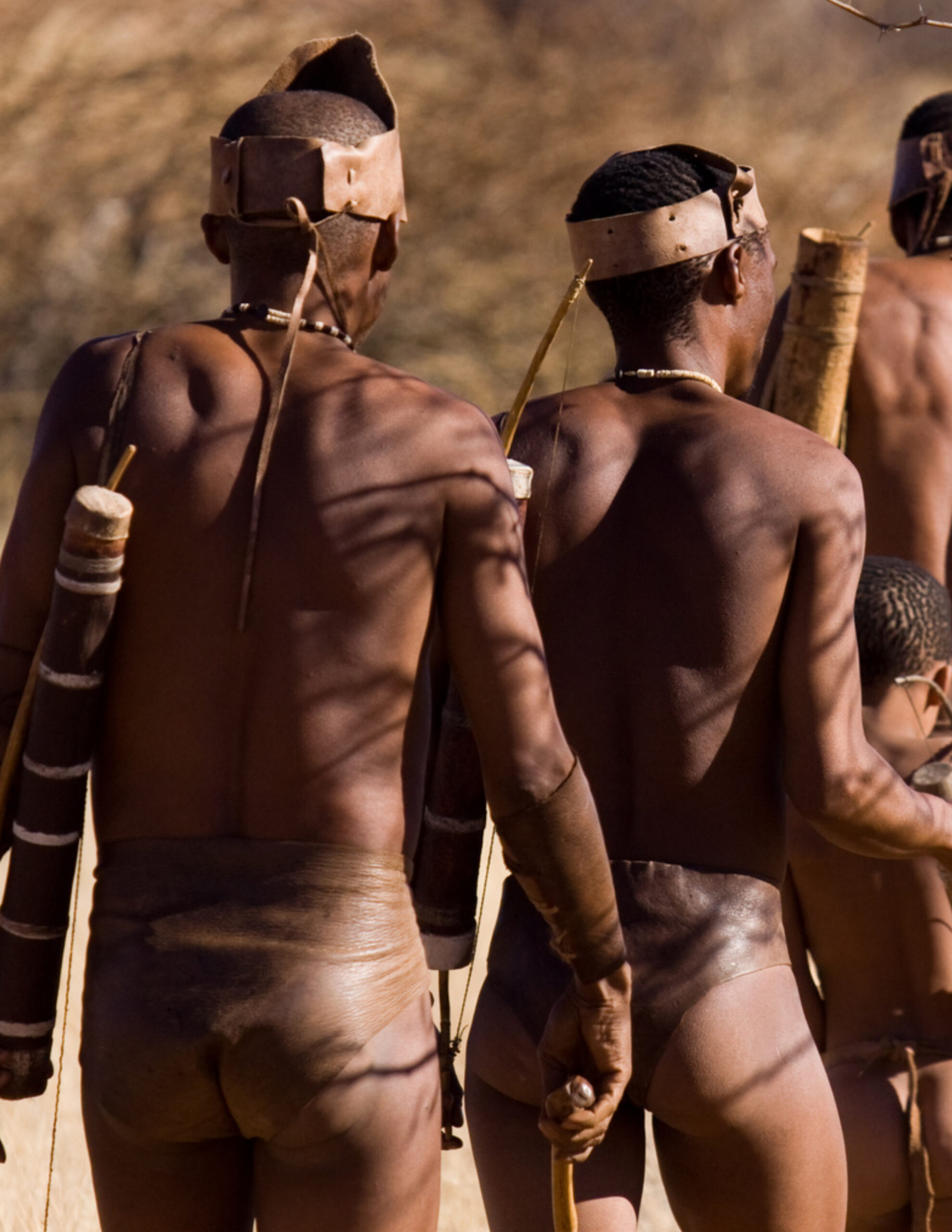
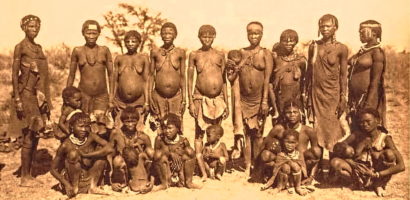
Botswana's ancient origins can be traced back thousands of years, with evidence of human presence in the region dating as far back as the Stone Age. Archaeological findings, including rock paintings and stone tools, indicate that hunter-gatherer communities inhabited the area, relying on hunting, gathering, and fishing for their subsistence.
Around the 4th century AD, Bantu-speaking groups began migrating into the region, bringing with them new technologies, agricultural practices, and social structures. These Bantu communities established settled farming communities, cultivating crops such as sorghum, millet, and beans. This transition from a nomadic lifestyle to sedentary agriculture laid the foundation for the development of more complex social systems. By the 15th century, the Tswana people emerged as one of the most influential groups in the region. The Tswana were composed of various clans and chiefdoms, each with its own distinct customs, dialects, and political organizations. Prominent Tswana chiefdoms included the Bangwato, Bakwena, Bangwaketse, and Barolong, among others. These chiefdoms were characterized by hierarchical structures, with a paramount chief or kgosi at the top, assisted by a council of elders and sub-chiefs.
Trade played a crucial role in the pre-colonial period of Botswana's history. The Tswana engaged in long-distance trade networks, exchanging goods such as ivory, salt, iron, and livestock with neighboring societies. Trade routes stretched across the region, linking Botswana to other parts of Southern Africa, including present-day Zimbabwe and South Africa. Religion and spiritual beliefs held a significant place in pre-colonial Botswana. Ancestral worship and animism formed the basis of the Tswana's spiritual practices. They believed in a supreme creator, known as Modimo, and the spirits of their ancestors played a vital role in their daily lives. Rituals and ceremonies were conducted to honor and communicate with the ancestors, seeking their guidance and blessings.
Conflict and warfare were also prevalent during the pre-colonial period. Disputes over land, resources, and political control sometimes led to inter-tribal conflicts. The Tswana chiefdoms often had complex alliances and rivalries, with occasional warfare and territorial disputes occurring among them. The Tswana people had a rich oral tradition, passing down their history, customs, and values through storytelling, proverbs, and praise poetry. Griots, known as bards or praise singers, played a crucial role in preserving and transmitting this cultural heritage from one generation to the next.
Overall, the pre-colonial period in Botswana's history was characterized by the development of agricultural societies, intricate social structures, extensive trade networks, and a vibrant cultural heritage. These foundations would shape the country's future as it navigated the challenges and transformations of colonialism and independence.
Colonial Era and Bechuanaland Protectorate:
The colonial era in Botswana's history began in the 19th century with the arrival of European explorers and missionaries in the region. The British influence gradually increased, shaping the political and economic landscape of what would become Botswana. One of the key figures during this period was David Livingstone, a Scottish explorer and missionary. Livingstone's expeditions in the mid-19th century brought international attention to the region, highlighting its geographical features and resources. Livingstone's reports on the potential for trade and missionary work in the area sparked further European interest.
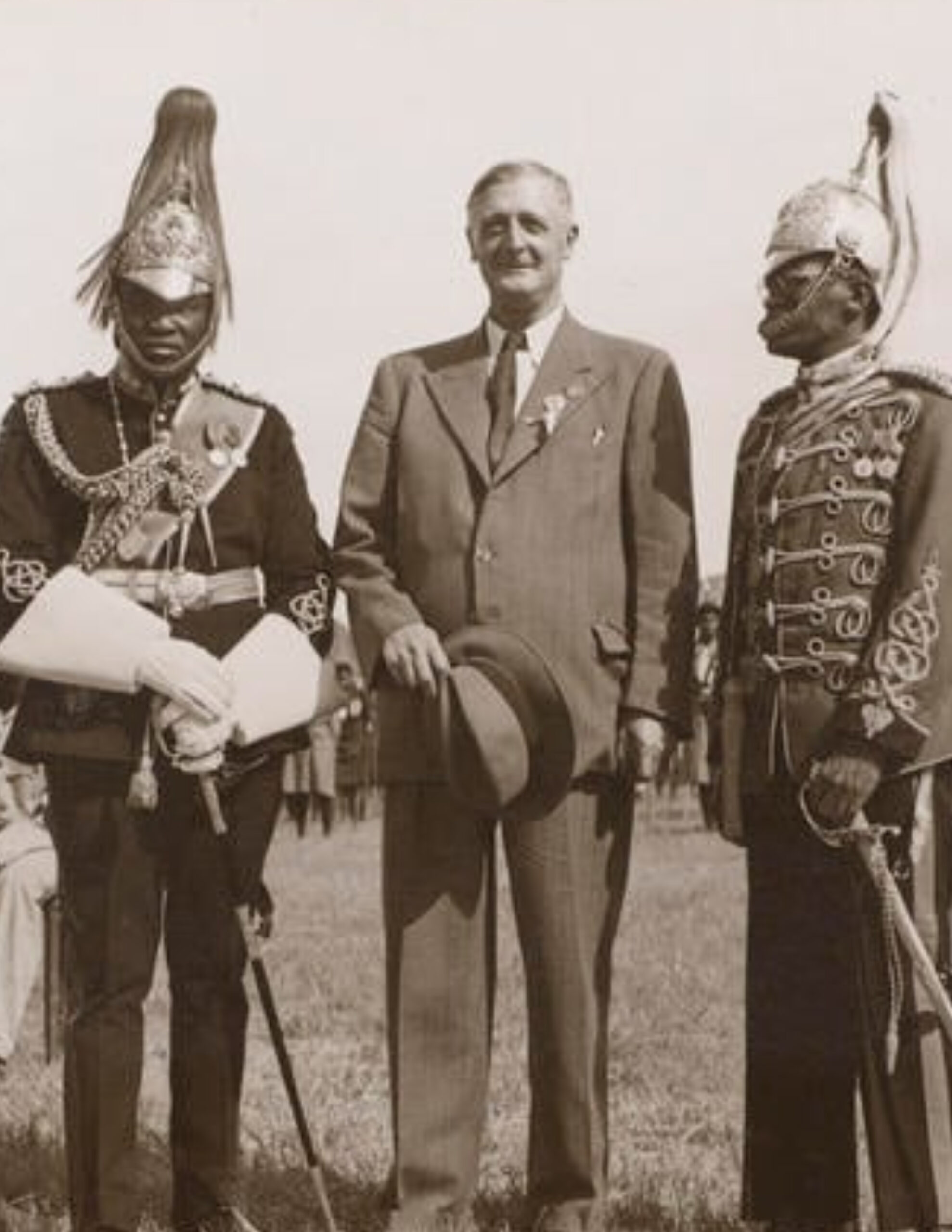
In 1885, Botswana was declared a British protectorate, known as the Bechuanaland Protectorate. This designation aimed to shield the region from the territorial ambitions of European powers and maintain relative stability. The protectorate status ensured that Botswana remained independent from the neighboring British colonies of South Africa and Rhodesia (now Zimbabwe). During this time, tribal leaders in Botswana actively sought British protection to safeguard their territories and maintain their independence. One of the most influential figures was King Khama III of the Bangwato, who played a crucial role in establishing friendly relations with the British colonial administration. Khama III's efforts were driven by a desire to protect his people's land and autonomy from the encroachment of European powers.
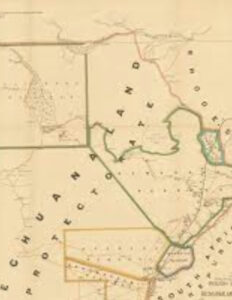
The Bechuanaland Protectorate was characterized by indirect rule, wherein the British authorities largely respected the existing political structures and traditional leadership of the Tswana communities. Tribal chiefs, known as dikgosi, retained their positions of authority and acted as intermediaries between the local population and the colonial administration. The colonial period brought both positive and negative impacts to Botswana. On one hand, the British presence contributed to the establishment of law and order, the development of infrastructure such as roads and schools, and improvements in healthcare. Missionaries also played a role in introducing Western education and Christianity to the region.
On the other hand, the colonial period also brought challenges and disruptions. European settlers and the expansion of commercial agriculture encroached upon traditional lands, leading to conflicts over resources and land rights. Additionally, the introduction of Western economic systems and labor practices, such as migrant labor in South African mines, had profound effects on the socio-economic fabric of Botswana. Nevertheless, the Bechuanaland Protectorate maintained a certain level of political stability compared to many other African colonies. This stability was largely attributed to the cooperation between the Tswana chiefs and the British colonial administration.
The period of British colonial rule in Botswana laid the groundwork for the nation's future independence and democratic governance. It provided a relatively stable environment that allowed Botswana to transition into a sovereign nation and embark on a path of self-determination and development.
Independence and the Birth of Botswana:
The journey towards independence for Botswana began in the 1960s as the political consciousness of the local population grew and demands for self-governance intensified. This period witnessed the emergence of political parties and leaders who played instrumental roles in shaping the future of the country. In 1962, the Bechuanaland Democratic Party (BDP) was founded as the first political party in the Bechuanaland Protectorate. The BDP, led by Sir Seretse Khama, sought self-government and eventual independence for Botswana. Khama, a highly respected and influential figure, was a paramount chief of the Bangwato and had spent many years studying in the United Kingdom.
The BDP gained widespread support among the population, particularly among the Tswana communities, who saw it as a vehicle for achieving political empowerment and self-determination. The party advocated for the preservation of traditional values and the incorporation of democratic principles within Tswana society. Negotiations between the British colonial authorities and the BDP culminated in the adoption of a new constitution in 1965, providing for greater self-government and internal autonomy. Elections were held in March 1965, and the BDP won a significant majority, further cementing its position as the leading political force in the country.
On September 30, 1966, Botswana gained full independence from British colonial rule, marking the birth of the modern nation-state. Sir Seretse Khama became the country's first president, and the BDP formed the government. The transition to independence was peaceful and marked by a spirit of reconciliation and nation-building. Botswana's independence was significant, as it achieved sovereignty without resorting to armed struggle or experiencing the turmoil and conflicts that characterized the decolonization process in many other African nations. The peaceful nature of independence allowed for a smooth transition of power and laid the foundation for stability and democracy in Botswana.
Under President Seretse Khama's leadership, Botswana pursued a policy of democracy, good governance, and economic development. The government prioritized education, healthcare, and infrastructure development, investing in human capital and creating opportunities for social mobility. This focus on human development and nation-building contributed to Botswana's remarkable progress in the following decades. Another critical aspect of Botswana's post-independence success was the prudent management of its mineral wealth, particularly diamond resources. The country established the Debswana Diamond Company, a joint venture between the government and De Beers, to oversee the diamond mining industry. Revenue from diamond exports was reinvested in social programs, education, and infrastructure, fostering economic growth and reducing poverty.
Botswana's commitment to democracy and good governance has been demonstrated through regular free and fair elections, respect for the rule of law, and the protection of civil liberties. The country has maintained political stability and peaceful transitions of power, setting it apart as a beacon of democracy in Africa.
In conclusion, the independence and birth of Botswana as a sovereign nation marked a significant turning point in its history. The peaceful transition, under the leadership of President Seretse Khama and the Bechuanaland Democratic Party, laid the foundation for Botswana's subsequent achievements in democratic governance, economic growth, and social development.