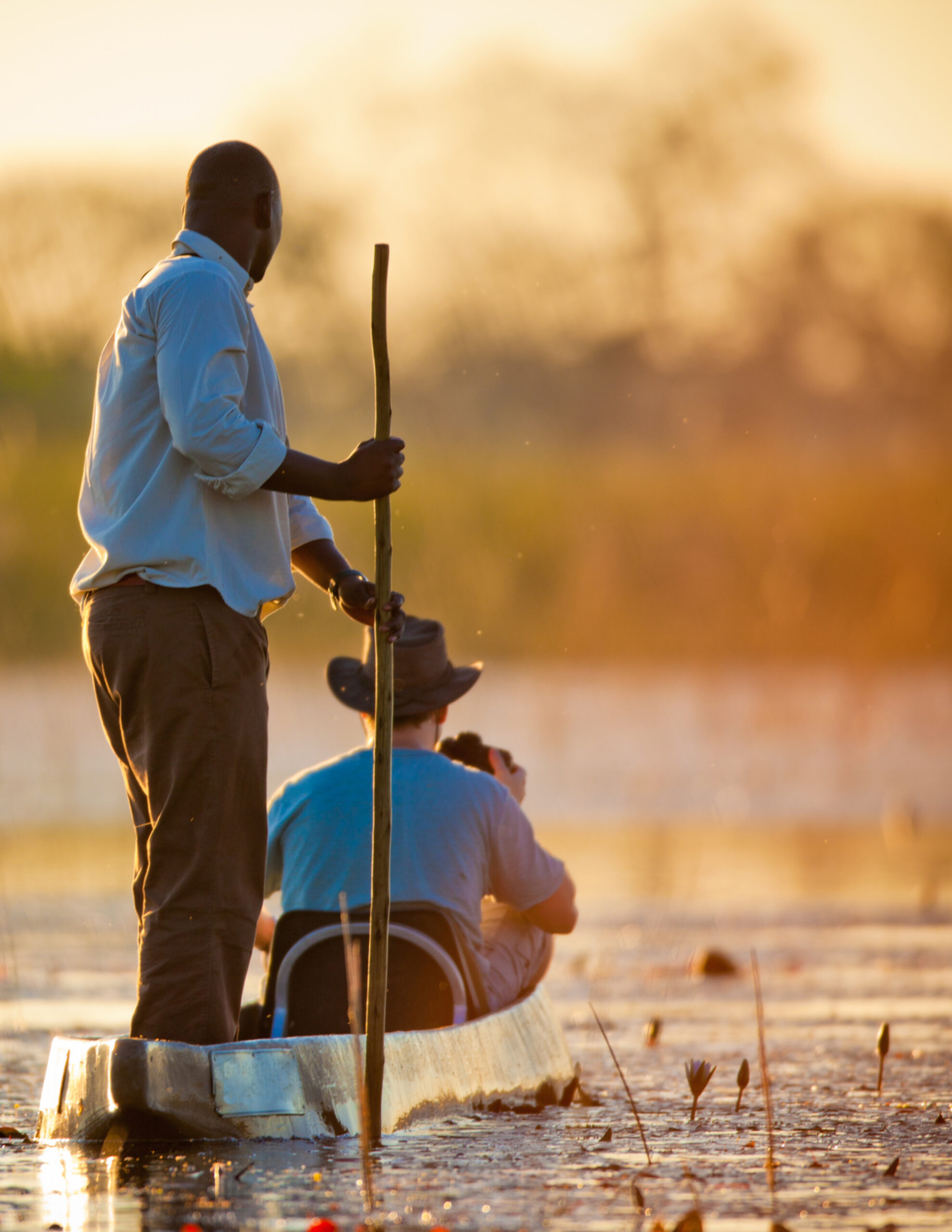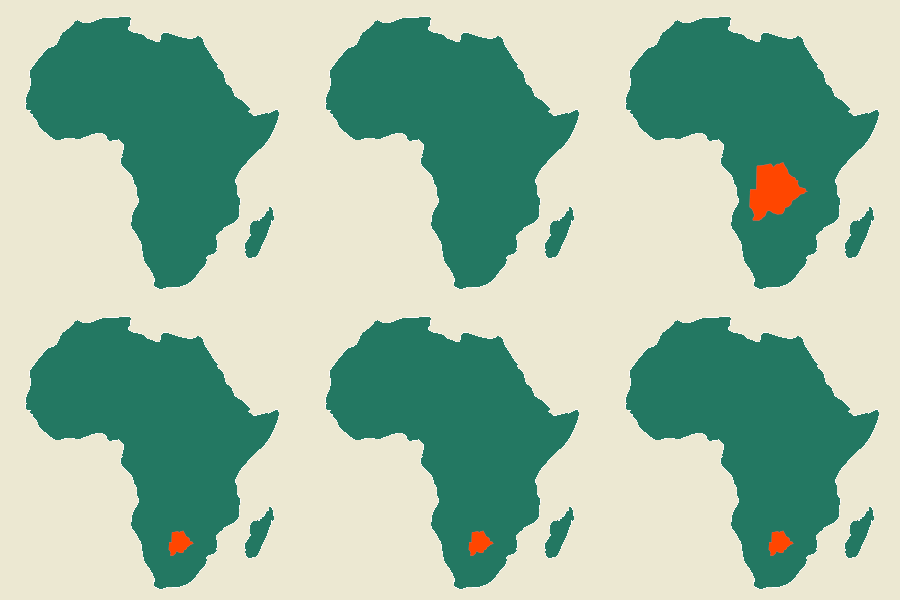
Botswana, situated in Southern Africa, is an enticing travel destination offering a diverse and captivating landscape. This landlocked country boasts the remarkable Kalahari Desert and the enchanting Okavango Delta. As a pioneer in low-impact, upmarket tourism, Botswana stands as a leading destination in preserving Africa’s remaining wilderness areas. Explorations into Botswana’s pristine ecosystem can be undertaken through game drives or by embarking on mokoro journeys, gliding along in traditional wooden dugout canoes. Additionally, Botswana offers other remarkable wildlife sanctuaries, such as Chobe National Park, Moremi Game Reserve, and the Central Kalahari Game Reserve, where breathtaking landscapes seamlessly blend with extraordinary opportunities to encounter diverse wildlife species. In summary, Botswana presents a captivating blend of mesmerizing landscapes, exceptional wildlife encounters, and a commitment to sustainable tourism. Its remarkable destinations, including the Okavango Delta, Chobe National Park, Moremi Game Reserve, and the Central Kalahari Game Reserve, promise travelers unforgettable experiences in one of Africa’s last untamed frontiers.
Botswana, situated in Southern Africa, is an enticing travel destination offering a diverse and captivating landscape. This landlocked country boasts the remarkable Kalahari Desert and the enchanting Okavango Delta. As a pioneer in low-impact, upmarket tourism, Botswana is a leading destination in preserving Africa’s remaining wilderness areas. Botswana’s pristine ecosystem can be explored through game drives or by embarking on mokoro journeys, gliding along in traditional wooden dugout canoes. Additionally, Botswana offers other remarkable wildlife sanctuaries, such as Chobe National Park, Moremi Game Reserve, and the Central Kalahari Game Reserve, where breathtaking landscapes seamlessly blend with extraordinary opportunities to encounter diverse wildlife species. Botswana presents a captivating blend of mesmerising landscapes, exceptional wildlife encounters, and a commitment to sustainable tourism. Its remarkable destinations, including the Okavango Delta, Chobe National Park, Moremi Game Reserve, and the Central Kalahari Game Reserve, promise travellers unforgettable experiences in one of Africa’s last untamed frontiers.
Botswana has a semi-arid climate characterized by hot and dry conditions for most of the year, with a distinct rainy season occurring during the summer months. The rainfall in Botswana is often erratic, unpredictable, and highly regional, leading to significant variations in precipitation across different areas. It is not uncommon for heavy downpours to occur in one location while just a few kilometers away, there is no rainfall at all. Additionally, the showers in Botswana are often followed by strong sunshine, resulting in a considerable amount of rainfall evaporating or being lost to transpiration instead of penetrating the ground.
The word "Pula," frequently heard in Botswana, holds significant importance as it not only refers to the country's currency but also represents the Setswana word for rain. This reflects the reliance of Botswana on this essential yet frequently scarce commodity for various aspects of life within the country.
Botswana experiences distinct seasons throughout the year. The summer season spans from November to March and brings high temperatures. However, it is also the rainy season, and the presence of cloud cover and rainfall can temporarily cool down the temperatures. The winter season occurs from May to August, representing the dry period with minimal precipitation. Winter days are generally sunny and cool to warm, but nighttime temperatures can drop below freezing point in certain regions, particularly in the southwest. The transitional periods of April/early May and September/October tend to be dry, but the temperatures are cooler than in summer, while the nights are warmer than in winter.
The rainy season predominantly takes place in summer, with transitional months in October and April. January and February are typically considered the peak months for rainfall. The average annual rainfall varies across the country, with the highest amounts exceeding 650mm in the extreme northeast area of the Chobe District and the lowest amounts below 250mm in the extreme southwest part of the Kgalagadi District. Rainfall primarily occurs during the summer months, with the winter season accounting for less than 10 percent of the annual rainfall. Generally, rainfall decreases and becomes more variable as one moves further west and south.
During summer, the temperatures in Botswana can reach high levels. In the weeks preceding the arrival of the cooling rains, shade temperatures can rise to around 38°C and occasionally exceed 44°C. Winters in Botswana are characterized by clear skies and extremely dry conditions. Daytime temperatures are pleasantly warm, but due to the lack of cloud cover, nights and early mornings can be cold. Frost is common during winter, and small quantities of water can freeze.
Humidity levels in Botswana vary with the seasons. In summer, humidity ranges from 60 to 80% during the morning and decreases to 30 to 40% in the afternoon. In winter, humidity is generally lower, ranging between 40 and 70% in the morning and falling to 20 and 30% in the afternoon.
For tourists planning to visit Botswana, the best months in terms of weather and game viewing are from April to October. During this period, wildlife congregates around available water sources, such as natural waterholes and borehole-fed dams, making it an ideal time to observe wildlife in their natural habitat.
Chobe National Park
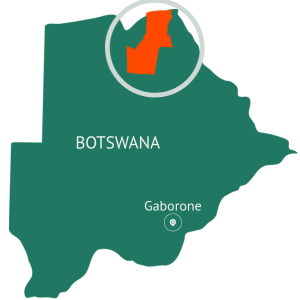
Nestled in the northeastern corner of Botswana, Chobe National Park stands as a crown jewel of wildlife conservation and natural beauty. It is one of the most renowned and accessible national parks in the country, drawing visitors from around the world. Chobe National Park is particularly famous for its colossal elephant herds, making it a must-visit destination for wildlife enthusiasts. Here, you can witness the incredible sight of hundreds of elephants congregating along the Chobe River, bathing, drinking, and socialising.
This remarkable display of these gentle giants in their natural habitat is an awe-inspiring experience that leaves a lasting impression. However, Chobe National Park is not just about elephants. The park’s diverse ecosystems encompass a range of habitats, including vast floodplains, dense woodlands, and riverine forests, creating an ideal environment for a rich variety of wildlife. Lions, leopards, buffalo, giraffes, zebras, and numerous antelope species roam freely, offering thrilling game-viewing opportunities. One of the best ways to explore Chobe National Park is through game drives. Accompanied by experienced guides, you can venture deep into the park’s wilderness, tracking animal movements and observing their behaviour up close.
The open 4×4 vehicles provide excellent vantage points for wildlife sightings and allow you to immerse yourself in the sights, sounds, and scents of the African bush. Another popular activity in Chobe National Park is the river safari along the Chobe River. Board a boat or a traditional mokoro canoe and glide through the tranquil waters, observing wildlife as they come to the river’s edge to drink or bathe. This unique perspective allows for incredible encounters with hippos, crocodiles, and an abundance of bird species, including colourful kingfishers and majestic African fish eagles. Chobe National Park offers a range of accommodation options to suit various budgets and preferences. Luxury lodges, tented camps, and campsites are strategically located within or near the park, providing opportunities for a comfortable stay while being immersed in the wilderness.
Whether you are a wildlife enthusiast, a nature lover, or a photographer seeking extraordinary moments, Chobe National Park promises an unforgettable experience. The park’s awe-inspiring landscapes, diverse wildlife, and thrilling safari activities create an atmosphere of wonder and discovery. Prepare to be captivated by the natural wonders of Chobe National Park and the incredible wildlife encounters that await you.
Okavango Delta
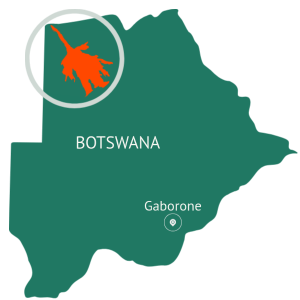
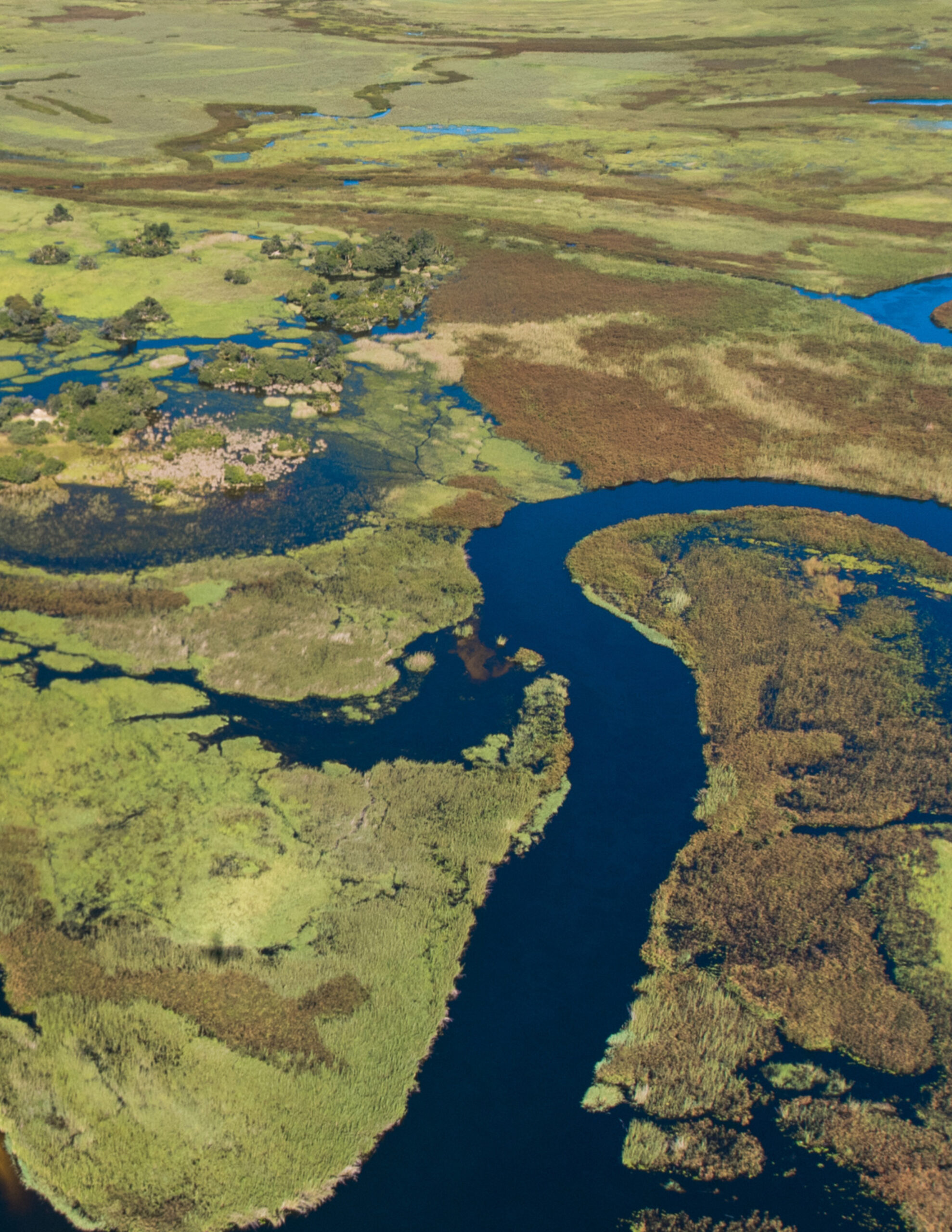
The Okavango Delta, often referred to as the jewel of Botswana, is a true natural wonder and a UNESCO World Heritage Site. Located in the northwest part of the country, it is a unique inland delta formed by the Okavango River, creating a labyrinth of waterways, lagoons, and islands that stretch across approximately 15,000 square kilometres. The Okavango Delta is a haven for wildlife and a paradise for nature enthusiasts. Its diverse habitats, including floodplains, channels, grassy plains, and palm-fringed islands, support an extraordinary array of animal and plant species.
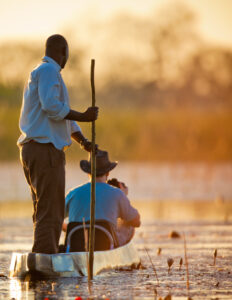
The delta’s pristine ecosystems sustain a rich diversity of wildlife, making it one of Africa’s premier safari destinations. Exploring the Okavango Delta is a true adventure, and there are various ways to experience its unparalleled beauty. Mokoro excursions are a popular choice, where you glide silently through the narrow waterways in traditional dugout canoes. This allows for an intimate encounter with the delta’s wildlife, from playful hippos to colourful birdlife. Skilled polers navigate the mokoros, sharing their knowledge of the delta’s flora and fauna along the way. Guided walking safaris offer another perspective, allowing you to explore the delta’s islands and floodplains on foot. Accompanied by experienced guides, you’ll have the opportunity to track wildlife, learn about the smaller aspects of the ecosystem, and appreciate the intricacies of the delta’s delicate balance.
For more extensive exploration, game drives are available in the delta's private concessions. These drives take you through a mosaic of habitats, increasing your chances of encountering iconic African wildlife such as elephants, lions, leopards, buffalo, and an array of antelope species. Night drives provide a unique opportunity to spot nocturnal creatures and witness the delta’s enchanting transformations under the moonlit sky. Birdwatchers will be in paradise in the Okavango Delta. With over 500 bird species, including the vibrant malachite kingfisher, the regal African fish eagle, and the elusive Pel’s fishing owl, the delta offers endless opportunities for bird enthusiasts to indulge in their passion.
The Okavango Delta's accommodations range from luxurious lodges to intimate tented camps, all designed to blend harmoniously with the surrounding environment. These camps offer exclusive and remote exper
iences, providing unparalleled access to the delta’s pristine wilderness. The Okavango Delta is a year-round destination, but the best time to visit depends on your interests. The dry winter months (May to October) are excellent for wildlife viewing, as animals congregate around water sources. The wet summer months (November to April) bring lush greenery, bird migrations, and the opportunity to explore the delta by boat. Immersing yourself in the majesty of the Okavango Delta is an experience like no other. Its untouched beauty, remarkable wildlife, and tranquil waterways combine to create a sense of serenity and awe. Prepare to be captivated by the delta’s ethereal landscapes, unique wildlife encounters, and the magical allure of this natural paradise.
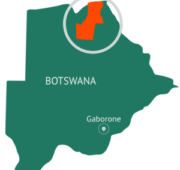
Nestled in the northeastern corner of Botswana, Chobe National Park stands as a crown jewel of wildlife conservation and natural beauty. It is one of the most renowned and accessible national parks in the country, drawing visitors from around the world. Chobe National Park is particularly famous for its colossal elephant herds, making it a must-visit destination for wildlife enthusiasts. Here, you can witness the incredible sight of hundreds of elephants congregating along the Chobe River, bathing, drinking, and socializing.
This remarkable display of these gentle giants in their natural habitat is an awe-inspiring experience that leaves a lasting impression. However, Chobe National Park is not just about elephants. The park’s diverse ecosystems encompass a range of habitats, including vast floodplains, dense woodlands, and riverine forests, creating an ideal environment for a rich variety of wildlife. Lions, leopards, buffalos, giraffes, zebras, and numerous antelope species roam freely, offering thrilling game-viewing opportunities. One of the best ways to explore Chobe National Park is through game drives. Accompanied by experienced guides, you can venture deep into the park’s wilderness, tracking animal movements and observing their behavior up close.
The open 4×4 vehicles provide excellent vantage points for wildlife sightings and allow you to immerse yourself in the sights, sounds, and scents of the African bush. Another popular activity in Chobe National Park is the river safari along the Chobe River. Board a boat or a traditional mokoro canoe and glide through the tranquil waters, observing wildlife as they come to the river’s edge to drink or bathe. This unique perspective allows for incredible encounters with hippos, crocodiles, and an abundance of bird species, including colorful kingfishers and majestic African fish eagles. Chobe National Park offers a range of accommodation options to suit various budgets and preferences. Luxury lodges, tented camps, and campsites are strategically located within or near the park, providing opportunities for a comfortable stay while being immersed in the wilderness.
Whether you are a wildlife enthusiast, a nature lover, or a photographer seeking extraordinary moments, Chobe National Park promises an unforgettable experience. The park’s awe-inspiring landscapes, diverse wildlife, and thrilling safari activities create an atmosphere of wonder and discovery. Prepare to be captivated by the natural wonders of Chobe National Park and the incredible wildlife encounters that await you.
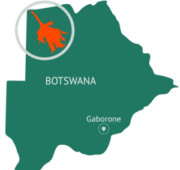
The Okavango Delta, often referred to as the jewel of Botswana, is a true natural wonder and a UNESCO World Heritage Site. Located in the northwest part of the country, it is a unique inland delta formed by the Okavango River, creating a labyrinth of waterways, lagoons, and islands that stretch across approximately 15,000 square kilometers. The Okavango Delta is a haven for wildlife and a paradise for nature enthusiasts. Its diverse habitats, including floodplains, channels, grassy plains, and palm-fringed islands, support an extraordinary array of animal and plant species.
The delta’s pristine ecosystems sustain a rich diversity of wildlife, making it one of Africa’s premier safari destinations. Exploring the Okavango Delta is a true adventure, and there are various ways to experience its unparalleled beauty. Mokoro excursions are a popular choice, where you glide silently through the narrow waterways in traditional dugout canoes. This allows for an intimate encounter with the delta’s wildlife, from playful hippos to colorful birdlife. Skilled polers navigate the mokoros, sharing their knowledge of the delta’s flora and fauna along the way. Guided walking safaris offer another perspective, allowing you to explore the delta’s islands and floodplains on foot. Accompanied by experienced guides, you’ll have the opportunity to track wildlife, learn about the smaller aspects of the ecosystem, and appreciate the intricacies of the delta’s delicate balance.
For a more extensive exploration, game drives are available in the private concessions surrounding the delta. These drives take you through a mosaic of habitats, increasing your chances of encountering iconic African wildlife such as elephants, lions, leopards, buffalos, and an array of antelope species. Night drives provide a unique opportunity to spot nocturnal creatures and witness the delta’s enchanting transformations under the moonlit sky. Birdwatchers will be in paradise in the Okavango Delta. With over 500 bird species, including the vibrant malachite kingfisher, the regal African fish eagle, and the elusive Pel’s fishing owl, the delta offers endless opportunities for bird enthusiasts to indulge in their passion.
Accommodation in the Okavango Delta ranges from luxurious lodges to intimate tented camps, all designed to blend harmoniously with the surrounding environment. These camps offer exclusive and remote experiences, providing unparalleled access to the delta’s pristine wilderness. The Okavango Delta is a year-round destination, but the best time to visit depends on your interests. The dry winter months (May to October) are excellent for wildlife viewing, as animals congregate around water sources. The wet summer months (November to April) bring lush greenery, bird migrations, and the opportunity to explore the delta by boat. Immersing yourself in the majesty of the Okavango Delta is an experience like no other. Its untouched beauty, remarkable wildlife, and tranquil waterways combine to create a sense of serenity and awe. Prepare to be captivated by the delta’s ethereal landscapes, unique wildlife encounters, and the magical allure of this natural paradise.
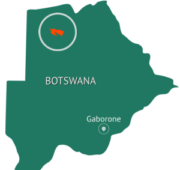
Tucked away within the boundaries of the Okavango Delta, Moremi Game Reserve stands as a true gem of Botswana’s wildlife conservation efforts. Renowned as one of the most beautiful and diverse reserves in Africa, Moremi is a haven for both wildlife enthusiasts and nature lovers alike. Moremi Game Reserve covers approximately 5,000 square kilometers and offers a stunning mosaic of habitats, including lush floodplains, winding waterways, open savannahs, and dense woodlands.
This diverse landscape provides a sanctuary for a remarkable variety of wildlife species, making Moremi a must-visit destination for an authentic African safari experience. The reserve is home to an impressive array of predators, including lions, leopards, cheetahs, and African wild dogs. Their stealth and agility are on full display as they navigate the grasslands and woodlands in search of prey. Moremi is also famous for its large herds of elephants, which can be spotted roaming gracefully through the wilderness. One of the most unique aspects of Moremi Game Reserve is its waterways.
The winding channels and lagoons attract an abundance of wildlife, from hippos and crocodiles to a rich variety of bird species. Boat safaris and mokoro excursions provide an opportunity to explore these waterways, offering a different perspective and allowing for intimate encounters with the delta’s inhabitants. Game drives are a popular way to explore Moremi Game Reserve and its diverse ecosystems. Knowledgeable guides lead you on thrilling expeditions through the reserve, sharing their expertise and tracking wildlife along the way. From the vast floodplains to the shaded woodlands, each turn offers a new chance to spot elusive animals and witness the interplay of predator and prey. For those seeking a more immersive experience, bush walks provide an opportunity to delve into the intricacies of the African wilderness on foot. Accompanied by experienced guides, you’ll discover the smaller wonders of the reserve, from tracks and signs to the fascinating flora and fauna that often go unnoticed during game drives.
Moremi Game Reserve is also a paradise for birdwatchers, with over 500 species recorded within its boundaries. From the striking African fish eagle to the vibrant lilac-breasted roller, bird enthusiasts will be enthralled by the sheer diversity and beauty of the avian inhabitants. Accommodation options in Moremi Game Reserve range from luxury lodges to rustic campsites, allowing visitors to choose the level of comfort that suits their preferences. Many of these accommodations offer exclusive access to prime wildlife viewing areas, ensuring an intimate and unforgettable safari experience. A visit to Moremi Game Reserve promises not only remarkable wildlife encounters but also a deep connection to the natural wonders of Botswana. Its untouched landscapes, diverse ecosystems, and thrilling safari activities make it a must-visit destination for those seeking an authentic African wilderness experience. Prepare to be immersed in the untamed beauty of Moremi and witness the captivating drama of nature unfolding before your eyes.
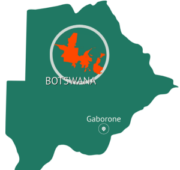
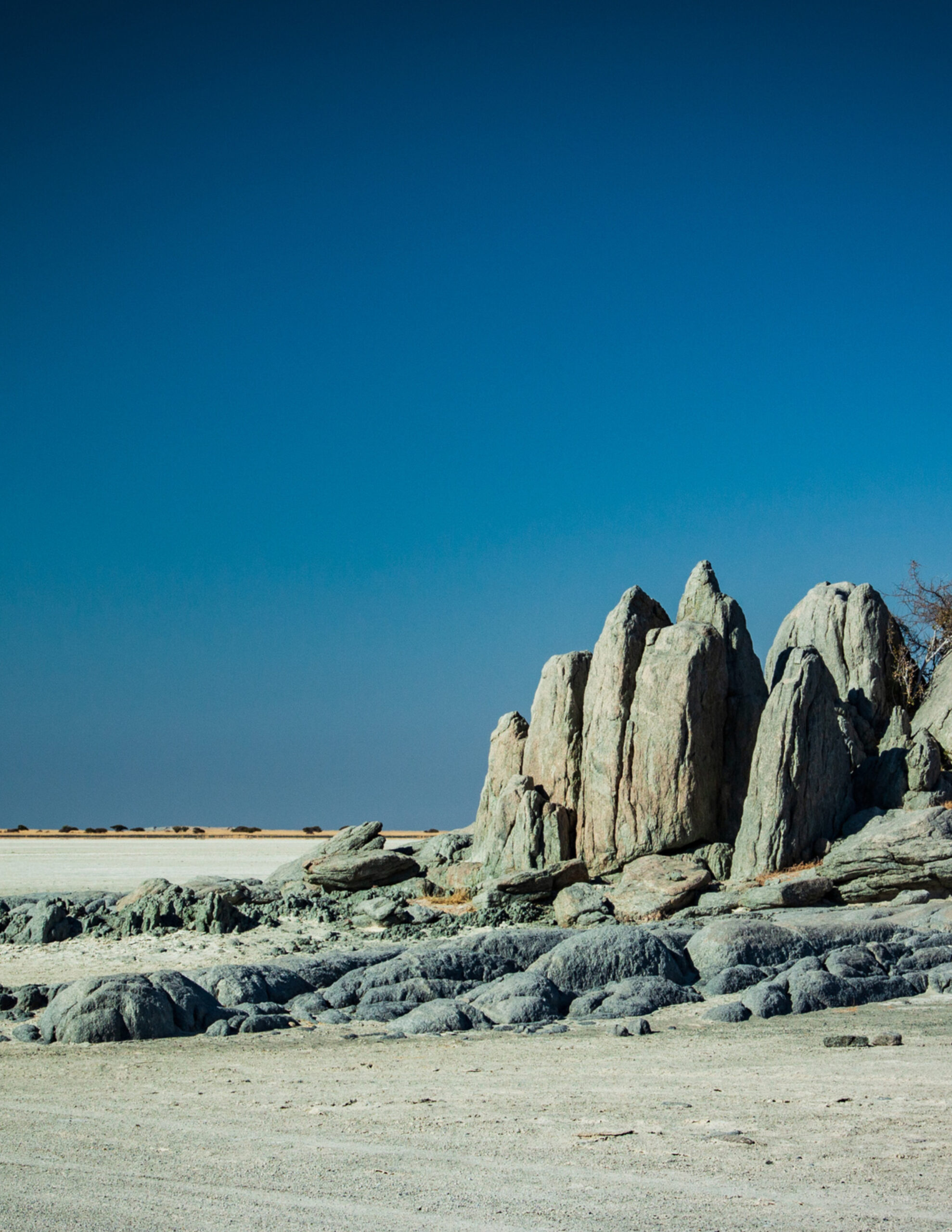
Spanning over 12,000 square kilometers in northeastern Botswana, the Makgadikgadi Pans is a surreal and captivating destination that enchants visitors with its vast expanses of salt pans and unique desert-adapted wildlife. This otherworldly landscape, characterized by shimmering white salt flats that stretch as far as the eye can see, offers a truly unforgettable experience. The Makgadikgadi Pans is actually a collection of several pans, with the two largest being Sua and Ntwetwe.
These pans were once part of an ancient super lake, and their stark beauty is a result of the evaporation of the water over thousands of years. During the dry season, the pans transform into a glistening white expanse, creating a surreal and almost lunar-like atmosphere. While the Makgadikgadi Pans may seem inhospitable at first glance, they actually support a surprising diversity of wildlife. During the rainy season, the pans fill with water, attracting flocks of flamingos and other waterbirds. As the water recedes, it leaves behind nutrient-rich grasses that attract large herds of zebra and wildebeest, triggering one of Africa’s most remarkable wildlife migrations.
Witnessing the spectacle of thousands of these animals traversing the barren landscape is a truly breathtaking experience. The unique desert-adapted wildlife of the Makgadikgadi Pans is another highlight. Keep an eye out for the meerkats that call this arid landscape home, as well as other fascinating creatures such as brown hyenas, bat-eared foxes, and aardvarks. The pans are also home to a resident population of the endangered and elusive black-maned Kalahari lions, making it a privileged location for spotting these majestic predators.
Exploring the Makgadikgadi Pans is a mix of adventure and discovery. Guided quad bike or 4×4 excursions across the pans allow you to traverse the vast expanse of salt flats, taking in the awe-inspiring scenery and searching for wildlife. Witnessing the sunset or sunrise over the expansive horizon is a truly magical moment that will stay with you forever. To gain a deeper understanding of the area and its inhabitants, consider visiting a local community. Interacting with the indigenous people, such as the Ntwetwe and Gwihaba Bushmen, offers a chance to learn about their ancient traditions, survival skills, and the unique way of life adapted to this harsh environment.
Accommodations in the Makgadikgadi Pans range from luxury lodges to rustic campsites, offering a chance to experience the remote beauty of this region while enjoying modern comforts. Some lodges also offer guided walks, cultural experiences, and stargazing opportunities, as the clear night skies above the pans provide an ideal canvas for stargazers and astrophotography enthusiasts. The Makgadikgadi Pans is a destination that defies expectations, revealing its hidden wonders to those who venture into its seemingly barren landscapes. Its surreal beauty, unique wildlife, and cultural experiences make it a captivating addition to any Botswana itinerary. Prepare to be spellbound by the ethereal beauty of the Makgadikgadi Pans, where the vastness of the desert and the solitude of the pans create a sense of wonder and discovery.
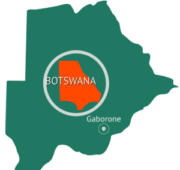
Situated in the heart of Botswana, the Central Kalahari Game Reserve is a vast and remote wilderness that offers a truly off-the-beaten-path safari experience. Encompassing over 50,000 square kilometers, it is one of the largest game reserves in the world and a sanctuary for unique wildlife and the indigenous San Bushmen.
The Central Kalahari Game Reserve presents a striking contrast to the lush Okavango Delta and other watery ecosystems of Botswana. Here, the landscape is dominated by expansive grasslands, golden savannahs, and ancient sand dunes that create a sense of untouched wilderness. The vastness of the reserve is awe-inspiring, immersing visitors in a world where nature reigns supreme. The reserve’s arid environment is home to a remarkable array of wildlife that has adapted to survive in this harsh, desert-like setting. The Central Kalahari is known for its populations of iconic African predators such as lions, cheetahs, leopards, and hyenas. It is also a prime habitat for herbivores like giraffes, wildebeests, springboks, and oryx, which have developed unique strategies to find water and withstand dry conditions.
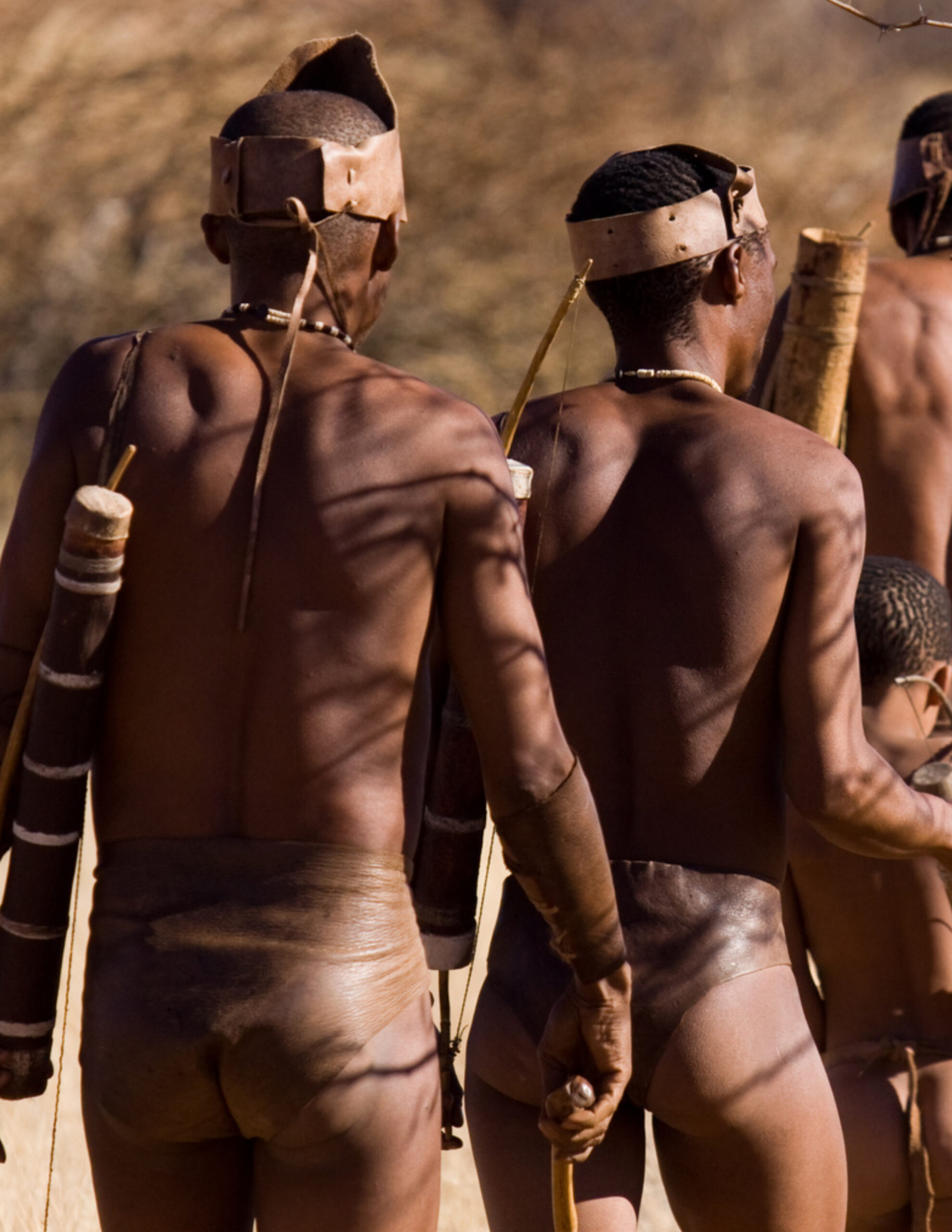
One of the main draws of the Central Kalahari Game Reserve is the opportunity to interact with the San Bushmen, one of the oldest cultures on Earth. These hunter-gatherers have lived in harmony with the land for centuries and possess an intimate knowledge of the reserve’s flora, fauna, and survival techniques. Spending time with the San Bushmen provides a unique cultural experience, where you can learn about their ancient traditions, tracking skills, and how they have adapted to thrive in the Kalahari. Exploring the Central Kalahari Game Reserve is an adventure in itself. The vastness and remoteness of the reserve make it a true wilderness experience, where you can immerse yourself in the solitude and raw beauty of the landscape.
Game drives through the grassy plains and along dry riverbeds offer the chance to spot elusive wildlife and witness the interactions of predator and prey. Birdwatchers will also be delighted by the diverse avian species that call the Central Kalahari home. From raptors soaring through the sky to colorful desert-dwelling birds, the reserve offers a rich and unique birding experience. Accommodations in the Central Kalahari Game Reserve range from secluded luxury lodges to rustic bush camps. These lodgings provide an opportunity to experience the tranquility of the reserve and its breathtaking night skies, where stars twinkle brilliantly against the backdrop of the Kalahari.
Visiting the Central Kalahari Game Reserve is a chance to disconnect from the modern world and connect with the wild spirit of Africa. Its vast landscapes, unique wildlife, and cultural encounters offer a remarkable journey into the heart of Botswana’s untouched wilderness. Prepare to be captivated by the raw beauty and the sense of untamed freedom that the Central Kalahari Game Reserve has to offer.
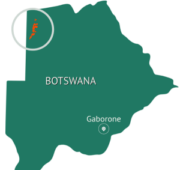
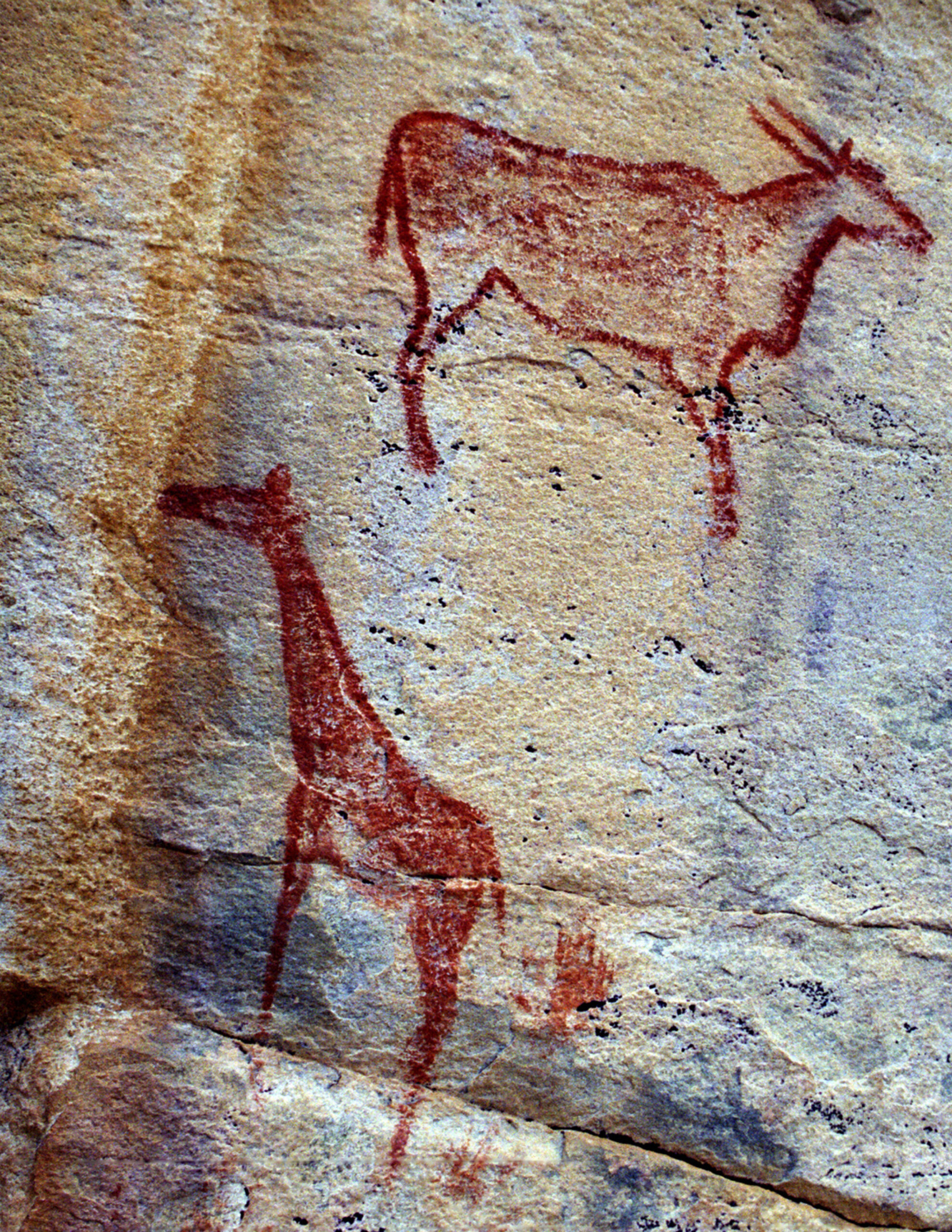
Tsodilo Hills, located in northwestern Botswana, is a UNESCO World Heritage Site and a place of immense cultural and spiritual significance. Revered as the “Louvre of the Desert,” this collection of rocky hills is home to one of the highest concentrations of rock art in the world, providing a glimpse into the rich history and spiritual beliefs of the San people who have inhabited the area for thousands of years.
The Tsodilo Hills rise abruptly from the flat surrounding landscape, creating a dramatic and mystical sight. Comprising four main hills—Child Hill, Female Hill, Male Hill, and the highest peak, the Rhino Horn—the Tsodilo Hills are an important spiritual site for the San people, who consider them sacred and believe that they are the dwelling place of ancestral spirits. Exploring the Tsodilo Hills is a journey into the past, as the hills are adorned with thousands of rock paintings and engravings that date back over 20,000 years.
These ancient artworks depict various aspects of San life, including hunting scenes, animal migrations, and spiritual rituals. The intricate details and vibrant colors of the rock art provide a fascinating insight into the beliefs, traditions, and daily lives of the San people throughout the ages. Guided tours of the Tsodilo Hills offer visitors the opportunity to explore the different hills and learn about the significance of this rock art from knowledgeable guides. As you hike through the rugged terrain, you’ll encounter numerous rock shelters and caves adorned with captivating paintings.
The guides share stories and legends passed down through generations, helping you to appreciate the deep cultural and spiritual connections associated with this sacred site. Apart from the rock art, the Tsodilo Hills are also home to a diverse array of flora and fauna. Keep an eye out for unique plant species that have adapted to the harsh desert conditions, as well as wildlife such as antelopes, baboons, and a variety of bird species. The hills provide a serene and tranquil environment, allowing visitors to connect with nature and experience a sense of awe and reverence.
Camping facilities are available near the Tsodilo Hills, allowing visitors to spend more time in this sacred place and fully immerse themselves in the atmosphere. Stargazing at night is a particularly enchanting experience, as the remote location offers minimal light pollution and reveals a breathtaking canvas of stars. A visit to the Tsodilo Hills is not only a chance to appreciate the beauty of the natural landscape but also an opportunity to gain a deeper understanding of the cultural heritage of the San people. It is a place where the past comes alive through vivid rock art, where spirituality and nature converge, and where you can feel a profound connection to the ancient traditions that have shaped the identity of the San people.
The Tsodilo Hills stands as a testament to the enduring legacy of the San people and their intimate relationship with the land. As you explore this sacred site, you’ll be transported back in time, unraveling the mysteries of the past while being immersed in the timeless beauty of the hills. Prepare to be enchanted by the Tsodilo Hills, a place that whispers stories of the ancient past and holds a profound spiritual significance for those who seek it.
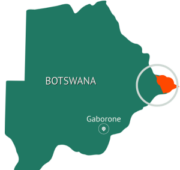
Nestled in the easternmost corner of Botswana, the Tuli Block is a hidden gem that offers a unique and diverse safari experience. Bordered by Zimbabwe to the northeast and South Africa to the southeast, this picturesque region is known for its stunning landscapes, abundant wildlife, and rich cultural heritage. The Tuli Block is characterized by its rugged beauty and varied topography. From rolling grasslands to rocky outcrops, and from lush riverine forests to ancient baobab trees, the landscape is a captivating blend of different ecosystems.
The Limpopo River meanders through the area, creating a lifeline for wildlife and adding to the scenic beauty of the region. Wildlife enthusiasts will be delighted by the Tuli Block’s diverse animal populations. The area is home to a variety of iconic African species, including elephants, lions, leopards, cheetahs, zebras, giraffes, and a plethora of antelope species. Game drives and guided walks provide opportunities to spot these magnificent creatures up close and witness their natural behaviors in their natural habitat. The Tuli Block is renowned for its birdlife as well, with over 350 species recorded in the area. From striking raptors soaring above to colorful bee-eaters perched on branches, birdwatchers will be treated to a visual and auditory feast of avian wonders.
One of the highlights of the Tuli Block is the Mashatu Game Reserve, a private reserve that spans 29,000 hectares and offers exclusive safari experiences. Known as the “Land of Giants,” Mashatu is named after the majestic Mashatu trees that dot the landscape. It is home to large herds of elephants, as well as an abundance of predators and other wildlife. Game drives, guided walks, and photographic safaris are some of the activities available in this reserve, allowing visitors to fully immerse themselves in the beauty of the African wilderness.
The Tuli Block is also rich in cultural heritage, with evidence of human presence dating back thousands of years. Rock art sites, ancient ruins, and archaeological discoveries showcase the area’s historical significance. Visitors can explore these cultural treasures and learn about the ancestral connections to the land. Accommodations in the Tuli Block range from luxury lodges to intimate tented camps, all designed to blend harmoniously with the natural surroundings. Many of these establishments offer exclusive access to private reserves, ensuring an intimate and personalized safari experience.
Exploring the Tuli Block is a journey of discovery, where nature, wildlife, and culture intertwine to create an unforgettable experience. The scenic beauty, abundant wildlife, and cultural richness make it a must-visit destination for those seeking a unique and off-the-beaten-path safari adventure. Prepare to be captivated by the Tuli Block’s wild beauty and the sense of connection it instills with the natural world.
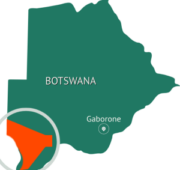
The Kgalagadi Transfrontier Park, spanning to both Botswana and South Africa, is a vast and untamed wilderness that offers a truly immersive and rugged safari experience. Covering an area of over 3.6 million hectares, it is one of the largest conservation areas in the world and a haven for nature enthusiasts and wildlife lovers. The Kgalagadi Transfrontier Park is renowned for its unique desert-adapted wildlife and stunning landscapes.
The park is characterized by its vast expanses of red sand dunes, sparse vegetation, and wide-open spaces. This arid environment creates a stark and captivating backdrop for wildlife encounters and dramatic sunsets. One of the park’s main attractions is its impressive predator population. The Kgalagadi is known for its abundance of lions, cheetahs, and leopards. These majestic predators roam the vast wilderness, providing visitors with incredible opportunities to witness their hunting prowess and observe their social dynamics. In addition to the predators, the park is home to a diverse range of wildlife. Large herds of gemsbok (oryx), springbok, and wildebeest can be spotted traversing the plains, while giraffes gracefully feed on the thorny acacia trees.
Bird enthusiasts will also be delighted by the variety of raptors, including the striking martial eagle and the iconic black-chested snake eagle. One of the unique features of the Kgalagadi Transfrontier Park is its remote and untouched atmosphere. The park offers a true sense of wilderness, with limited infrastructure and a low number of visitors. This allows for an intimate and authentic safari experience, where you can truly connect with nature and appreciate the raw beauty of the African bush. Game drives and guided walks are popular activities in the Kgalagadi Transfrontier Park, allowing visitors to explore the park’s diverse habitats and encounter its resident wildlife. The park is also known for its excellent opportunities for bird watching and photography, with its stunning landscapes and wildlife providing endless inspiration. Camping is a popular accommodation choice in the park, with several well-equipped campsites available.
Falling asleep to the sounds of the African night and waking up to the sight of a breathtaking sunrise is an experience that will stay with you forever. Some lodges and rest camps also offer comfortable chalet-style accommodations for those seeking a bit more luxury during their stay. It’s important to note that due to the park’s vast size and rugged terrain, it is recommended to have a 4×4 vehicle and be prepared for self-driving and self-sufficiency. The park’s remoteness and limited facilities contribute to its allure but also require visitors to plan and prepare accordingly. The Kgalagadi Transfrontier Park is a place of wild beauty and untouched wilderness. Its unique desert landscapes, abundant wildlife, and sense of seclusion make it a must-visit destination for those seeking an off-the-beaten-path safari adventure. Prepare to be captivated by the raw and untamed allure of the Kgalagadi, where the spirit of the African bush comes alive in its purest form.
Geology
Long ago, the supercontinent Gondwanaland began to break apart, causing the continents to drift away from each other. By the time this separation occurred, the foundation of southern Africa, the Karoo Lavas, had already formed and settled.
Kimberlite pipes play a significant role in the region. Diamonds, which are crystalline forms of carbon, are created under extreme pressure and temperature deep beneath the Earth's surface. These conditions are found only in the lower crust or upper mantle. In a volcanic process similar to conventional eruptions, the rock matrix containing diamonds experienced immense pressure, becoming fluid and rising to the surface through kimberlite pipes—a peculiar rock containing various minerals, including diamonds, as well as other rocks caught in the process. Kimberlite pipes can be found across southern Africa, from Cape to Zaire, although only a small percentage of these pipes contain enough diamonds for profitable mining.
Botswana is home to diamond mines that extract diamonds from kimberlite pipes at Orapa and Jwaneng. Interestingly, Namibia, Botswana's neighbor, possesses diamond deposits along its Atlantic coast. These deposits are classified as "secondary diamond deposits" because they were not directly sourced from kimberlite pipes. Instead, the diamonds in Namibia were eroded from ancient pipes within the interior and carried by ancient rivers to the coast, where they settled in sedimentary deposits.
The formation of the Kalahari Desert, known for its wind-blown sands, can be traced back to the Tertiary Period when Botswana's climate was likely arid. As the region's rocks eroded, sand accumulated, eventually shaping the Kalahari as we know it today.
In the past, the courses of rivers such as the Okavango, Kwando, and Zambezi differed from their current paths. It is believed that seismic shifts uplifted parts of southern and central Botswana, creating watershed areas known as the "Zimbabwe-Kalahari Axis" and the "Bakalahari Schwelle." These shifts caused the redirection and separation of rivers, ultimately leading to the formation of a vast ancient lake known as Lake Makgadikgadi. The lake, which experienced fluctuations in size over millennia, covered an area as extensive as 80,000 square kilometers at its peak. It likely extended from Lake Ngami in the west to present-day Chobe in the north and even reached the edge of Zimbabwe in the east.
Evidence of Lake Makgadikgadi's existence can be found in the form of ancient shorelines scattered throughout the area. Sand ridges, like the Magwikwe Sand Ridge between Savuti and North Gate, mark the former shorelines. Isolated hills in the Kalahari also contain water-worn rocks and pebbles at their bases, providing further proof of the lake's presence. In some areas of the Makgadikgadi, Stone-Age tools, and artifacts can be discovered, remnants of encampments that once existed along the lake's shores thousands of years ago.
The flow of water into Lake Makgadikgadi gradually shifted as fault lines emerged beneath the sands of northern Botswana. These faults are extensions of the same fault lines responsible for East Africa's Great Rift Valley. The Linyanti-Gumare Fault, running parallel to the Kunyere and Thamalakane faults, played a significant role in diverting rivers and ultimately forming the Okavango Delta. The fault lines gradually pulled away from each other, creating a depression where the Okavango River settled and spread, giving rise to the delta we see today.
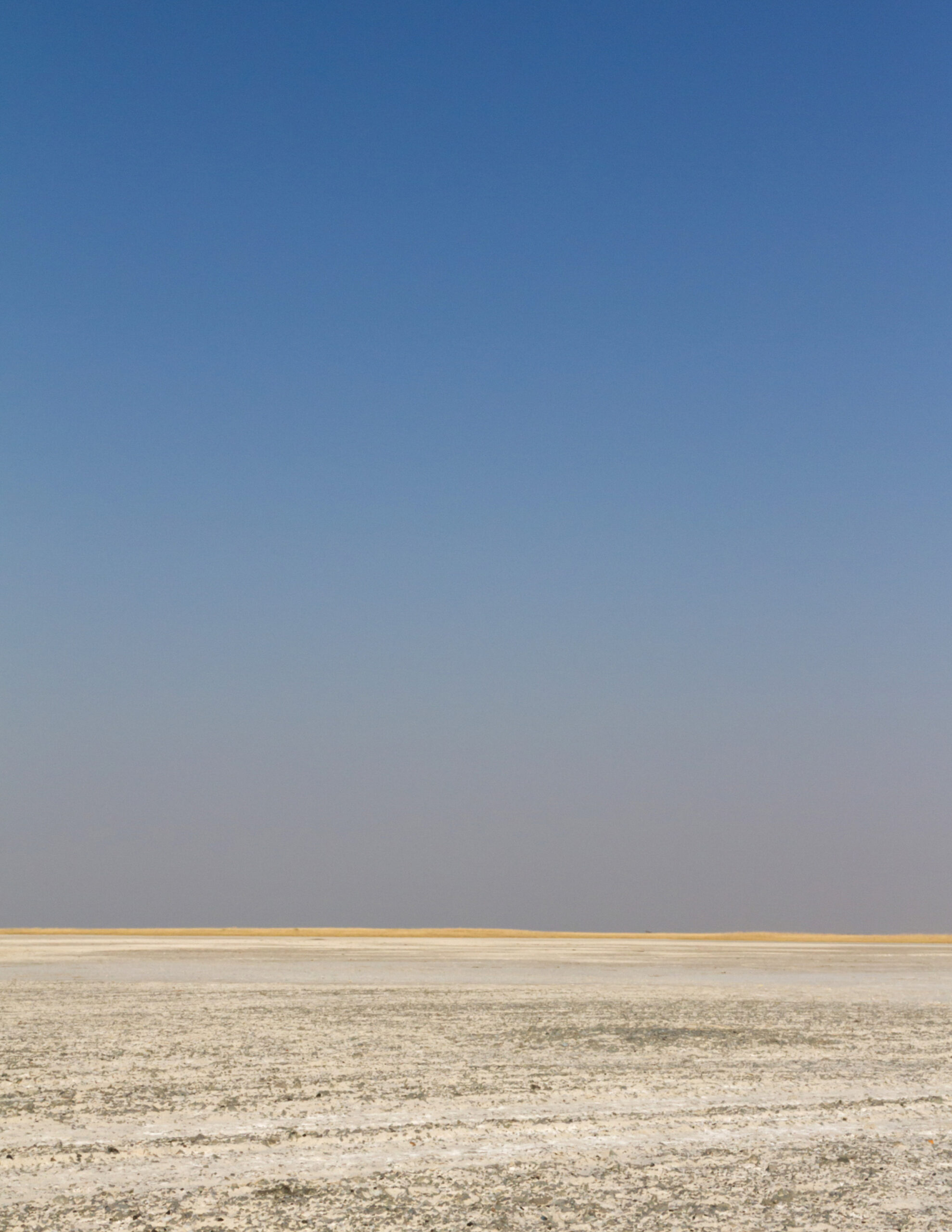
As the feeding rivers of Lake Makgadikgadi were diverted, the lake gradually lost its water sources over an extended period of time. The lake's size varied over millennia, with geologists identifying at least five distinct levels of the lake throughout its history. As the climate became drier and the lake received less inflow, it began to shrink. Eventually, with no known outflows, the remaining water evaporated, leaving behind concentrated salts that crystallized at the lowest point of the lake, forming the remarkably flat surface of the Great Salt Pans.
These expansive salt pans, located in the northern Kalahari, are a distinctive feature of the landscape. The lack of vegetation in the highly saline environment prevents plant growth, creating a vast expanse of shimmering white salts. The Great Salt Pans are a fascinating testament to the geological history of the region and provide a unique and captivating sight for visitors exploring the northern reaches of Botswana.
Exploring the geological wonders of Botswana, from the formation of diamonds in kimberlite pipes to the ancient Lake Makgadikgadi and the remarkable Great Salt Pans, offers visitors a deeper understanding of the natural forces that have shaped this diverse and captivating country. Whether you're a geology enthusiast or simply curious about the world's natural wonders, Botswana's geological attractions are sure to leave you in awe of the Earth's incredible processes and the beauty they have created.
Fauna & Flora
Botswana, located in Southern Africa, encompasses a variety of biomes and ecological regions, each characterized by unique environmental conditions, flora, and fauna. Here's an overview of the main biomes found in Botswana, along with the ecological regions within each biome and the common flora and fauna you can expect to find:
Kalahari Desert Biome:
The Kalahari Desert dominates a large portion of Botswana. It is a semi-arid desert characterized by sandy soils, sparse vegetation, and extreme temperatures. Within this biome, several ecological regions can be identified:
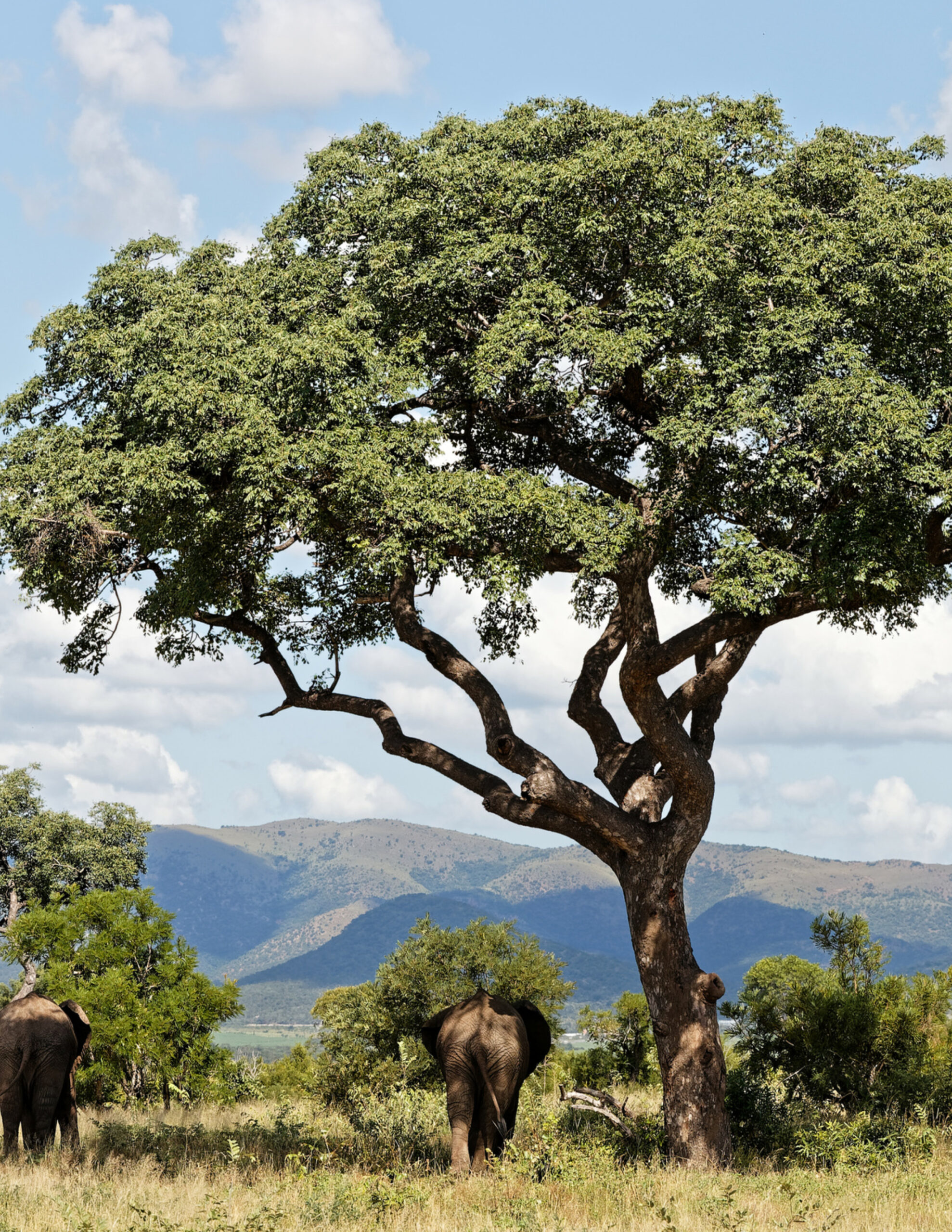
a. Kalahari Xeric Savannah: This region features dry savannah grasslands and scattered trees. Common flora includes Vachellia erioloba (Camelthorn) and Stipagrostis grasses. Fauna includes large mammals like springbok, gemsbok, and predators like lions and cheetahs.
b. Kalahari Semi-desert: This region has sandy soils and supports adapted flora such as Acacia trees, Stipagrostis grasses, and succulents like Hoodia gordonii. Fauna includes animals like meerkats, desert-adapted elephants, and antelopes.
Okavango Delta and Savanna Biome:
The Okavango Delta is a unique inland delta that creates a lush oasis within the otherwise arid region. It is surrounded by diverse savanna landscapes. Ecological regions within this biome include:
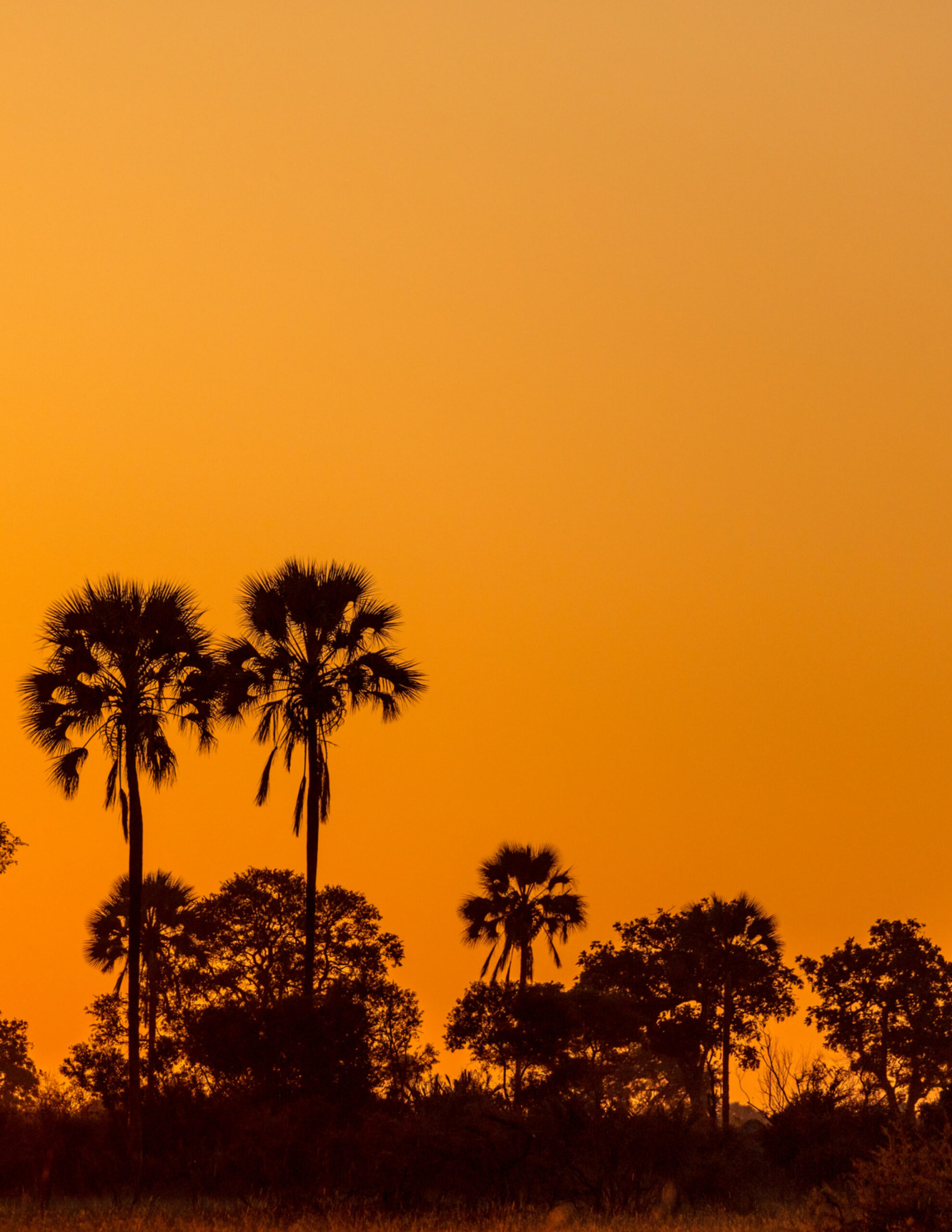
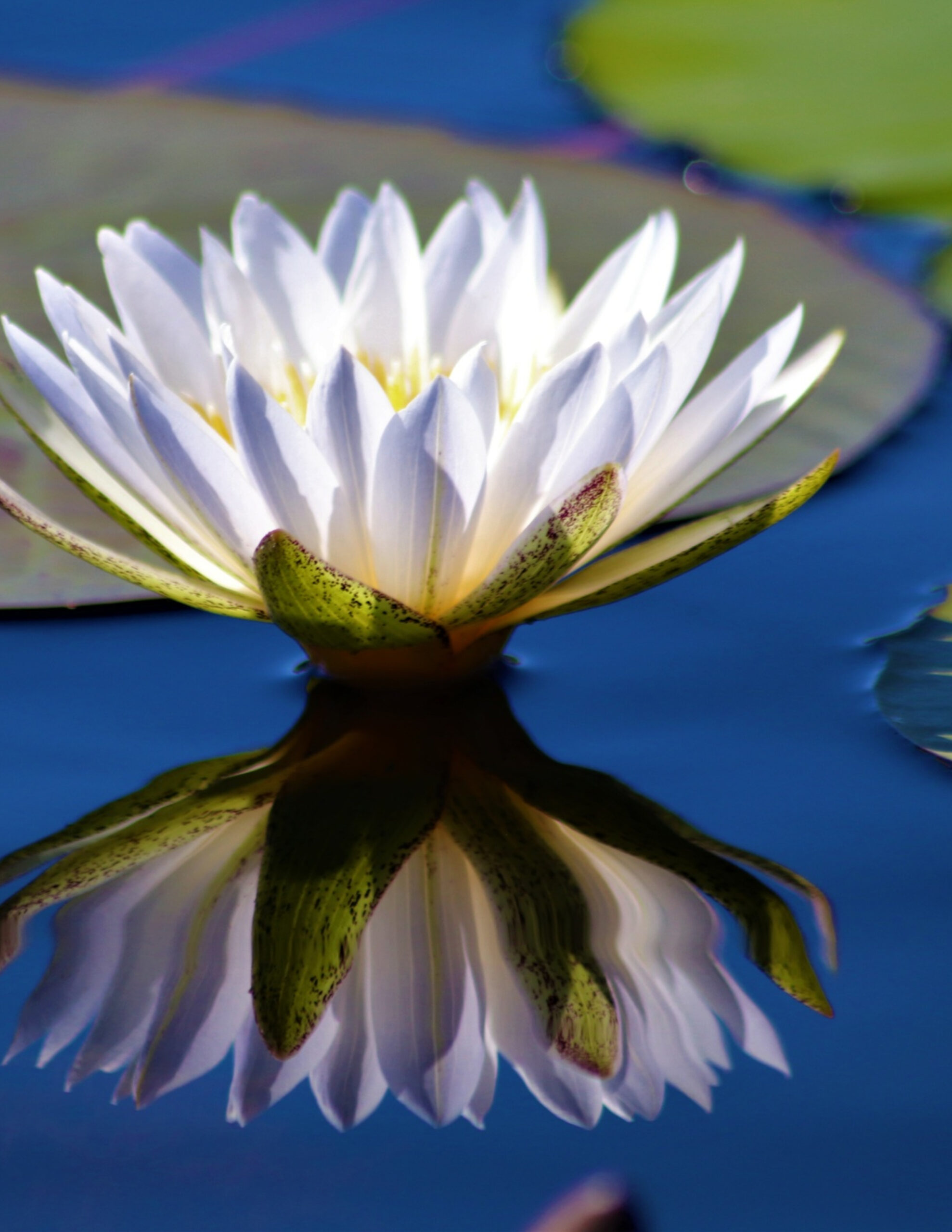
a. Okavango Delta: This region consists of permanent swamps, channels, and floodplains. It supports a rich variety of aquatic plants, papyrus reeds, and water lilies. Fauna includes African elephants, hippos, crocodiles, and a wide range of bird species.
b. Linyanti and Kwando Floodplains: These regions experience seasonal flooding and support reed beds, grasses, and woodlands. Common flora includes Phragmites reeds, Xerophyta succulents, and Baikiaea trees. Fauna includes large herds of elephants, buffalos, predators like lions, and an abundance of birdlife.
Chobe National Park and Zambezi Floodplain Biome:
Located in northern Botswana, this biome encompasses the Chobe National Park and the Zambezi floodplains. Ecological regions within this biome include:
a. Chobe Riverfront: This region features riverine woodlands, floodplains, and grasslands. Common flora includes Baikiaea trees, Combretum species, and water-loving plants like Phragmites. Fauna includes large herds of elephants, buffalos, antelopes, and diverse bird species.
b. Zambezi Floodplain: This region experiences seasonal flooding and supports grasses, sedges, and water-adapted trees. Common flora includes Baikiaea trees, Mopane trees, and Cyperus sedges. Fauna includes hippos, crocodiles, elephants, and an array of birdlife.
Makgadikgadi Pans and Salt Flats Biome:
The Makgadikgadi Pans are large salt flats in northeastern Botswana. This unique biome encompasses:
a. Makgadikgadi Salt Pans: These salt pans are characterized by dry, barren landscapes, with halophytic plants adapted to saline conditions. Common flora includes Suaeda species and grasses like Cenchrus ciliaris. Fauna includes meerkats, migratory zebra, and wildebeest herds, and various bird species.
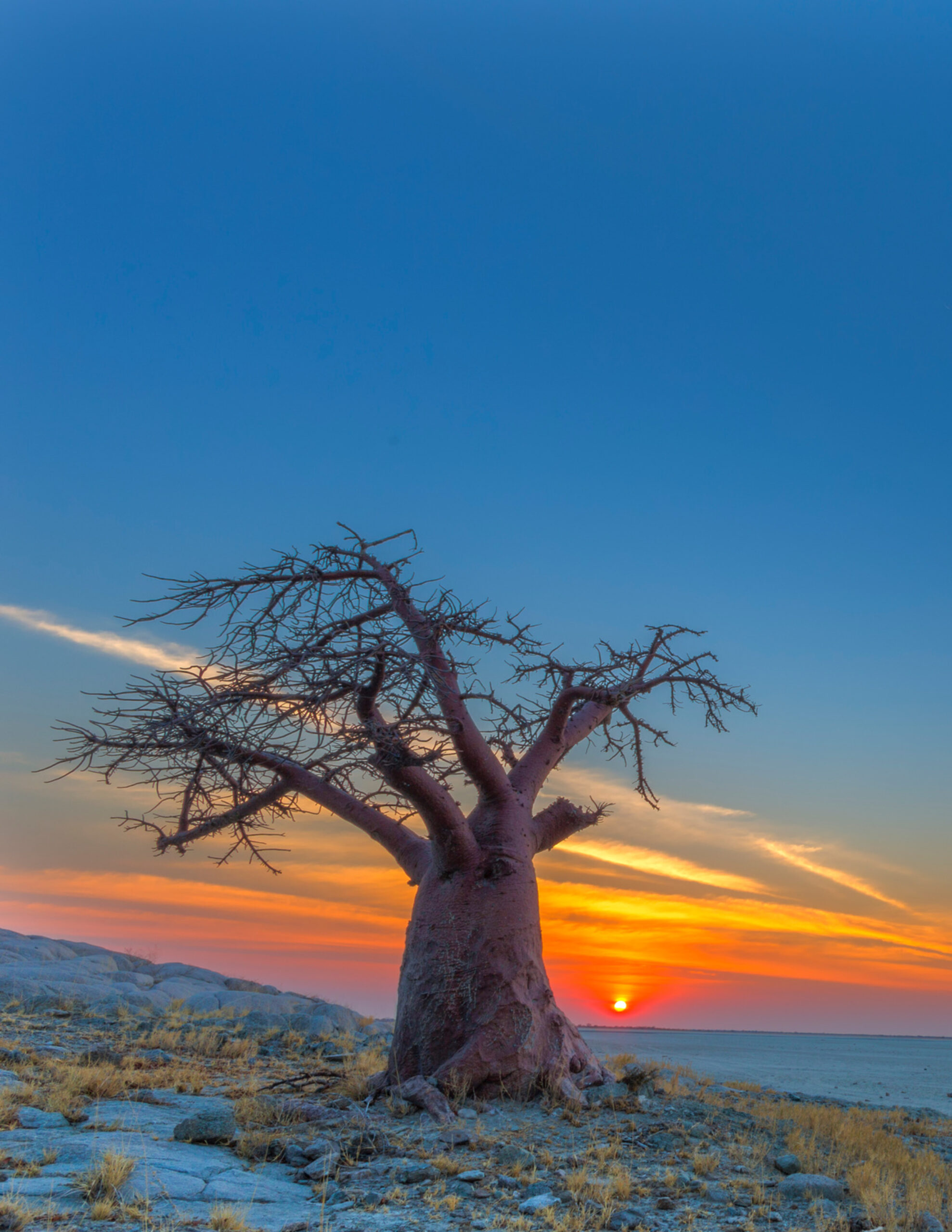
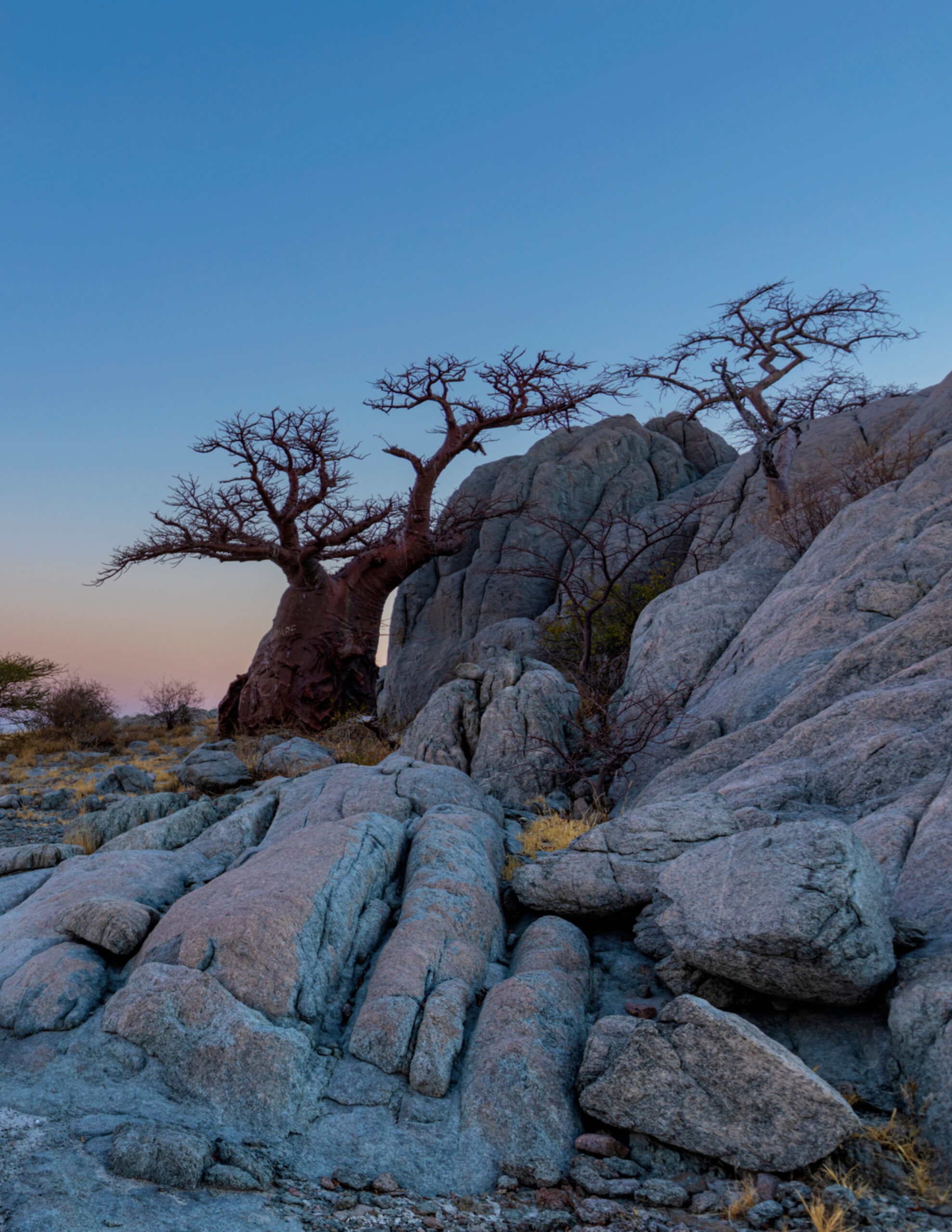
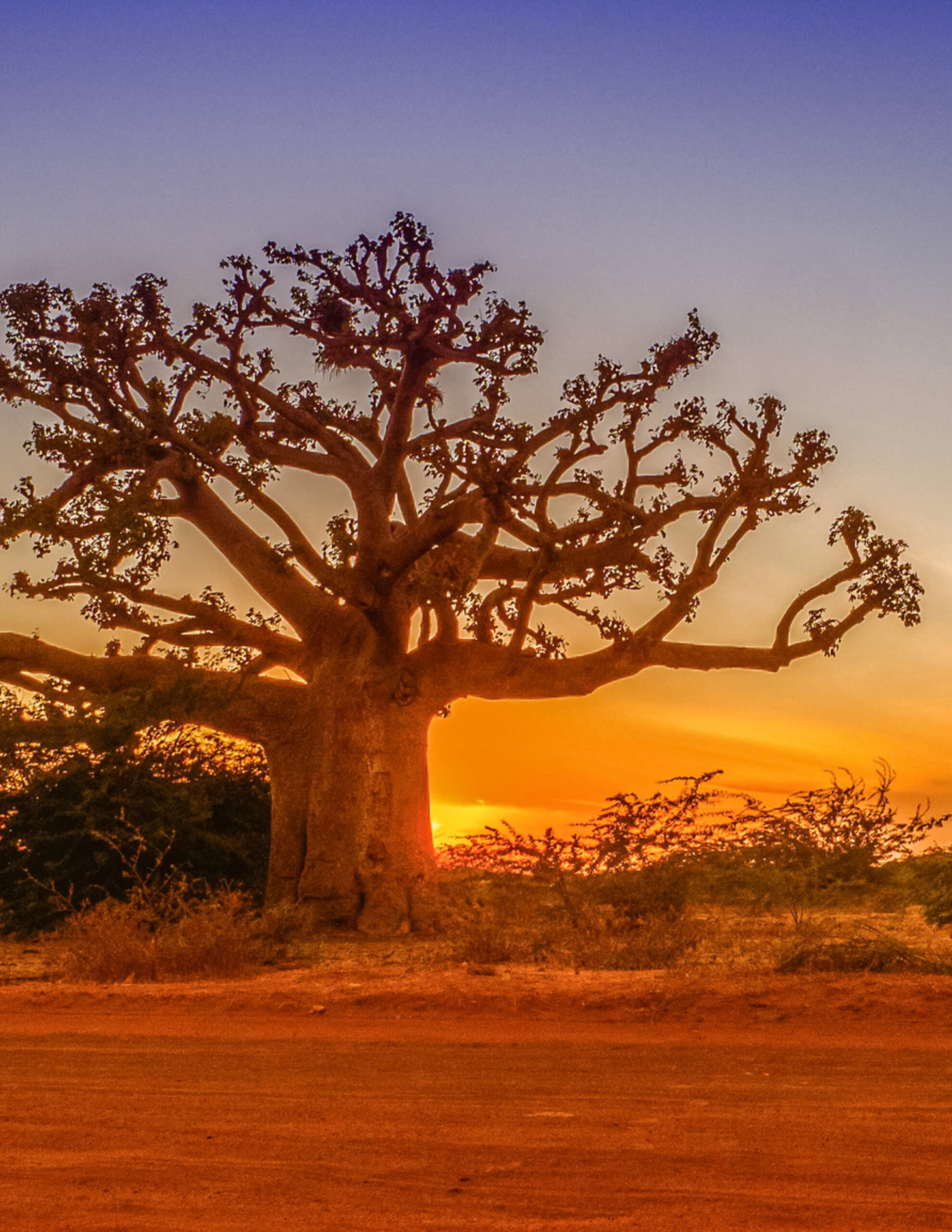
b. Nxai Pan National Park: This region has open grasslands, acacia woodlands, and the iconic Baines' Baobabs. Flora includes Baobab trees, Vachellia erioloba (Camel Thorn), and grasses like Themeda triandra. Fauna includes zebra herds, wildebeests, lions, and numerous bird species.
These are some of the main biomes and ecological regions found in Botswana, along with their characteristic flora and fauna. It's important to note that the specific composition of flora and fauna can vary within each region, and some species may be migratory or transient depending on the seasonal availability of water and food resources.
A Brief History of Botswana
The history of Botswana revolves around the Kalahari region, situated between the more densely populated savanna in the north and east, and the sparsely populated steppe in the south and west. While Botswana played a peripheral role in Southern Africa for most of the 20th century, there were times when it served as a central area for historical development.
Ancient Origins and Pre-Colonial Period:
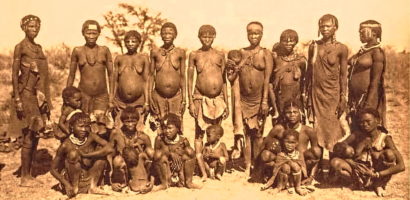
Botswana's ancient origins can be traced back thousands of years, with evidence of human presence in the region dating as far back as the Stone Age. Archaeological findings, including rock paintings and stone tools, indicate that hunter-gatherer communities inhabited the area, relying on hunting, gathering, and fishing for their subsistence.
Around the 4th century AD, Bantu-speaking groups began migrating into the region, bringing with them new technologies, agricultural practices, and social structures. These Bantu communities established settled farming communities, cultivating crops such as sorghum, millet, and beans. This transition from a nomadic lifestyle to sedentary agriculture laid the foundation for the development of more complex social systems. By the 15th century, the Tswana people emerged as one of the most influential groups in the region. The Tswana were composed of various clans and chiefdoms, each with its own distinct customs, dialects, and political organizations. Prominent Tswana chiefdoms included the Bangwato, Bakwena, Bangwaketse, and Barolong, among others. These chiefdoms were characterized by hierarchical structures, with a paramount chief or kgosi at the top, assisted by a council of elders and sub-chiefs.
Trade played a crucial role in the pre-colonial period of Botswana's history. The Tswana engaged in long-distance trade networks, exchanging goods such as ivory, salt, iron, and livestock with neighboring societies. Trade routes stretched across the region, linking Botswana to other parts of Southern Africa, including present-day Zimbabwe and South Africa. Religion and spiritual beliefs held a significant place in pre-colonial Botswana. Ancestral worship and animism formed the basis of the Tswana's spiritual practices. They believed in a supreme creator, known as Modimo, and the spirits of their ancestors played a vital role in their daily lives. Rituals and ceremonies were conducted to honor and communicate with the ancestors, seeking their guidance and blessings.
Conflict and warfare were also prevalent during the pre-colonial period. Disputes over land, resources, and political control sometimes led to inter-tribal conflicts. The Tswana chiefdoms often had complex alliances and rivalries, with occasional warfare and territorial disputes occurring among them. The Tswana people had a rich oral tradition, passing down their history, customs, and values through storytelling, proverbs, and praise poetry. Griots, known as bards or praise singers, played a crucial role in preserving and transmitting this cultural heritage from one generation to the next.
Overall, the pre-colonial period in Botswana's history was characterized by the development of agricultural societies, intricate social structures, extensive trade networks, and a vibrant cultural heritage. These foundations would shape the country's future as it navigated the challenges and transformations of colonialism and independence.
Colonial Era and Bechuanaland Protectorate:
The colonial era in Botswana's history began in the 19th century with the arrival of European explorers and missionaries in the region. The British influence gradually increased, shaping the political and economic landscape of what would become Botswana. One of the key figures during this period was David Livingstone, a Scottish explorer and missionary. Livingstone's expeditions in the mid-19th century brought international attention to the region, highlighting its geographical features and resources. Livingstone's reports on the potential for trade and missionary work in the area sparked further European interest.
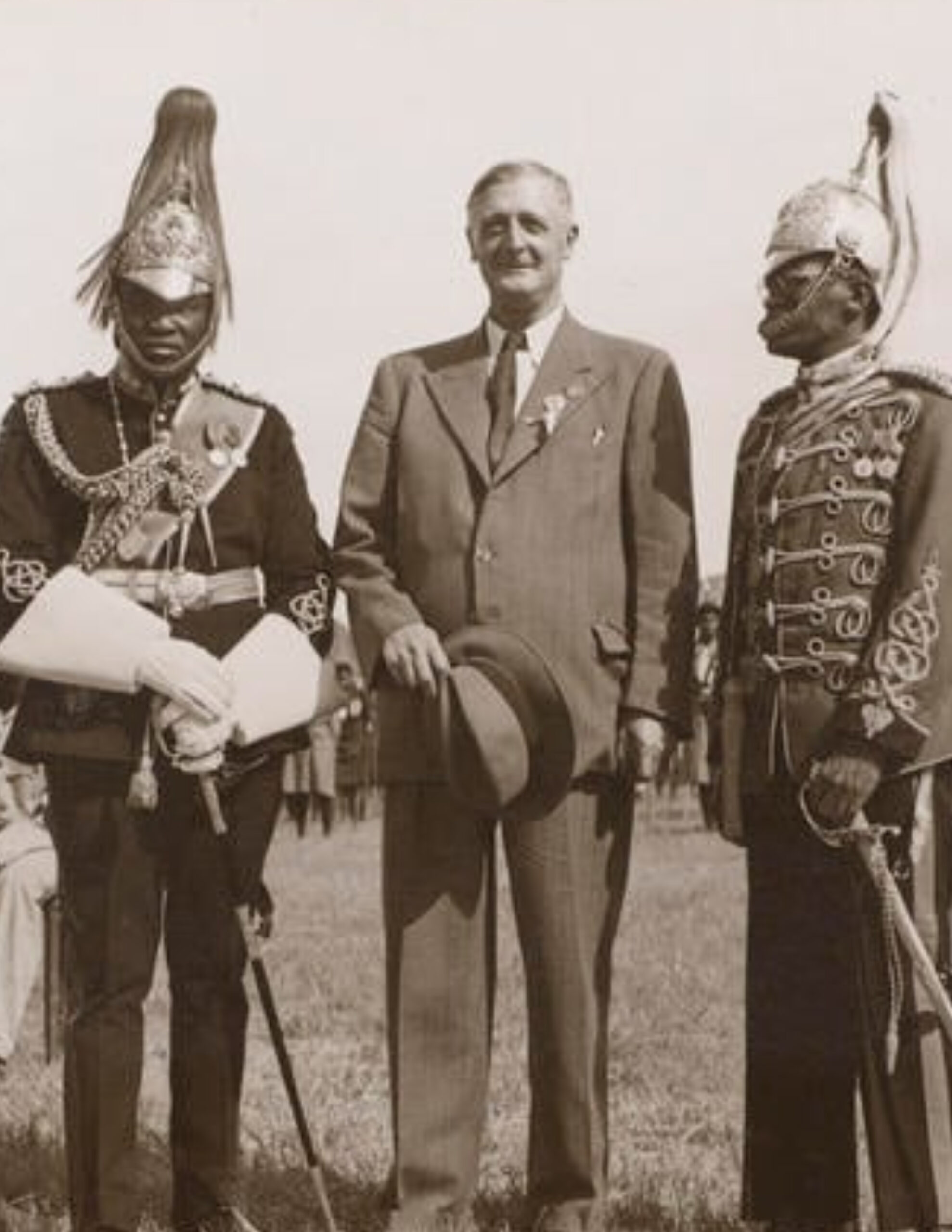
In 1885, Botswana was declared a British protectorate, known as the Bechuanaland Protectorate. This designation aimed to shield the region from the territorial ambitions of European powers and maintain relative stability. The protectorate status ensured that Botswana remained independent from the neighboring British colonies of South Africa and Rhodesia (now Zimbabwe). During this time, tribal leaders in Botswana actively sought British protection to safeguard their territories and maintain their independence. One of the most influential figures was King Khama III of the Bangwato, who played a crucial role in establishing friendly relations with the British colonial administration. Khama III's efforts were driven by a desire to protect his people's land and autonomy from the encroachment of European powers.
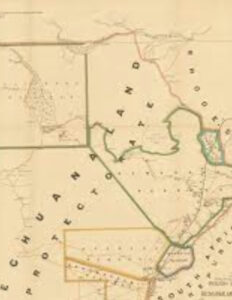
The Bechuanaland Protectorate was characterized by indirect rule, wherein the British authorities largely respected the existing political structures and traditional leadership of the Tswana communities. Tribal chiefs, known as dikgosi, retained their positions of authority and acted as intermediaries between the local population and the colonial administration. The colonial period brought both positive and negative impacts to Botswana. On one hand, the British presence contributed to the establishment of law and order, the development of infrastructure such as roads and schools, and improvements in healthcare. Missionaries also played a role in introducing Western education and Christianity to the region.
On the other hand, the colonial period also brought challenges and disruptions. European settlers and the expansion of commercial agriculture encroached upon traditional lands, leading to conflicts over resources and land rights. Additionally, the introduction of Western economic systems and labor practices, such as migrant labor in South African mines, had profound effects on the socio-economic fabric of Botswana. Nevertheless, the Bechuanaland Protectorate maintained a certain level of political stability compared to many other African colonies. This stability was largely attributed to the cooperation between the Tswana chiefs and the British colonial administration.
The period of British colonial rule in Botswana laid the groundwork for the nation's future independence and democratic governance. It provided a relatively stable environment that allowed Botswana to transition into a sovereign nation and embark on a path of self-determination and development.
Independence and the Birth of Botswana:
The journey towards independence for Botswana began in the 1960s as the political consciousness of the local population grew and demands for self-governance intensified. This period witnessed the emergence of political parties and leaders who played instrumental roles in shaping the future of the country. In 1962, the Bechuanaland Democratic Party (BDP) was founded as the first political party in the Bechuanaland Protectorate. The BDP, led by Sir Seretse Khama, sought self-government and eventual independence for Botswana. Khama, a highly respected and influential figure, was a paramount chief of the Bangwato and had spent many years studying in the United Kingdom.
The BDP gained widespread support among the population, particularly among the Tswana communities, who saw it as a vehicle for achieving political empowerment and self-determination. The party advocated for the preservation of traditional values and the incorporation of democratic principles within Tswana society. Negotiations between the British colonial authorities and the BDP culminated in the adoption of a new constitution in 1965, providing for greater self-government and internal autonomy. Elections were held in March 1965, and the BDP won a significant majority, further cementing its position as the leading political force in the country.
On September 30, 1966, Botswana gained full independence from British colonial rule, marking the birth of the modern nation-state. Sir Seretse Khama became the country's first president, and the BDP formed the government. The transition to independence was peaceful and marked by a spirit of reconciliation and nation-building. Botswana's independence was significant, as it achieved sovereignty without resorting to armed struggle or experiencing the turmoil and conflicts that characterized the decolonization process in many other African nations. The peaceful nature of independence allowed for a smooth transition of power and laid the foundation for stability and democracy in Botswana.
Under President Seretse Khama's leadership, Botswana pursued a policy of democracy, good governance, and economic development. The government prioritized education, healthcare, and infrastructure development, investing in human capital and creating opportunities for social mobility. This focus on human development and nation-building contributed to Botswana's remarkable progress in the following decades. Another critical aspect of Botswana's post-independence success was the prudent management of its mineral wealth, particularly diamond resources. The country established the Debswana Diamond Company, a joint venture between the government and De Beers, to oversee the diamond mining industry. Revenue from diamond exports was reinvested in social programs, education, and infrastructure, fostering economic growth and reducing poverty.
Botswana's commitment to democracy and good governance has been demonstrated through regular free and fair elections, respect for the rule of law, and the protection of civil liberties. The country has maintained political stability and peaceful transitions of power, setting it apart as a beacon of democracy in Africa.
In conclusion, the independence and birth of Botswana as a sovereign nation marked a significant turning point in its history. The peaceful transition, under the leadership of President Seretse Khama and the Bechuanaland Democratic Party, laid the foundation for Botswana's subsequent achievements in democratic governance, economic growth, and social development.